
How Myofascial Release Supports Daily Mobility
advertisement
Myofascial release offers a direct, non-invasive method to restore soft tissue elasticity, easing persistent tightness and helping you move with effortless freedom throughout your day.
Chronic stiffness often stems not from muscles alone, but from the dense network of connective tissue surrounding them.
Daily habits like prolonged desk sitting, repetitive motion, or intense training alter how this tissue slides and glides.
Key Takeaways
- Understanding fascia as a dynamic, fluid-filled tissue network crucial for daily movement.
- Practical benefits of myofascial release for improving posture, mobility, and recovery.
- Daily at-home techniques using targeted foam rolling and massage balls.
- Safety considerations and best practices to optimize soft tissue health long-term.
What Is Myofascial Release and How Does It Function?
Fascia is an uninterrupted, three-dimensional web of connective tissue wrapping around muscles, bones, nerves, and organs.
advertisement
Healthy fascia remains pliable, hydrated, and capable of sliding smoothly during movement.
When mechanical stress, inflammation, or postural strain occurs, fascia bound together forms dense adhesions. These restricted areas limit range of motion and alter natural body mechanics.
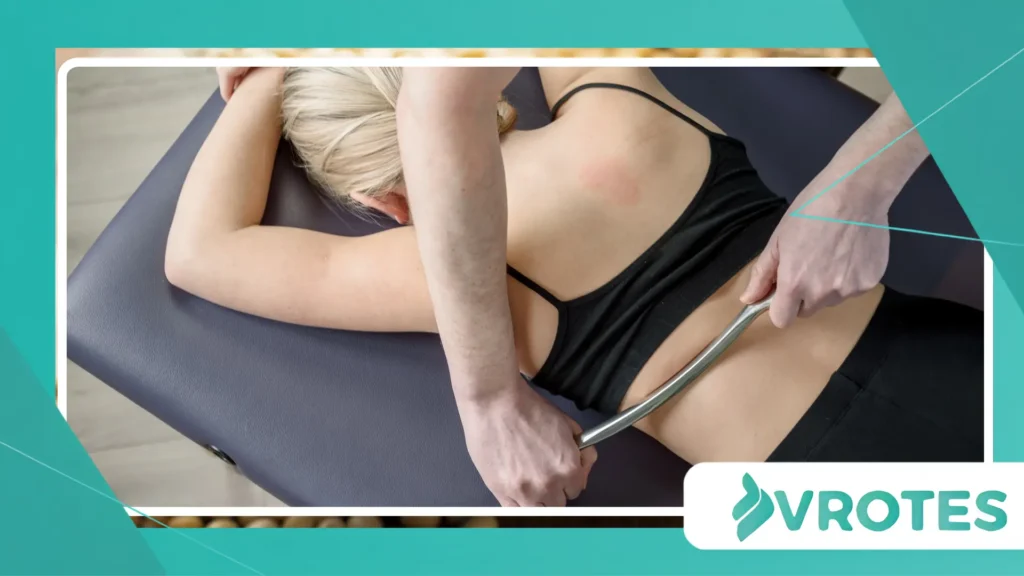
Myofascial release targets these restricted zones through sustained, low-load pressure. Instead of forcefully rubbing a tight spot, this therapeutic approach works with the body’s neuroreceptors.
Applying consistent pressure signals the central nervous system to tone down muscular tension.
Concurrently, physical compression encourages fluid movement within the extracellular matrix, restoring slide and glide to stuck tissue layers.

Physical therapists, massage practitioners, and everyday individuals utilize two distinct formats:
- Manual Therapy: A trained practitioner applies hands-on, sustained pressure to detect and resolve deep fascial restrictions.
- Self-Myofascial Release (SMR): Individuals use portable tools like foam rollers, massage balls, or percussion devices to apply targeted pressure independently.
Why Is Fascial Health Vital for Everyday Mobility?
Unrestricted mobility relies heavily on the health of your fascial system. When fascia loses elasticity, daily movements demand significantly more energy.
Over time, localized tightness cascades throughout the body’s kinetic chain, creating compensatory movement patterns that strain adjacent joints.
Understanding how targeted pressure impacts mobility helps optimize your daily routine.
| Objective | Primary Mechanism | Recommended Tool | Application Time |
| Desk Posture Reset | Releases thoracic spine stiffness and chest restriction | Medium Foam Roller | 60–90 seconds per area |
| Lower Back Relief | Decompress gluteal and hip flexor tissue | Lacrosse or Massage Ball | 30–60 seconds per point |
| Foot & Ankle Agility | Stimulates plantar fascia receptors for better gait | Small Firm Ball | 1–2 minutes per foot |
| Post-Workout Recovery | Encourages lymphatic drainage and reduces soreness | High-Density Roller | 90 seconds per muscle group |
How Does Myofascial Release Transform Daily Movement?
Integrating targeted tissue release into your daily schedule yields wide-ranging functional benefits.
++ How Sauna Recovery Supports Hormonal Wellness
Rather than focusing solely on isolated muscle groups, working on fascial lines improves systemic movement patterns.
Restoring Natural Joint Range of Motion
Tight fascia acts like a restrictive band around joints, limiting full extension and flexion.
Applying pressure to restricted areas increases local blood circulation and temporary tissue pliability.
Research published by the National Institutes of Healthhighlights how myofascial interventions positively influence joint flexibility and vascular function without compromising muscle strength.
Decreasing Daily Muscle Discomfort
Sustained micro-trauma from poor posture generates trigger points—hyperirritable spots in skeletal muscle fascia.
Trigger points frequently refer pain to surrounding regions, leading many to misidentify the true source of discomfort.
Releasing these trigger points reduces localized sensitivity and calms the sympathetic nervous system, lowering overall stress levels.

Enhancing Body Awareness and Coordination
Fascia contains six times more sensory nerve endings than muscle tissue, making it a powerful sensory organ.
Decompressing stuck tissue layers rejuvenates proprioception—your brain’s ability to sense body position in space.
Read more: Why Co-Regulation Is Essential for Emotional Healing
Sharper proprioception directly translates to smoother movement, superior balance, and reduced fall risks during functional activities.
How Can You Perform Self-Myofascial Release at Home Safely?
You do not need expensive clinical equipment to maintain smooth fascial glide. A standard high-density foam roller and a firm massage ball provide all the force necessary to work on core body zones.
Releasing Tight Upper Back and Shoulders
Sitting at a computer naturally pulls shoulders forward and stiffens the upper back.
Lay back over a foam roller positioned horizontally across your mid-back.
Interlace fingers behind your head to support your neck, keeping knees bent and feet flat on the floor.
Slowly roll from the mid-back up to the top of the shoulder blades, pausing over tender spots.
++ How Menopause Facial Flushing Differs From Rosacea
Keep breathing deeply, allowing your thoracic spine to melt over the roller without arching your lower back forcefully.
Unlocking Stiff Hips and Glutes
Sedentary work routines shorten hip flexors and create gluteal amnesia, impacting your walking stride and lower back support.
Sit on a foam roller or massage ball, leaning gently toward your right glute.
Cross your right ankle over your left knee to open the hip.
Roll slowly back and forth over the gluteal tissue, searching for sensitive areas.
Pause on tense locations for 30 seconds while taking slow, deep abdominal breaths.
Revitalizing Tired Plantar Fascia
Foot health dictates ankle, knee, and hip alignment. Restoring pliability to the bottom of the foot sets a stable foundation for walking and standing.
Place a small massage ball underneath the arch of your foot while standing or sitting.
Apply moderate, comfortable downward weight.
Slowly roll the ball from the base of the heel forward toward the ball of the foot.
Pause and curl your toes over the ball on tight spots to stretch the deep foot structures.
What Are the Most Common Mistakes to Avoid?
Effective tissue work requires precision rather than excessive brute force. Pushing too hard triggers protective muscle guarding, defeating the goal of systemic relaxation.
Rolling directly over bony prominences: Avoid rolling directly over knees, hip bones, or the lower back’s lumbar spine.
Moving too fast: Rapid back-and-forth rolling stimulates the nervous system instead of relaxing fascial tension.
Applying excessive pain: Working at an intensity higher than a comfortable 6 out of 10 causes systemic stress.
Ignoring hydration: Fascial elasticity depends heavily on bound water molecules; drink sufficient fluids daily.
For deeper insights into safe physical recovery practices, explore guidance provided by the Mayo Clinic on staying active and managing musculoskeletal health effectively.
Frequently Asked Questions
How often should you perform myofascial release?
Consistency yields better results than duration. Spending 5 to 10 minutes daily on high-tension areas delivers far greater mobility gains than a single 60-minute session once a week.
Is myofascial release suitable for everyone?
Most healthy adults benefit from gentle self-release. However, individuals with severe osteoporosis, deep vein thrombosis, open wounds, or active infections must consult a medical professional before starting SMR practices.
What is the difference between static stretching and myofascial release?
Static stretching lengthens muscles end-to-end, whereas myofascial release breaks up localized tissue adhesions and restores fluid dynamics within the connective tissue network itself.
Combining both methods yields the highest improvements in joint range of motion.
Consistently addressing fascial tension provides a direct pathway toward effortless, pain-free daily movement.
By integrating simple, targeted release routines into your day, you give your body the structural support, fluid glide, and resilience required for long-term health.
++ How Myofascial Release Enhances Flexibility and Body Wellness
++ Myofascial Release: Relieving Pain and Restoring Mobility