
Wie Körpergewichtsübungen die Kraft nach dem 50. Lebensjahr unterstützen
Werbung
Körpergewichtstraining ist weit mehr als eine Notlösung für diejenigen, die das Fitnessstudio meiden; im Jahr 2026 ist es die anspruchsvolle Wahl, um sich einen Körper zurückzuerobern, der sich leistungsfähig anfühlt und nicht nur “erhalten”.”
Die Schwerkraft bietet eine unerbittliche, ehrliche Form des Widerstands, die, richtig eingesetzt, die spezifischen physiologischen Wechselfälle des mittleren Alters ohne die strukturelle Belastung durch externes Eisen angeht.

Zusammenfassung
- Die Biologie der Erneuerung: Warum Muskelverlust kein unvermeidlicher Niedergang ist.
- Strukturelle Anmut: Wie Calisthenics die Langlebigkeit der Gelenke gegenüber dem reinen Muskelaufbau priorisieren.
- Skelettintegrität: Das mechanische Signal, das die Knochendichte aufrechterhält.
- Stoffwechselveränderungen: Nutzung von Verbundbewegungen zur Steigerung der Insulinsensitivität.
- Die fünf wichtigsten: Essenzielle Muster für einen widerstandsfähigen, autarken Körper.
Wie sieht die Realität bei Sarkopenie und Muskelregeneration aus?
Der Ausdruck “altersbedingter Abbau” hat etwas leicht Beunruhigendes an sich, als ob unsere Muskeln ein Verfallsdatum hätten, gegen das wir nichts ausrichten könnten.
Sarkopenie – der allmähliche Verlust von Skelettmuskulatur – schreitet nach dem 50. Lebensjahr tendenziell schneller voran, ist aber kein unausweichliches Schicksal. Oft ist sie lediglich die Reaktion des Körpers auf mangelnde körperliche Belastung.
Die moderne Physiologie legt nahe, dass das Geheimnis in der Aktivierung von Satellitenzellen liegt. Diese “Reservezellen” sind die Architekten der Muskelreparatur.
Werbung
Indem Sie Ihre eigene Körpermasse als primäre Last nutzen, regen Sie diese Zellen durch hochspannende Bewegungen an, die sich für das Nervensystem natürlich anfühlen, und vermeiden so die roboterhaften, isolierten Bewegungsmuster von Krafttrainingsgeräten.
Wie schützt Körpergewichtstraining alternde Gelenke?
Bei herkömmlichen Methoden des schweren Hebens wird der Körper oft wie eine Ansammlung von Hebeln behandelt, die belastet werden müssen, manchmal auf Kosten der Gelenke.
Calisthenics hingegen nutzt Bewegungen in geschlossener kinetischer Kette. Wenn Hände oder Füße auf einer stabilen Oberfläche fixiert sind – wie beispielsweise dem Boden bei Liegestützen –, findet das Gelenk seinen eigenen Weg des geringsten Widerstands.
Diese Übungsanordnung fördert eine Stabilität, die beim Training mit freien Gewichten oft fehlt. Anstatt die Muskeln nur zu überlasten, werden Sehnen und Bänder trainiert, die Kraft aufzunehmen und zu verteilen.
Es geht um einen Wandel von bloßem Aufbau von “demonstrativer” Kraft hin zur Entwicklung einer zusammenhängenden, schmerzfreien Struktur, die dem Druck der realen Welt standhält.
Warum ist funktionelle Kraft die ultimative Währung für ein langes Leben?
Oftmals besteht ein Unterschied zwischen Kraft im Fitnessstudio und Stärke im Alltag. Wer einen schweren Schlitten mit den Beinen stemmen kann, ist nicht automatisch in der Lage, sich bei einem Ausrutscher auf einem vereisten Gehweg abzufangen.
Wahre Langlebigkeit basiert auf Propriozeption – dem Bewusstsein des Gehirns dafür, wo sich der Körper im Raum befindet.
Das Durchlaufen des vollen, ungestützten Bewegungsumfangs zwingt die kleinen Stabilisierungsmuskeln zur Aktivierung. Sie sind die unbesungenen Helden des Gleichgewichts.
++ Wie Bewegungspausen die Energie von Frauen in den Wechseljahren steigern
Wer sein eigenes Gewicht im Griff hat, baut nicht nur einen muskulösen Körper auf, sondern verfeinert auch einen Überlebensmechanismus, der ihn über Jahrzehnte aufrecht und agil hält.
Welche Hormonveränderungen reagieren am besten auf Resistenzen?
Das endokrine System kann sich nach dem fünfzigsten Lebensjahr wie ein schwächer werdendes Signal anfühlen, wobei der Wachstumshormon- und Androgenspiegel sinkt.
Während viele auf externe Nahrungsergänzungsmittel zurückgreifen, findet sich die wirksamste Apotheke oft im Muskelgewebe selbst.
Die Ausführung komplexer, mehrgelenkiger Bewegungen signalisiert dem Gehirn die Freisetzung einer Kaskade von regenerativen Hormonen.
Hier geht es nicht nur um die Größe des Bizeps, sondern auch um die Stoffwechselgesundheit. Laut Nationales Institut für Alternsforschung, Konsequentes Krafttraining ist eine wichtige Maßnahme zur Vorbeugung der chronischen Stoffwechselträgheit, die häufig die späteren Lebensjahre kennzeichnet.
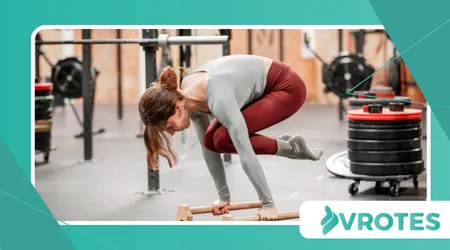
Welche Bewegungen sind für einen widerstandsfähigen Rahmen unerlässlich?
Einfachheit wird oft fälschlicherweise mit Oberflächlichkeit gleichgesetzt. Die effektivsten Bewegungen sind jene, die unsere Fähigkeit herausfordern, unseren Körperschwerpunkt im Raum zu verlagern. Diese Bewegungsmuster bilden das Fundament eines Körpers, der funktionsfähig bleibt.
Mehr lesen: Warum Mobilitätsübungen ab 50 Jahren wichtiger werden
| Bewegungsmuster | Das “Warum” | Der Fortschritt |
| Schräge Liegestütze | Erhält die Schubkraft ohne Schulterimpingement. | Die Neigung mit der Zeit verringern. |
| Die Gesäßbrücke | Wirkt den Schäden durch langes Sitzen entgegen. | Wechseln Sie zu einbeinigen Haltegriffen. |
| Der tote Käfer | Lehrt die Rumpfmuskulatur, die Wirbelsäule zu stabilisieren. | Vergrößerung der Gliedmaßenstreckung. |
| Die Box-Kniebeuge | Erzeugt die für unabhängige Mobilität notwendige Energie. | Entfernen Sie die Box, um die volle Tiefe zu erreichen. |
| Das Skapulierhängen | Stellt die Griffkraft und die Schultergesundheit wieder her. | Aktive Hänger für 30 Sekunden |
Wie beeinflusst mechanische Belastung die Knochendichte?
Osteoporose ist ein heimtückischer Feind, der oft erst bemerkt wird, wenn es zu einem Knochenbruch kommt. Knochen sind lebendes Gewebe, das wie Muskeln auf Belastung reagiert.
Wenn Sie eine Kniebeuge oder einen Plank ausführen, erzeugt die mechanische Spannung einen “piezoelektrischen Effekt”, der dem Körper signalisiert, Mineralien in die Knochenmatrix einzulagern.
Deshalb ist gewichtsbelastendes Training unerlässlich. Es geht um mehr als nur darum, eine Verletzung zu vermeiden; es geht darum, ein dichtes und widerstandsfähiges Skelettsystem zu schaffen.
++ Der Aufstieg der regenerativen Landwirtschaft und ihre Auswirkungen auf die Ernährung
Durch die Fokussierung auf Hüfte und Wirbelsäule wird sichergestellt, dass die Bereiche, die am anfälligsten für altersbedingte Ausdünnung sind, den Belastungen eines aktiven Lebens standhalten.
Wann ist der richtige Zeitpunkt, um anzufangen?
Der beste Zeitpunkt, damit anzufangen, war wahrscheinlich vor zwanzig Jahren, aber der zweitbeste ist heute Nachmittag. Der Körper bleibt bis ins achte und neunte Lebensjahrzehnt erstaunlich beweglich. Entscheidend ist nicht die Intensität, sondern die unermüdliche Kontinuität der Bewegung.
Konzentriere dich zunächst auf die Atmung und die korrekte Ausrichtung des Beckens. Wenn du deinen Körper kontrolliert bewegen kannst, hast du dir das Recht verdient, komplexere Übungen hinzuzufügen.
Dieser geduldige, methodische Aufbau stellt sicher, dass Sie nicht nur für eine Saison stärker werden, sondern Ihre körperliche Ausgangslage für die lange Zeit neu kalibrieren.

Abschließende Gedanken
Sich verlassen auf Körpergewichtstraining Ein zentrales Instrument der Stärke ist die Erklärung der Autonomie. Sie erkennt an, dass wir zwar die Zeit nicht anhalten können, aber sehr wohl entscheiden können, wie wir unsere Zeit nutzen.
Indem man der Bewegungsqualität Vorrang vor äußeren Zahlen gibt, formt man einen Körper, der nicht nur “für sein Alter fit” ist, sondern nach jedem Maßstab wirklich kraftvoll.
Wahre Vitalität nach dem fünfzigsten Lebensjahr bedeutet nicht, der Jugend hinterherzujagen, sondern die Weisheit des Körpers zu verfeinern.
Für tiefergehende Einblicke in das Management der langfristigen muskuloskelettalen Gesundheit stehen die klinischen Ressourcen am Gesundes Altern (Mayo-Klinik) Das Zentrum liefert essenzielle Daten für alle, die sich einer leistungsstarken Zukunft verschrieben haben.
Häufig gestellte Fragen
Kann ich Muskeln aufbauen, wenn ich noch nie Sport getrieben habe?
Absolut. Der “Anfängereffekt” ist unabhängig vom Alter real. Ihr Körper wird wahrscheinlich recht schnell auf neue Reize reagieren, vorausgesetzt, Sie gönnen ihm zwischen den Trainingseinheiten ausreichend Erholung.
Woran merke ich, ob ich zu viel Druck ausübe?
Achten Sie auf die Gelenke, nicht nur auf die Muskeln. Brennen in den Muskeln ist ein Zeichen von Anstrengung; stechende oder knackende Schmerzen in einem Gelenk signalisieren, dass Sie Ihre Haltung anpassen oder den Bewegungsumfang reduzieren sollten.
Verläuft die Genesung nach dem fünfzigsten Lebensjahr langsamer?
Im Allgemeinen ja. Die Entzündungsreaktion braucht etwas länger, um abzuklingen. Achten Sie auf ausreichend Schlaf und eine ausreichende Proteinzufuhr, damit Ihre drei wöchentlichen Trainingseinheiten zu Fortschritten und nicht zu einem Burnout führen.
Benötige ich einen Trainer für Körpergewichtsübungen?
Auch wenn es nicht unbedingt notwendig ist, können ein oder zwei Sitzungen mit einem Bewegungsspezialisten dabei helfen, subtile Kompensationsmechanismen in Ihrer Haltung zu erkennen, die später zu Problemen führen könnten.
++ Über 50? Dieses 20-minütige Körpergewichts-Workout kann gesundes Altern unterstützen.