
Die kulinarische Chemie hinter Geschmacks- und Nährstofferhalt
Werbung
Der Kulinarische Chemie hinter Geschmacks- und Nährstofferhalt Es geht weniger darum, einem starren Rezept zu folgen, sondern vielmehr darum, eine Reihe heikler molekularer Umwandlungen zu orchestrieren.
Wenn wir Rohzutaten Hitze zuführen, erhitzen wir sie nicht einfach nur; wir bewegen uns in einem komplexen Gefüge denaturierter Proteine und sich verändernder Zellstrukturen.
Zusammenfassung
- Die kinetische Energie von Wärme und Molekülverschiebungen.
- Die Maillard-Reaktion im Vergleich zum enzymatischen Verlust entschlüsseln.
- Strategische Erhaltung wasserlöslicher und fettlöslicher Verbindungen.
- pH-Werte als Instrument zur Steuerung von Textur und Pigmentierung.
- Kritische Daten: Wie sich unterschiedliche Methoden auf den biologischen Wert auswirken.
Was ist der Kernmechanismus der kulinarischen Chemie?
Kochen ist im Wesentlichen ein Energietransfer, der Makronährstoffe wie Proteine und Lipide dazu zwingt, ihren natürlichen Zustand aufzugeben und sich in etwas Schmackhaftes umzuwandeln.
Durch die Hitzeeinwirkung wird die Proteindenaturierung ausgelöst, bei der sich eng aufgewickelte Ketten entfalten und neue Bindungen bilden – ein Vorgang, der grundlegend darüber entscheidet, ob ein Steak zart oder gummiartig ist.
Die Stärkeverkleisterung folgt einer anderen Logik; die Stärkekörner absorbieren Feuchtigkeit, bis sie aufquellen und platzen, wodurch das seidige, zusammenhängende Mundgefühl entsteht, das wir von einer perfekt reduzierten Sauce erwarten.
Werbung
Die Kontrolle dieser Temperaturschwellenwerte ist von entscheidender Bedeutung, denn oft entscheiden wenige Grad über den Unterschied zwischen einem fruchtigen, antioxidantienreichen Gemüse und einem faden, nährstoffarmen Haufen Ballaststoffe.
Wie beeinflusst Hitze den Nährstofferhalt in Gemüse?
Es ist ein weit verbreiteter Irrglaube, dass Hitze generell schädlich sei, doch die Stabilität der Vitamine C und B-Komplex ist bekanntermaßen unter anhaltender Hitzebelastung äußerst fragil.
Das Dämpfen wirkt als Schutzbarriere und verhindert das aggressive Auslaugen wasserlöslicher Nährstoffe in eine Kochflüssigkeit, die normalerweise im Abfluss landet.
Kochen ist zwar traditionell, dient aber oft als Nährstoffentzug; Mineralien und bioaktive Verbindungen wandern ins Wasser, wodurch das Gemüse zwar strukturell intakt bleibt, aber chemisch hohl wird.
Kurzes Anbraten oder Pfannenrühren kann jedoch überraschend vorteilhaft sein, da der kurze Hitzeschub die zähen Zellwände aufbricht und so die Carotinoide für unser Verdauungssystem besser zugänglich macht.
Warum verändert die Maillard-Reaktion das Geschmacksprofil?
Die Maillard-Reaktion ist der “Heilige Gral” der Bräunung und tritt auf, wenn Aminosäuren und reduzierende Zucker bei Temperaturen von typischerweise über 140 °C (285 °F) aufeinandertreffen.
Hierbei geht es nicht nur um die Farbe; es entsteht eine Kaskade von Hunderten aromatischer Verbindungen, die die tiefe, herzhafte Komplexität erzeugen, die man beispielsweise in geröstetem Kaffee oder knusprigem Brot findet.
Hierbei besteht eine subtile Gefahr, da eine zu starke Ausweitung dieser Reaktion Acrylamid erzeugt. Dies erinnert uns daran, dass die Geschmacksentwicklung ein diszipliniertes Vorgehen erfordert, um gesundheitlich unbedenklich zu bleiben.
++ Der Aufstieg der regenerativen Landwirtschaft und ihre Auswirkungen auf die Ernährung
Die Beherrschung der Kulinarische Chemie hinter Geschmacks- und Nährstofferhalt Es geht darum, genau den richtigen Zeitpunkt zu treffen, an dem der Geschmack seinen Höhepunkt erreicht, bevor die Nährwertqualität rapide abnimmt.
Welche Kochmethoden erhalten die Antioxidantien am besten?
Die heutige Ernährungswissenschaft bevorzugt “schnelle und trockene” oder geschlossene Umgebungen, die die Oxidation minimieren, die auftritt, wenn empfindliche Pflanzenpigmente auf offene Luft und Wärme treffen.
Das Sous-vide-Garen ist besonders faszinierend, weil durch das Vakuum das Entweichen flüchtiger Aromastoffe verhindert wird, wodurch sichergestellt wird, dass die natürliche Essenz der Lebensmittel konzentriert und nicht durch Wasser verdünnt wird.
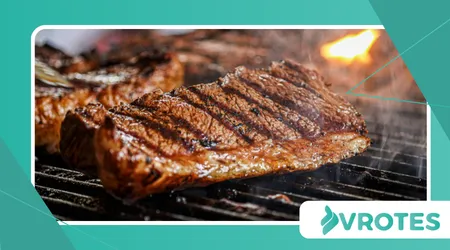
Das Grillen bietet durch die Karbonisierung einen unvergleichlichen sensorischen Reiz, erfordert aber den Einsatz von Säure – man denke an Zitrusmarinaden –, um die Bildung krebserregender heterozyklischer Amine während des Prozesses zu verhindern.
Wie von der Harvard T.H. Chan School of Public Health, Das Ziel ist nicht immer, Rohkost zu essen, sondern intelligent genug zu kochen, um verborgene Nährstoffe freizusetzen.
Welchen Einfluss hat der pH-Wert auf die Textur und Farbe von Lebensmitteln?
Der Säure- oder Basengehalt Ihrer Kochflüssigkeit wirkt wie ein stiller Chemiker, der entweder die Farbstoffe stabilisiert oder zersetzt, die die ernährungsphysiologische Frische eines Lebensmittels signalisieren.
Ein Spritzer Zitronensaft im kochenden Wasser sorgt dafür, dass Blumenkohl weiß und Rotkohl leuchtend weiß bleiben, indem er die Anthocyane vor der stumpfmachenden Wirkung von neutralem oder alkalischem Leitungswasser schützt.
Umgekehrt kann die Zugabe von Natron zu Bohnen zwar die Erweichung der Hemicellulose beschleunigen, schafft aber ein aggressives Milieu, das die empfindlichen Thiamin- und B-Vitamine effektiv zerstört.
Mehr lesenWarum Portionsgrößen weltweit unterschiedlich sind – und was wir daraus lernen können
In Profiküchen werden diese pH-Wert-Verschiebungen als Hebel genutzt, um die Molekularstruktur so zu manipulieren, dass die Texturen knackig bleiben, während die Farben auf dem Teller intensiv leuchtend bleiben.
Wie lassen sich Geschmack und Nährstofferhalt in Einklang bringen?
Wahre Expertise besteht darin, den “Kipppunkt” zu erkennen, an dem das Streben nach einer bestimmten Textur beginnt, den eigentlichen biologischen Nutzen des Lebensmittels für den Körper zu beeinträchtigen.
Durch die Nutzung der Nachgarzeit – bei der die Restwärme den Garprozess vollendet – wird verhindert, dass die äußeren Schichten eines Proteins übergaren, während das Innere eine sichere, saftige Temperatur erreicht.
Wir müssen auch die Rolle der Fette berücksichtigen; bestimmte Vitamine wie A, D, E und K sind für uns im Wesentlichen nutzlos ohne einen Lipidträger zur Aufnahme.
++ Wie gemeinsames Singen die emotionale Synchronität fördert
Indem man die Kulinarische Chemie hinter Geschmacks- und Nährstofferhalt, Wir hören auf, bloße Kalorienkonsumenten zu sein, und werden zu Kuratoren einer anspruchsvolleren, bioverfügbaren Ernährung.
Vergleichende Analyse: Einfluss des Kochens auf die Nährstoffe
| Kochmethode | Vitamin-C-Speicherung | Verfügbarkeit von Antioxidantien | Geschmacksintensität | Empfohlen für |
| Dampf | Hoch (90%) | Hoch | Medium | Blattgemüse, Fisch |
| Mikrowelle | Hoch (85%) | Hoch | Niedrig | Tiefkühlgemüse |
| Pfannengerichte | Mittel (70%) | Erhöht | Hoch | Faserwurzeln |
| Kochen | Niedrig (40%) | Niedrig | Medium | Hülsenfrüchte für Suppen |
| Braten | Mittel (60%) | Medium | Sehr hoch | Knollen, Proteine |
Wann sollte man Schnellkochen zur Nährstoffgewinnung nutzen?
Druckkochen wird oft zu Unrecht verteufelt, dabei ist es eine der effizientesten Methoden, um Antinährstoffe wie Lektine zu neutralisieren und gleichzeitig die Hitzeeinwirkung kurz zu halten.
Da der Siedepunkt künstlich erhöht wird, verkürzt sich die Kochzeit erheblich, was paradoxerweise hitzeempfindliche Vitamine schützt, die sonst bei langem, langsamem Köcheln verloren gehen würden.
Durch die abgeschlossene Umgebung werden alle flüchtigen Moleküle eingeschlossen, wodurch die Aromen in die Fasern der Lebensmittel zurückgeführt werden und weit weniger Salz benötigt wird, um ein intensives Geschmacksprofil zu erzielen.
Diese Methode demokratisiert effektiv die Kulinarische Chemie hinter Geschmacks- und Nährstofferhalt, so wird eine optimale Nährstoffversorgung auch unter den Bedingungen eines hektischen, modernen Lebensstils ermöglicht.
Welche Rolle spielt die Wasseraktivität für den Geschmack? Kulinarische Chemie hinter Geschmack und Nährstofferhalt.
Die Wasseraktivität ($a_w$) ist der stille Messwert, der darüber entscheidet, ob Ihr Lebensmittel beim Anbraten bei hoher Hitze eine schöne Bräune bekommt oder einfach nur im eigenen Saft gart.
Die Entfernung der Oberflächenfeuchtigkeit durch Lufttrocknung oder Einlegen in Salzlake ist ein unabdingbarer Schritt für jeden, der die Maillard-Reaktion auslösen möchte, ohne das empfindliche Innere zu übergaren.
Wird das Oberflächenwasser minimiert, fließt die Energie der Pfanne direkt in die Aromasynthese, anstatt durch den energieintensiven Verdunstungsprozess verschwendet zu werden.
Abschließende Betrachtungen
Die Verbindung von Wissenschaft und Küche birgt das Potenzial für tiefgreifende Veränderungen im Gesundheitswesen. Wir lernen, dass “gesund” nicht gleichbedeutend mit “fad” sein muss und dass “gourmet” nicht “wertlos” bedeuten sollte.”
Indem wir die chemischen Grundlagen unserer Mahlzeiten verstehen, gehen wir über die Einfachheit von Rezepten hinaus und erlangen eine meisterhafte Beherrschung der Zutaten.
Im Jahr 2026 werden die erfolgreichsten Köche diejenigen sein, die den Herd als Labor betrachten und dafür sorgen, dass jeder servierte Teller ein Triumph sowohl des sinnlichen Genusses als auch der zellulären Energie ist.
Umfassende Daten darüber, wie die thermische Verarbeitung die Bioverfügbarkeit von Phytochemikalien verändert, finden Sie in der [Referenz einfügen]. Nationale Gesundheitsinstitute (NIH).
Häufig gestellte Fragen
Ist das Erhitzen in der Mikrowelle tatsächlich unbedenklich für Vitamine?
Ja, weil es unglaublich schnell geht und nur minimal Wasser verbraucht, bleiben oft mehr Nährstoffe erhalten als bei herkömmlichen Zubereitungsmethoden auf dem Herd, bei denen die Lebensmittel länger dem Sauerstoff ausgesetzt sind.
Warum sehen meine Gemüse nach dem Kochen grau aus?
Hierbei handelt es sich um eine chemische Verschiebung, bei der das Magnesium im Chlorophyll durch Wasserstoff ersetzt wird; dies ist ein Zeichen für Übersäuerung oder übermäßige Hitzeeinwirkung.
Soll ich das zum Dämpfen verwendete Wasser wegschütten?
Falls Flüssigkeit übrig bleibt, bewahren Sie diese auf. Sie enthält ausgelaugte Nährstoffe und kann zum Ablöschen einer Pfanne oder als Grundlage für eine schmackhafte Getreidebasis verwendet werden.
Werden durch das Anbraten die Säfte “eingeschlossen”?
Dies ist ein hartnäckiger kulinarischer Mythos. Anbraten erzeugt zwar Geschmack durch die Maillard-Reaktion, aber es entsteht keine wasserdichte Versiegelung; die Temperaturkontrolle sorgt dafür, dass das Fleisch saftig bleibt.
Kann Salz Nährstoffe zerstören?
Salz ist im Allgemeinen hinsichtlich des Vitamingehalts neutral, verändert jedoch den osmotischen Druck, was die Effektivität der Aromaextraktion aus den Zellen der Lebensmittel beeinflussen kann.
++ Kochen & Nährstofferhalt – So holen Sie das Beste aus Ihren Mahlzeiten heraus
++ Aromaerhalt und -freisetzung aus Getränken: Eine kinetische und thermodynamische Betrachtung