
Beneficios de la cáscara de psyllium: lo que debes saber antes de tomarla a diario.
anuncio
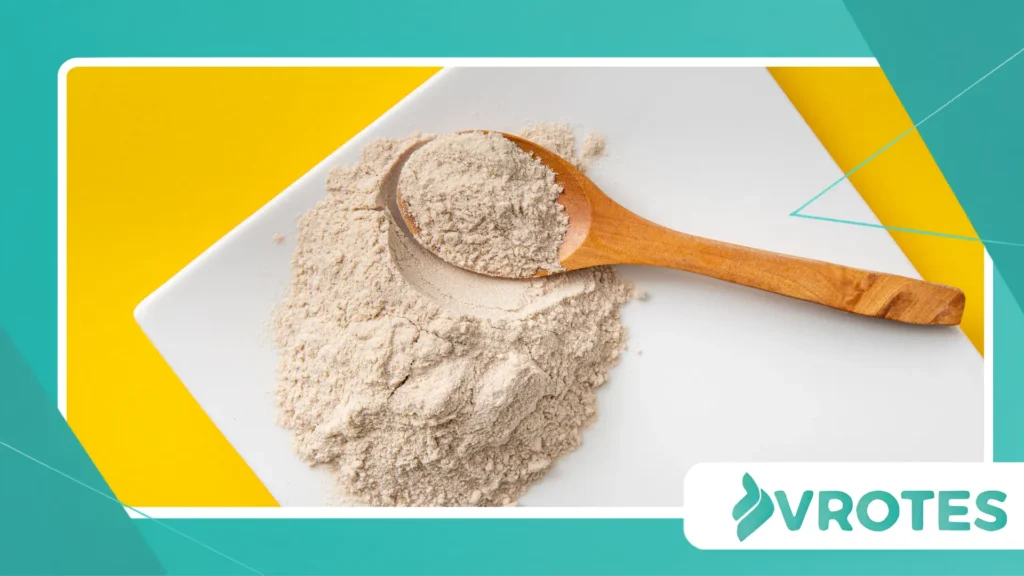
Psyllium husk benefits range from supporting daily digestion to promoting cardiovascular health, making this soluble fiber one of the most widely used dietary supplements in the United States.
Derived from the seeds of the Plantago ovata plant, psyllium absorbs water in your gut to form a gel-like substance that keeps your digestive system running smoothly.
Whether you are looking to relieve constipation, manage cholesterol, or support stable blood sugar levels, incorporating psyllium husk into your daily routine offers well-documented physical advantages.
Understanding how psyllium operates inside the body, the correct dosage guidelines, and potential side effects ensures you reap these health advantages while minimizing unwanted digestive discomfort.
Conclusiones clave
- Digestive Harmony: Psyllium husk acts as a bulk-forming laxative that normalizes bowel movements by softening hard stool in constipation and adding bulk to loose stool in diarrhea.
- Cardiovascular and Metabolic Support: Regular intake helps lower LDL cholesterol levels and aids in regulating blood sugar spikes after meals.
- Hydration is Crucial: Because psyllium absorbs liquid rapidly, drinking plenty of fluid throughout the day is essential to prevent intestinal blockages and severe cramping.
- Gradual Integration: Starting with a low dose and slowly increasing it over several weeks helps avoid initial bloating, gas, and abdominal discomfort.
How Psyllium Husk Works in the Human Digestive System
Psyllium husk is predominantly composed of soluble fiber, specifically non-starch polysaccharides that resist digestion in the human small intestine.
anuncio
As psyllium passes through the gastrointestinal tract, its unique molecular structure allows it to absorb large amounts of water, swelling into a thick, mucilaginous gel.
This gel mechanism distinguishes psyllium from insoluble fibers like wheat bran, which pass through the system largely intact to physically scrub the intestinal walls.
Once transformed into a gel, psyllium performs a dual digestive role.
In cases of slow transit time or sluggish bowel movements, the added moisture and volume stimulate peristalsis—the natural wave-like muscular contractions of the intestines—allowing waste to move comfortably through the colon.
Conversely, when faced with loose stools or mild diarrhea, the gel absorbs excess free liquid within the stool, providing shape, consistency, and firmness.
This balance renders psyllium an effective, gentle option for long-term bowel regularity.
Beyond basic digestive mechanics, psyllium acts as a mild prebiotic source.
Although it ferments more slowly in the large intestine compared to other soluble fibers like inulin, it provides continuous nourishment for beneficial gut microbiota.
Slow fermentation offers a distinct metabolic advantage: it produces important short-chain fatty acids, such as butyrate, without generating the sudden, excessive intestinal gas often triggered by rapidly fermenting fiber supplements.

Key Health Benefits of Daily Psyllium Husk Supplementation
1. Promoting Regular Bowel Movements and Gut Health
Constipation affects millions of Americans each year, leading many to seek gentle, non-habit-forming solutions. Psyllium husk serves as an effective bulk-forming laxative that works naturally alongside your body’s digestive rhythms.
Unlike stimulant laxatives, which force intestinal contractions and can cause dependency or cramping over time, psyllium simply increases stool volume and water content.
This gentle bulking action reduces straining during bowel movements, providing substantial relief for individuals managing hemorrhoids, anal fissures, or irritable bowel syndrome.
++ Aperitivos ricos en fibra que realmente te mantienen saciado entre comidas.
By maintaining consistent stool consistency, daily psyllium intake helps establish predictable bowel habits while preserving overall mucosal integrity throughout the colon.
2. Supporting Heart Health and Healthy Cholesterol Levels
Managing cholesterol is a major priority for maintaining long-term cardiovascular wellness.
Soluble fiber plays a direct role in lipid management by binding to bile acids—compounds produced by the liver using cholesterol—in the small intestine.
When psyllium forms its viscous gel, it traps these bile acids and exits the body through bowel movements rather than allowing them to be reabsorbed.
To replace lost bile acids, the liver pulls circulating LDL cholesterol from the bloodstream to produce new bile.
Over time, this natural biological pathway leads to a measurable reduction in serum cholesterol levels.
Según una investigación publicada por la Institutos Nacionales de Salud, daily consumption of psyllium husk, alongside a diet low in saturated fat, significantly lowers total and LDL cholesterol without negatively altering beneficial HDL cholesterol levels.
The U.S. Food and Drug Administration recognizes this connection, permitting health claims on food labels stating that soluble fiber from psyllium husk may reduce the risk of heart disease when part of a balanced diet.
3. Blood Sugar Regulation and Metabolic Health
Maintaining steady blood glucose levels is essential for metabolic health, particularly for individuals diagnosed with prediabetes or type 2 diabetes.
When consumed alongside mealtime carbohydrate sources, psyllium husk slows down the stomach’s emptying rate and delays the absorption of glucose in the small intestine.
This delayed absorption prevents rapid spikes in blood glucose following meals, leading to more stable postprandial blood sugar readings.
Furthermore, steadying blood sugar levels reduces peak insulin demands on the pancreas.
Leer más: Cómo los amargos digestivos favorecen una digestión saludable de forma natural
Incorporating psyllium into daily meal routines helps improve glycemic control over time, making it a reliable dietary tool alongside prescribed medical interventions.
4. Satiety, Appetite Control, and Weight Management
Because psyllium husk expands significantly upon mixing with fluid, it fills volume within the stomach and upper GI tract, signaling feelings of fullness to the brain.
This enhanced sense of satiety can reduce overall calorie intake by curbing between-meal cravings and preventing overeating during main meals.
While psyllium husk is not a direct fat burner, its ability to promote satiety makes it a practical component of a sustainable weight management program.
++ Creando un círculo de confianza: Encuentra tu tribu de la menopausia
Paired with a balanced whole-food diet, psyllium helps manage hunger cues naturally, supporting healthy dietary adjustments without feeling overly restrictive.
| Benefit Area | Primary Mechanism of Action | Health Outcome | Recommended Context |
| Salud digestiva | Soluble gel formation and stool water absorption | Normalizes bowel movements, relieves constipation and diarrhea | Daily use with abundant water |
| Cholesterol Management | Binds intestinal bile acids, increasing hepatic uptake of circulating LDL | Reduces total and LDL cholesterol levels | Supplemented alongside a low-saturated-fat diet |
| Blood Sugar Control | Delays gastric emptying and slows intestinal carbohydrate absorption | Blunts post-meal glucose spikes and lowers insulin demand | Consumed immediately before or during meals |
| Weight Management | Expands in the stomach to trigger stretch receptors and satiety signals | Enhances fullness, helping reduce overall daily caloric intake | Taken 20-30 minutes before major meals |
Proper Usage, Dosage, and Administration
Starting psyllium husk requires a gradual approach to allow your digestive tract time to adapt.
For most adults, a standard starting dose is approximately 3.5 to 5 grams once per day, equivalent to one rounded teaspoon of husk powder.
Over two to three weeks, this amount can be increased incrementally to 10 to 15 grams daily, split across two or three doses, depending on individual therapeutic goals.
Mixing technique matters greatly when consuming loose psyllium husk powder.
Stir the recommended dose into a full 8-ounce glass of water, juice, or liquid of choice, and drink it immediately before the mixture thickens into a heavy gel.
Following this with a second glass of plain water ensures the supplement reaches the stomach smoothly and has enough ambient liquid to perform its bulking function properly.
Psyllium is commercially available in several easy-to-use forms:
Whole Husk: The unground outer coating of the seed, offering a coarse texture that requires swift mixing into liquids.
Fine Powder: Ground whole husk that mixes more rapidly into beverages, oatmeal, smoothies, or yogurt.
Capsules or Caplets: Convenient, taste-free options suitable for travel, though achieving higher therapeutic doses requires swallowing multiple capsules per serving.
Safety, Potential Side Effects, and Drug Interactions
While psyllium husk is generally safe for daily long-term use, introducing high amounts of fiber too quickly can cause temporary side effects.
Common initial reactions include gas, mild abdominal bloating, stomach gurgling, and temporary shifts in bowel frequency.
These symptoms usually resolve on their own as gut bacteria adjust to the increased fiber intake.
The most critical safety requirement when taking psyllium husk is adequate fluid consumption.
If taken with insufficient liquid, the dry or expanding powder can swell prematurely in the throat or esophagus, creating a physical blockage that poses a severe choking hazard.
Individuals with dysphagia, esophageal strictures, or known bowel obstructions must avoid psyllium husk supplements unless explicitly cleared by a physician.
Psyllium husk can also impact the absorption rate of certain oral medications due to its mucilaginous coating action.
Directrices detalladas de la U.S. Food and Drug Administration recommend taking oral prescriptions at least one hour before or two to three hours after consuming fiber supplements. Particular caution is recommended with:
Diabetes Medications: Combined with psyllium, blood sugar control medications may cause hypoglycemia; monitoring levels closely is advisable.
Heart and Thyroid Medications: Drugs such as digoxin, levothyroxine, or lithium may experience delayed or diminished absorption when taken concurrently with soluble fiber.
Blood Thinners: Any major dietary shift impacting nutrient absorption should be monitored alongside regular clinical testing.
Always consult a healthcare provider or registered dietitian before starting daily psyllium supplementation, especially if you manage chronic medical conditions or take daily prescription drugs.

Preguntas frecuentes
Is it safe to take psyllium husk every single day?
Yes, psyllium husk is safe for long-term daily use for most healthy individuals when taken with sufficient water.
Unlike chemical or stimulant laxatives, psyllium works mechanically without causing intestinal dependence or weakening natural bowel function.
What is the best time of day to take psyllium husk?
The ideal timing depends on your specific health goals. For blood sugar management and appetite control, take psyllium 15 to 30 minutes before major meals.
For regular morning bowel movements, taking a dose before bed with adequate water often yields the best consistency, provided you do not lay down immediately after swallowing to prevent reflux or choking.
Can psyllium husk cause stomach pain or gas?
Starting with too high a dosage or failing to drink enough water can lead to gas, bloating, and minor abdominal cramps.
To minimize these discomforts, start with a low dose—such as half a teaspoon daily—and increase your intake slowly over two weeks while drinking plenty of fluids throughout the day.
How much water should I drink with psyllium husk?
Mix each dose with at least 8 ounces of liquid and follow it immediately with another 8-ounce glass of water.
Maintaining strong general hydration—aiming for 64 ounces or more of water daily—is essential to help the soluble fiber move smoothly through your digestive system without causing intestinal blockages.
++ Psyllium husk – Everything you need to know about the use, intake and effects of the fiber
++ Psyllium Husk Fiber | Everything You NEED to Know BEFORE Taking Psyllium Husk