
रजोनिवृत्ति के दौरान सामाजिक अलगाव से निपटने के लिए सुझाव
विज्ञापन
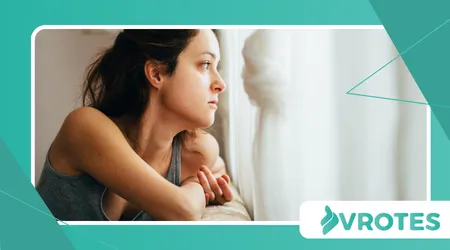
The transition into menopause brings an undeniable physical shock, but it is the psychological isolation that usually catches most women completely off guard.
Understanding how to navigate social isolation during menopause requires facing a perfect storm: sharply fluctuating brain chemistry colliding with a daily routine that suddenly no longer fits the old molds.
When estrogen plummets, it does not just alter the body; it shifts how we perceive ourselves and connect with the world, frequently pushing us away from the very people we love most.

विषयसूची
- Why Is Isolation Prevalent During Menopause?
- How Do Hormones Affect Social Engagement?
- What Are the Cognitive Risks of Disconnection?
- Tips to Rebuild Your Social Network
- अक्सर पूछे जाने वाले प्रश्नों
Why Is Isolation Prevalent During Menopause?
There is an awkward social silence surrounding menopause. Society routinely reduces this profound transition to cheap jokes about hot flashes and mood swings, invalidating an avalanche of very real changes.
This lack of support forces many women to choose withdrawal over the exhausting burden of constantly explaining themselves.
विज्ञापन
To make matters worse, this phase frequently coincides with the peak of the “sandwich generation” phenomenon.
Many of us find ourselves stretched thin, balancing the care of aging parents with supporting children entering adulthood.
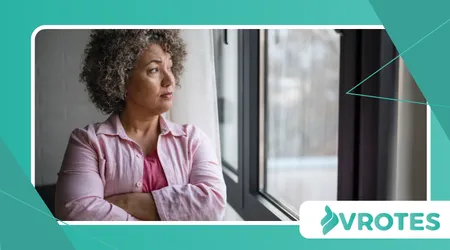
Time for self-care or a casual, low-pressure coffee with friends simply vanishes. Without noticing, bonds begin to fray, turning the task to navigate social isolation during menopause into a lonely, invisible struggle.
According to tracking data fromरजोनिवृत्ति सोसायटी, both objective social isolation and a deep sense of loneliness reach their peak precisely during perimenopause, driven by this compounding accumulation of external and internal pressures.
How Do Hormones Affect Social Engagement?
Hormones do not merely govern reproduction; they dictate the rhythm of neurotransmitters deeply tied to well-being and sociability.
When estradiol levels begin to drop erratically, the production of serotonin and dopamine loses its beat, destabilizing your mood.
[Estradiol Drops] ──> [Lower Serotonin/Dopamine] ──> [Anxiety & Fatigue] ──> [Social Withdrawal]
This biochemical glitch often spills over into an entirely unprecedented form of social anxiety. Social commitments that were once highly enjoyable suddenly feel like Herculean tasks.
Add sleepless nights caused by severe night sweats to the mix, and chronic exhaustion takes over. It becomes much easier to cancel a dinner than to spend what little energy you have left masking your discomfort.
++ भावनात्मक स्वास्थ्य और भावनात्मक दमन की कीमत
Withdrawal, which began as a protective defense mechanism, slowly hardens into a habit that is incredibly difficult to break.
| Psychosocial & Hormonal Factor | Impact on Daily Social Interaction |
| Severe Fatigue & Insomnia | Causes frequent cancellations and drains the stamina needed for evening outings. |
| Vasomotor Symptoms (Hot Flashes) | Creates distress and public embarrassment, prompting preventive self-isolation. |
| Estrogen-Driven Mood Shifts | Heightens sensitivity to rejection, undermining the initiative to seek new friendships. |
What Are the Cognitive Risks of Disconnection? navigate social isolation during menopause
The human brain is deeply social; it requires meaningful interaction with others to stay sharp. When trying to navigate social isolation during menopause by cutting ourselves off from the world, we sever the very stimuli that preserve our mental agility.
और पढ़ें: मानसिक स्वास्थ्य संवेदी नियमन पर क्यों निर्भर करता है?
Science already points out that chronic loneliness severely aggravates the famous “menopausal brain fog.”
                     ┌───> Subjective Loneliness ──┐
[Menopause Transition]                             ├───> 8.25x Odds of Subjective Cognitive Decline
                     └───> Objective Isolation  ───┘
A lack of dynamic dialogue and companionship slows down cognitive processing and delays memory retrieval.
A cross-sectional study published in the journal रजोनिवृत्ति revealed that women exposed to moderate loneliness combined with objective isolation had 8.25 times higher odds of reporting subjective cognitive decline.
Staying connected is not just a casual pastime; it is a fundamental pillar of neurological health.
Tips to Rebuild Your Social Network
Rebuilding your support network does not mean overbooking your calendar overnight. Instead, it is about creating strategic touchpoints that respect your current energy levels. Small movements yield massive emotional relief.
1. Seek out menopause-focused support groups
Being among peers eliminates the need to make excuses or justify your fatigue.
Local conversation circles or moderated online communities offer a safe space to share coping strategies for symptoms without judgment, beautifully transforming vulnerability into mutual solidarity.
2. Lean into low-pressure shared activities
Enrolling in a pottery class, a book club, or a walking group anchors your attention on a practical task, lifting the heavy burden of direct social interaction.
++ रजोनिवृत्ति की चुनौतियों के लिए सहायता नेटवर्क कैसे बनाएं
The consistency of these gatherings allows new friendships to blossom organically, free from the anxiety of forced conversations.
3. Cultivate daily micro-connections
Challenge yourself to make one small social gesture per day: a quick text to a cherished colleague or a brief chat with a neighbor.
These tiny sparks break the numbing sensation of invisibility, retraining your brain so you can navigate social isolation during menopause with far more ease and confidence.
अक्सर पूछे जाने वाले प्रश्नों
Can hormone replacement therapy help reduce the feeling of isolation?
Hormone replacement therapy acts directly on the most exhausting physical symptoms, such as hot flashes and insomnia, while stabilizing acute mood swings.
By restoring sleep quality and mitigating anxiety, medical treatment rebuilds the physical stamina required to re-engage socially, though it should always go hand-in-hand with a conscious effort to restore connection.
How can I explain my desire for solitude to my friends and partner?
Affectionate clarity prevents unnecessary misunderstandings. Explain that your withdrawal or exhaustion is not a sudden lack of interest in them, but a direct physical response of your body to fluctuating hormones.
Suggest gentler, quieter ways to spend time together, like watching a movie in comfortable silence, free from the pressure of performing socially.
Do forgetfulness and brain fog permanently worsen with loneliness?
Brain fog is typically a fluctuating, temporary condition linked to the hormonal transition rather than permanent structural damage.
However, prolonged isolation deprives your mind of the verbal and intellectual gymnastics that regular conversations naturally provide. Returning to stimulating social circles generally reverses this type of cognitive sluggishness quite rapidly.
How can I navigate isolation if I work entirely from home?
Remote work can rapidly accelerate midlife loneliness by cutting out the spontaneous, casual interactions of a traditional workplace.
A great workaround is transferring your workstation to a library or a cozy coffee shop a few times a week. Engaging in volunteer work or scheduling walks at the end of the day ensures you do not let the entire day slip by without human contact.
निष्कर्ष
सीखना navigate social isolation during menopause calls for a generous, realistic look at your own biology.
Understanding that the urge to pull away often stems from a hormonal shift—rather than a personal flaw—helps untie the heavy knot of guilt.
Protecting your mental and cognitive health during this phase demands the courage to refuse to let yourself disappear.
Respect your body’s rhythm, but do not surrender the bonds that give meaning to the journey. Choose one small connection to restore sometime this week, and gently begin to reopen your windows to the world.
For clinical support and detailed information on the transformations of this phase, consult the official channels of the नेशनल इंस्टीट्यूट ऑफ हेल्थ.
++ Feeling isolated during menopause: causes, strategies and tips