
High-Fiber Snacks That Actually Keep You Full Between Meals
advertisement
High-fiber snacks offer a practical solution. By slowing digestion and supporting steady blood sugar levels, fiber-rich foods provide sustained satiety and lasting energy throughout the day.
Finding a snack that keeps your energy steady and your stomach satisfied until your next meal can feel like a challenge.
Many popular quick bites—like chips, pretzels, or sugar-laden bars—digest rapidly, leaving you hungry again within an hour.
Key Takeaways
- Sustained Satiety: Fiber adds volume to food and slows digestion, helping you stay full longer between meals.
- The Power of Pairing: Combining dietary fiber with healthy fats or lean protein maximizes satiety and prevents blood sugar spikes.
- Simple, Whole Foods: Effective high-fiber snacks do not require complicated preparation; simple options like nuts, seeds, berries, and legumes are highly effective.
- Hydration Matters: Increasing your fiber intake requires adequate water consumption to support smooth digestion.
Why Fiber Helps You Stay Full
Dietary fiber is a type of carbohydrate that the body cannot fully digest.
Unlike refined carbohydrates, which break down quickly into simple sugars, fiber passes through the digestive system relatively intact. This unique structure contributes to fullness in two primary ways:
advertisement
Volume and Gastric Emptying: Soluble fiber absorbs water and forms a gel-like substance in the digestive tract.
This expands the volume of food in your stomach and slows the rate at which the stomach empties into the small intestine.
Hormonal Regulation: As fiber is fermented by beneficial bacteria in the gut, it triggers the release of satiety hormones like peptide YY (PYY) and glucagon-like peptide-1 (GLP-1), which signal to the brain that you are satisfied.
According to the Dietary Guidelines for Americans, most adults should aim for 22 to 34 grams of fiber per day, depending on age and sex.
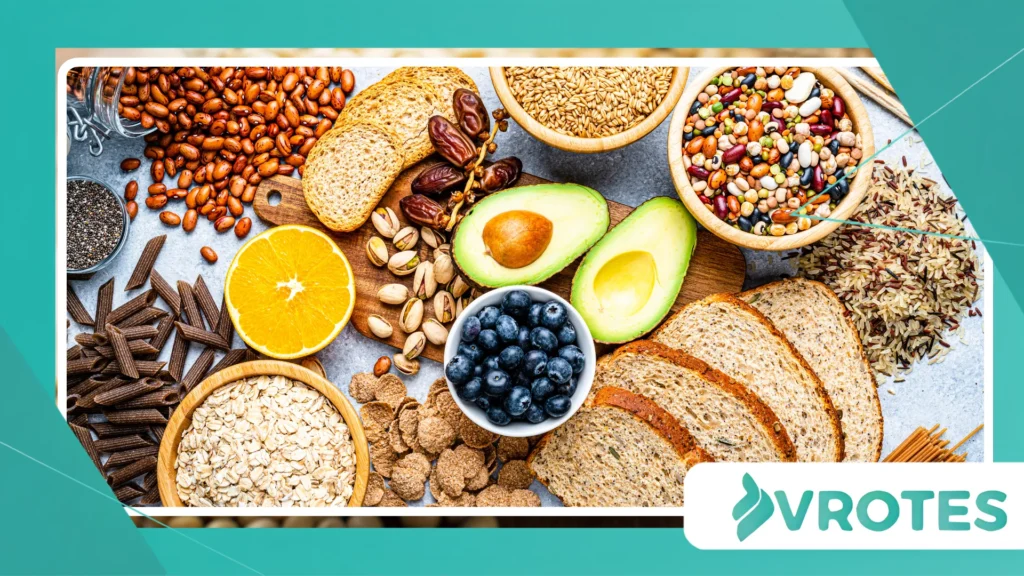
However, the average American consumes only about 15 grams daily. Incorporating high-fiber snacks into your routine is one of the most manageable ways to bridge this gap.
Top High-Fiber Snacks for Lasting Satiety
When selecting a high-fiber snack, target options that provide at least 3 to 5 grams of dietary fiber per serving. Here are some nutrient-dense, filling choices categorized by food group.
++ How GLP-1 Friendly Foods Support Appetite Regulation
1. Nuts, Seeds, and Legumes
- Roasted Edamame: Dry-roasted edamame is a convenient snack packed with both fiber and plant-based protein. A half-cup serving provides roughly 4 grams of fiber and 9 grams of protein.
- Chia Seed Pudding: Chia seeds are among the concentrated sources of soluble fiber available. Two tablespoons of chia seeds contain about 10 grams of fiber. When soaked in milk or a plant-based alternative, they expand to create a satisfying pudding.
- Roasted Chickpeas: Crispy roasted chickpeas offer a crunch similar to potato chips but with significantly more nutritional value. One-half cup delivers around 6 grams of fiber along with complex carbohydrates.
Read more: Why Choline-Rich Foods Support Cognitive Performance
2. Fresh Fruits paired with Healthy Fats
- Apples or Pears with Almond Butter: A medium apple or pear contains about 4 to 5 grams of fiber, mostly in the skin. Pairing fruit with a tablespoon of almond butter adds healthy fats that further slow digestion.
- Berries with Greek Yogurt: Raspberries and blackberries lead the fruit category in fiber content, offering about 8 grams per cup. Combining them with unsweetened Greek yogurt adds protein for a well-rounded snack.
3. Vegetables and Whole Grains
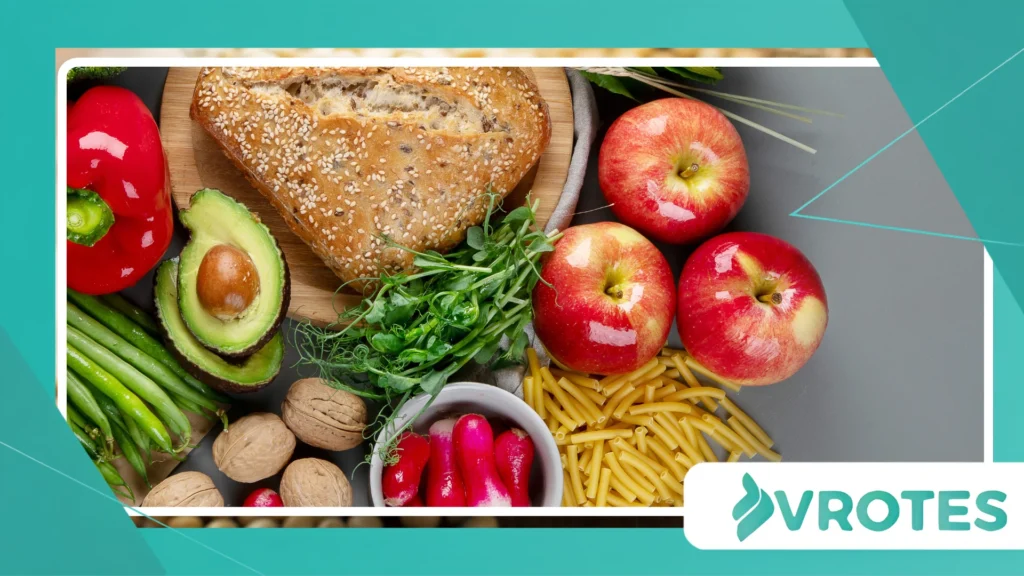
- Raw Veggies with Hummus: Carrots, broccoli florets, and sugar snap peas provide insoluble fiber that adds bulk to your diet. Dipping them in 2 to 3 tablespoons of chickpea-based hummus adds extra fiber and flavor.
- Air-Popped Popcorn: Popcorn is a whole grain. A three-cup serving of air-popped popcorn delivers approximately 3.5 grams of fiber for under 100 calories, making it a high-volume snack option.
High-Fiber Snack Comparison
The table below highlights the fiber and protein content of common satisfying snacks to help you make informed choices.
| Snack Option | Serving Size | Approximate Fiber (g) | Approximate Protein (g) | Primary Benefit |
| Chia Seed Pudding | 1 cup (prepared) | 10g | 6g | Exceptional soluble fiber content |
| Raspberries with Greek Yogurt | 1 cup berries + 1/2 cup yogurt | 8g | 12g | High antioxidants and protein |
| Roasted Chickpeas | 1/2 cup | 6g | 7g | Satisfying crunch and complex carbs |
| Apple with Almond Butter | 1 medium apple + 1 tbsp butter | 5g | 3g | Balanced sweetness and healthy fats |
| Dry-Roasted Edamame | 1/2 cup | 4g | 9g | High plant-based protein ratio |
| Air-Popped Popcorn | 3 cups | 3.5g | 3g | High volume, low energy density |
Smart Strategies for Building a Filling Snack
To build a snack that consistently wards off hunger until your next meal, consider the following practical guidelines:
Pair Fiber with Protein or Fat
While fiber slows digestive transit time, protein and healthy fats provide additional satiety signals.
++ Why Decision Regret Creates Ongoing Mental Stress
A snack that combines at least two of these macronutrients will keep you full longer than a snack composed of isolated carbohydrates.
For example, pair whole-grain crackers with low-fat cheese, or pair an orange with a handful of walnuts.
Keep the Skin On
When eating fruits and vegetables like apples, pears, cucumbers, and potatoes, leave the skin intact whenever feasible. A significant portion of a plant’s insoluble fiber resides in its outer peel.
Increase Intake Gradually
If your current diet is relatively low in fiber, increase your intake slowly over several weeks. Adding too much fiber too quickly can lead to temporary digestive discomfort, such as gas or bloating.
Drink Plenty of Water
Fiber works best when hydrated. Soluble fiber requires water to form a viscous gel in your stomach, while insoluble fiber needs fluids to move smoothly through the digestive tract.
Ensure you drink adequate water throughout the day as you increase your fiber consumption, as outlined in health guidance from institutions like the Mayo Clinic.
Conclusion
Choosing high-fiber snacks is an effective, evidence-based approach to managing hunger, maintaining steady energy, and supporting overall digestive health.
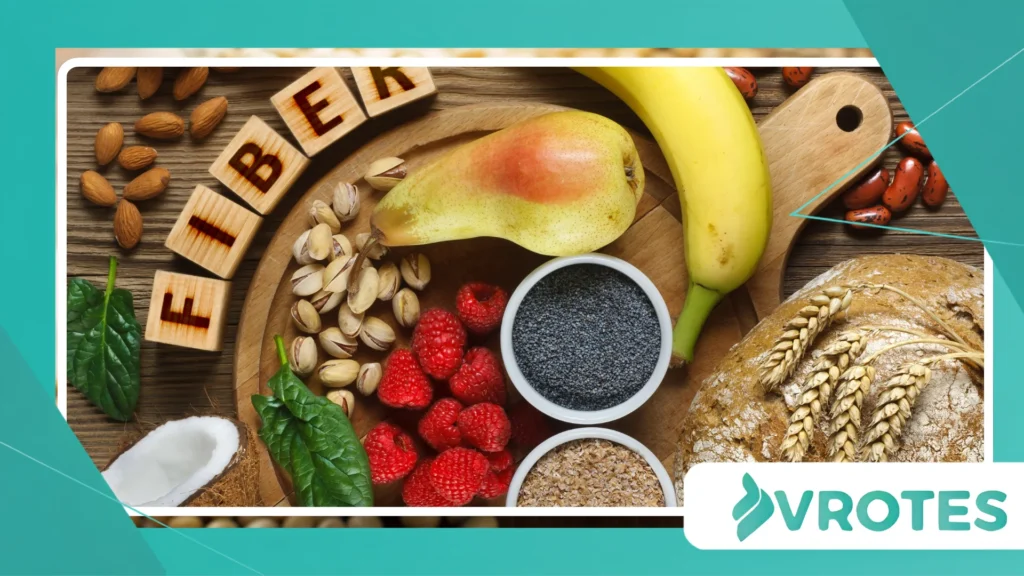
By selecting whole foods like nuts, seeds, berries, legumes, and whole grains—and pairing them with lean protein or healthy fats—you can easily create satisfying options that keep you full between meals.
To get started, pick two high-fiber options from the list above to add to your grocery list this week, and replace one refined snack option with a whole-food alternative.
Frequently Asked Questions
What is the difference between soluble and insoluble fiber?
Soluble fiber dissolves in water to form a gel-like substance, which slows digestion and helps manage blood sugar and cholesterol levels.
Insoluble fiber does not dissolve in water; it adds bulk to the stool and helps food move efficiently through the digestive system. Both types contribute to fullness and overall health.
How much fiber should I aim for in a single snack?
A good target for a filling snack is between 3 and 8 grams of fiber.
Pairing this with 5 to 10 grams of protein or healthy fats creates a balanced mini-meal that supports sustained satiety without overloading your digestive system before dinner.
Can high-fiber snacks help with weight management?
Yes. High-fiber foods generally require more chewing time, have a lower energy density (fewer calories for the same volume of food), and promote long-lasting fullness.
These factors naturally help reduce overeating and support steady appetite regulation throughout the day.