
How Herbal Adaptogens Help in Stress Adaptation
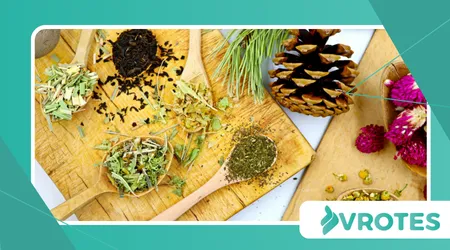
Herbal Adaptogens represent a sophisticated bridge between ancient botanical wisdom and modern physiological science, offering a natural solution for navigating the relentless pressures of contemporary life.
Anúncios
These unique plants work by modulating the human stress response, specifically targeting the HPA axis to promote systemic balance.
By enhancing your resilience, they ensure your body maintains peak performance without the typical exhaustion.
Summary
- The Science of Resilience: Understanding how adaptogens modulate the HPA axis.
- The Stress Curve: How these herbs prevent the “crash” associated with stimulants.
- Key Varieties: Deep dive into Ashwagandha, Rhodiola, and Holy Basil.
- Safety and Efficacy: Guidance on dosage, timing, and long-term metabolic health.
What are Herbal Adaptogens and How Do They Function?
The term Herbal Adaptogens refers to a select group of non-toxic plants that help the human body resist stressors of all kinds, whether physical, chemical, or biological.
These botanicals don’t target a specific organ; instead, they exert a systemic influence, helping the body return to a state of homeostasis.
Anúncios
Unlike caffeine, which forces a spike in energy followed by a sharp decline, these herbs work by stretching the “stress threshold.”
They essentially train your nervous system to handle higher loads without triggering a massive cortisol surge. This metabolic flexibility is what defines a true adaptogenic substance in modern herbalism.
Research indicates that these compounds interact primarily with the Hypothalamic-Pituitary-Adrenal (HPA) axis.
By regulating this feedback loop, they prevent the overproduction of stress hormones. Consequently, the body maintains better cardiovascular stability and cognitive clarity during high-pressure situations, avoiding the typical “fight or flight” exhaustion.
How Does the Body Process These Botanical Compounds?
When you consume Herbal Adaptogens, your cells interact with complex phytochemicals like eleutherosides or withanolides.
These molecules act as mild stressors themselves, a process known as hormesis. By introducing a “low-level” challenge, the body strengthens its natural defense mechanisms against much larger external threats.
This mechanism is remarkably similar to how physical exercise builds muscle through controlled micro-tears. By consistently utilizing these herbs, the endocrine system becomes more efficient at clearing cortisol from the bloodstream.
This prevents the chronic inflammation often associated with long-term psychological stress and metabolic burnout.
Furthermore, these herbs influence the production of molecular chaperones, such as heat shock proteins. These proteins assist in cellular repair and prevent the misfolding of proteins during periods of intense physiological demand.
Read more: Why Acupressure Can Improve Sleep Onset Time
This cellular-level protection is a hallmark of the most potent Herbal Adaptogens available today.
Why Should You Choose Adaptogens Over Traditional Stimulants?
Traditional stimulants provide a temporary illusion of energy by depleting your body’s stored reserves. In contrast, Herbal Adaptogens focus on nourishing the adrenal glands rather than draining them.
This distinction is vital for anyone looking to maintain long-term mental performance without experiencing burnout.
You will notice that adaptogens provide a “leveling” effect. If you are anxious, they tend to provide a calming influence; if you are fatigued, they offer a subtle, sustainable lift.
This bidirectional action makes them uniquely versatile for various lifestyle needs and different circadian rhythms.
According to the National Center for Complementary and Integrative Health, many of these herbs have been utilized for centuries in Ayurvedic and Traditional Chinese Medicine.
Today, clinical trials confirm their ability to reduce markers of oxidative stress, validating the historical usage with rigorous 21st-century data.
Which Herbal Adaptogens Are Most Effective for Stress?
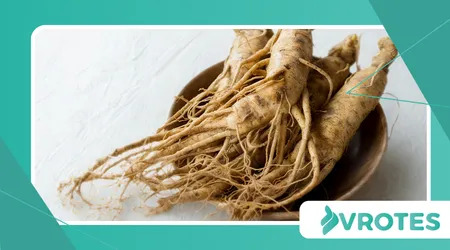
Selecting the right herb depends entirely on your specific manifestation of stress. Ashwagandha is perhaps the most famous, known for its ability to lower serum cortisol levels significantly.
It is particularly effective for those who feel “tired but wired” at night.
Rhodiola Rosea, on the other hand, is the gold standard for cognitive fatigue. It enhances ATP production in the mitochondria, providing mental “grit” during demanding workdays.
++ Integrating Traditional Cupping with Modern Physical Therapy
This herb is often favored by athletes and professionals who require sustained focus under extreme environmental conditions.
| Herb Name | Primary Active Compound | Main Benefit | Best Time to Take |
| Ashwagandha | Withanolides | Cortisol Reduction | Evening |
| Rhodiola Rosea | Salidrosides | Mental Fatigue | Morning |
| Holy Basil | Eugenol | Emotional Balance | Any Time |
| Eleuthero | Eleutherosides | Physical Endurance | Pre-Workout |
| Schisandra | Schisandrins | Liver Support | Morning |
When Will You Start Feeling the Benefits? Herbal Adaptogens
Patience is essential when integrating Herbal Adaptogens into your daily wellness routine. Unlike pharmaceutical interventions that provide immediate shifts, these plants work through accumulation.
Most clinical studies suggest that the most significant physiological changes occur after six to twelve weeks of consistent use.
Initially, you might only notice a subtle improvement in your sleep quality or a slight reduction in afternoon brain fog. Over time, these small changes compound into a robust sense of resilience.
Read here: Menopause and Neck Mobility: Preventing Tension Headaches
You will likely find yourself reacting to daily frustrations with more composure and less physical tension.
It is also important to “cycle” these herbs to maintain their efficacy. Many practitioners recommend a “five days on, two days off” approach or a seasonal rotation.
This prevents the body from becoming too accustomed to the compounds, ensuring that the HPA axis remains responsive and healthy.
What Are the Safety Considerations and Side Effects?
While Herbal Adaptogens are generally recognized as safe, they are pharmacologically active substances. They can interact with medications, particularly those for thyroid conditions, autoimmune disorders, or blood sugar management.
Always consult with a healthcare professional before adding new supplements to your existing regimen.
Quality sourcing is equally critical in the supplement industry. Look for products that are third-party tested for heavy metals and purity.
Since the concentration of active compounds can vary wildly between brands, standardized extracts are usually the most reliable way to ensure you receive a therapeutic dose.
Pregnant or breastfeeding individuals should exercise extreme caution, as many adaptogens have not been extensively studied in these populations.
For most healthy adults, however, these herbs offer a low-risk, high-reward strategy for managing the modern epidemic of chronic stress and systemic inflammation.
Conclusion
Embracing Herbal Adaptogens is not about finding a “magic pill” for life’s problems. Instead, it is about utilizing nature’s most resilient organisms to enhance our own biological capacity.
By supporting our HPA axis and cellular health, these botanicals allow us to thrive in an increasingly demanding world.
As we look toward the future of holistic health in 2026, the integration of plant medicine and clinical science continues to deepen.
Choosing the right adaptogen requires self-awareness and consistency, but the result—a more balanced, resilient, and energetic version of yourself—is well worth the investment in your long-term well-being.
For further reading on botanical safety and standardized extracts, visit the American Botanical Council, which provides peer-reviewed data on herbal medicine and global industry standards.
Frequently Asked Questions
Can I mix multiple adaptogens together?
Yes, many people use “complexes” that combine different herbs. However, it is often better to start with one herb at a time to see how your specific body chemistry reacts before blending.
Are adaptogens safe to take every single day?
Most are safe for daily use, but “cycling” is highly recommended. Taking a break every few weeks helps maintain your body’s natural sensitivity to the active phytochemicals found within these powerful plants.
Will these herbs make me feel “high” or sedated?
No, adaptogens are not psychoactive or intoxicating. They work subtly with your natural rhythms. You shouldn’t feel a “hit,” but rather a general sense of being more capable and less overwhelmed by tasks.
How do I know if my supplement is high quality?
Look for “Standardized Extract” on the label. This ensures a specific percentage of the active ingredient is present. Also, verify that the manufacturer uses independent labs to test for contaminants like lead or mold.
Do adaptogens help with weight loss?
Indirectly, yes. By lowering cortisol, they can reduce stress-induced sugar cravings and abdominal fat storage. However, they are best used as a supportive tool alongside a balanced diet and regular physical movement.