
How Overcooking Oils Alters Their Nutritional Profile

Understanding how Overcooking Oils Alters Their Nutritional Profile is essential for anyone prioritizing long-term health, as heat fundamentally changes the chemical stability of common kitchen fats.
Anúncios
While many focus solely on the ingredients in their pans, the thermal limits of those fats often dictate the actual nutritional value of the final meal.
This guide explores the science behind lipid oxidation, the formation of harmful compounds, and how to select the right medium for every culinary technique.
Summary of Key Insights
- The Chemistry of Heat: Why the smoke point is only part of the safety equation.
- Nutrient Degradation: How antioxidants and vitamins vanish under high temperatures.
- Toxic Byproducts: Understanding polar compounds and acrylamides.
- Smart Selection: Matching oil stability to specific cooking methods.
What Is the Science Behind Oil Degradation During Cooking?
At a molecular level, Overcooking Oils Alters Their Nutritional Profile by triggering a process known as oxidative rancidity, which breaks down fatty acid chains.
When fats reach high temperatures, the oxygen in the air reacts with the carbon-carbon double bonds, leading to the creation of hydroperoxides and aldehydes.
Anúncios
Saturated fats remain more stable because they lack these vulnerable double bonds, whereas polyunsaturated fats (PUFAs) degrade rapidly when exposed to prolonged, intense heat.
This chemical shift doesn’t just change the flavor; it transforms a heart-healthy fat into a source of inflammatory markers that can negatively impact cellular health.
How Does Excessive Heat Destroy Essential Micronutrients?
The reason Overcooking Oils Alters Their Nutritional Profile involves the rapid destruction of delicate micronutrients like Vitamin E, polyphenols, and various phytosterols found in unrefined oils.
Extra virgin olive oil, for instance, contains oleocanthal and various antioxidants that act as natural shields against inflammation and oxidative stress within the human body.
Subjecting these premium oils to temperatures far exceeding 400°F (204°C) essentially strips them of their medicinal properties, leaving behind empty calories and potentially harmful free radicals.
Research suggests that even 20 minutes of high-heat frying can reduce the antioxidant capacity of cold-pressed oils by over 70%, rendering the “superfood” label effectively obsolete.
Why Do Toxic Compounds Form When Oils Smoke?
We often ignore that Overcooking Oils Alters Their Nutritional Profile to the point of producing carcinogenic substances like acrolein and polycyclic aromatic hydrocarbons (PAHs) during deep frying.
Acrolein is the pungent, irritating chemical responsible for the “burnt” smell and acrid smoke that fills a kitchen when an oil reaches its critical flash point.
Consuming these degraded lipids introduces oxidative stress to the digestive tract and circulatory system, potentially damaging DNA and promoting systemic inflammation over several years of exposure.
Modern nutrition science emphasizes that the “smoke point” is a physical indicator, but chemical degradation often begins well before any visible smoke appears on the stove.
You can explore detailed clinical data on lipid oxidation and its metabolic effects through the National Center for Biotechnology Information (NCBI), which provides peer-reviewed insights into food safety.
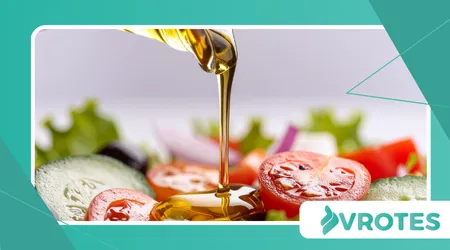
Which Cooking Oils Maintain Stability Under High Temperatures?
Choosing the right fat ensures that Overcooking Oils Alters Their Nutritional Profile doesn’t happen, preserving both the flavor and the biological benefits of your carefully prepared ingredients.
Refined avocado oil stands out as a champion for high-heat applications due to its exceptionally high smoke point and high monounsaturated fat content, which resists oxidation.
Ghee, or clarified butter, offers another stable alternative because the removal of milk solids prevents the burning that typically occurs with standard butter at lower temperatures.
Read more: Sprouting and Fermentation
For roasting or light sautéing, extra virgin olive oil remains surprisingly resilient if kept below 375°F (190°C), thanks to its high concentration of protective phenolic compounds.
Thermal Stability Comparison Table (2026 Data)
| Oil Type | Smoke Point (°F) | Primary Fat Type | Best Use Case |
| Avocado (Refined) | 520°F | Monounsaturated | Searing, Grilling |
| Ghee | 485°F | Saturated | Sautéing, Roasting |
| Almond Oil | 430°F | Monounsaturated | Baking, Light Frying |
| Extra Virgin Olive | 375-405°F | Monounsaturated | Roasting, Dressing |
| Flaxseed Oil | 225°F | Polyunsaturated | No-heat Finishing |
What Are the Signs That Your Oil Has Lost Its Nutritional Value? Overcooking Oils Alters Their Nutritional Profile
Recognizing when Overcooking Oils Alters Their Nutritional Profile requires a keen sense of smell, sight, and taste before the food even reaches your dinner plate.
A significant darkening of the oil’s color or a noticeable change in viscosity—becoming thicker or “gummy”—indicates that polymerization has occurred, creating indigestible plastic-like structures.
If your oil produces a fishy or metallic aroma during heating, it is likely that the omega-3 or omega-6 fatty acids have already gone through advanced oxidation.
Read here: Microplastics in the Food Chain
Toss any oil that smokes prematurely, as this is a clear sign that the molecular structure has collapsed, creating a cocktail of inflammatory compounds and trans fats.
When Should You Use Cold-Pressed Oils Versus Refined Oils?
The dilemma of Overcooking Oils Alters Their Nutritional Profile is best solved by reserving cold-pressed oils for finishing and refined oils for active heat applications in the kitchen.
Cold-pressed oils, such as walnut or pumpkin seed, are prized for their raw enzymes and fragile nutrients which cannot survive even moderate levels of heat for long.
Refinement processes remove the impurities that cause early smoking, making refined options safer for the high-energy environment of a professional wok or a backyard grill.
++ The Role of Forgiveness in Physical Healing
Always store your most delicate oils in dark glass bottles within a cool pantry to prevent light and heat from degrading them before they even hit the pan.
How Does Reusing Cooking Oil Compatiability Affect Your Health?
Frequent reuse of the same fat exponentially ensures that Overcooking Oils Alters Their Nutritional Profile for the worse, as each heating cycle lowers the oil’s smoke point.
Cumulative heat cycles lead to the accumulation of total polar materials (TPMs), which are strictly regulated in commercial kitchens but often ignored in the average American household.
High TPM levels are linked to elevated blood pressure and impaired vascular function, making the “thrifty” habit of reusing frying oil a significant risk factor for heart health.
If you must reuse oil, filter it through a fine mesh to remove food particles and never exceed two or three uses before discarding the batch entirely.
Conclusion: Overcooking Oils Alters Their Nutritional Profile
In summary, acknowledging that Overcooking Oils Alters Their Nutritional Profile is the first step toward a more conscious and health-aligned approach to everyday home cooking.
By respecting the thermal limits of different fats, you protect the vital antioxidants and fatty acids that support cardiovascular health and reduce systemic inflammation.
Transitioning to stable fats like ghee or avocado oil for high-heat tasks, while reserving virgin oils for finishing, ensures you reap the maximum rewards from your diet.
For further reading on food standards and safety guidelines, visit the U.S. Food and Drug Administration (FDA) to stay updated on the latest nutritional recommendations.
Frequently Asked Questions
Does olive oil turn into a trans fat when heated?
While heating olive oil can slightly increase trans fat levels, the amount remains negligible under normal home cooking conditions compared to industrially processed hydrogenated fats.
Can I use coconut oil for deep frying?
Coconut oil is highly stable due to its saturated fat content, but its relatively lower smoke point (350°F) makes it better suited for medium-heat baking and sautéing.
Why is flaxseed oil never recommended for cooking?
Flaxseed oil is extremely high in alpha-linolenic acid (an omega-3), which is highly unstable and oxidizes almost immediately when exposed to even low levels of heat.
Does refined oil have fewer nutrients than unrefined?
Yes, the refining process removes many beneficial compounds like polyphenols to achieve a higher smoke point, making it a “cleaner” but less nutrient-dense cooking medium.
How should I dispose of degraded cooking oil?
Never pour degraded oil down the drain; instead, let it cool and place it in a sealed container for trash disposal or take it to a local biofuel recycling center.
++ Effects of Repeated Heating on Fatty Acid Composition of Plant-Based Cooking Oils