
Cara Mengonsumsi Protein Tanpa Lemak Tanpa Bergantung pada Daging
iklan
Mengandalkan sepenuhnya pada sumber hewani untuk memenuhi kebutuhan protein harian dapat terasa membosankan, berat, dan semakin mahal.
Baik Anda bertujuan untuk mengurangi asupan lemak jenuh, mengadopsi pola makan nabati yang lebih fleksibel, atau memangkas biaya belanja bahan makanan tanpa mengorbankan pemulihan otot, menemukan alternatif yang serbaguna sangat penting.
Mempelajari cara sertakan protein tanpa lemak Menambahkan daging ke dalam rencana makan harian Anda tanpa ketergantungan terus-menerus lebih sederhana daripada yang kebanyakan orang pikirkan—dan itu tidak mengharuskan Anda mengorbankan rasa atau kepuasan.
Poin-Poin Penting
- Kekuatan Utama Berbasis Tanaman: Kacang-kacangan, polong-polongan, dan produk olahan kedelai menawarkan protein yang cukup banyak yang dipadukan dengan serat pencernaan.
- Pilihan Produk Susu & Telur: Yogurt Yunani, keju cottage, dan putih telur memberikan kandungan protein tinggi dengan lemak minimal.
- Pemasangan Cerdas: Menggabungkan berbagai sumber protein nabati memastikan Anda menerima profil lengkap asam amino esensial.
- Efisiensi Persiapan Makanan: Teknik penggantian sederhana membuat transisi dari konsumsi daging sehari-hari menjadi mudah dan berkelanjutan.
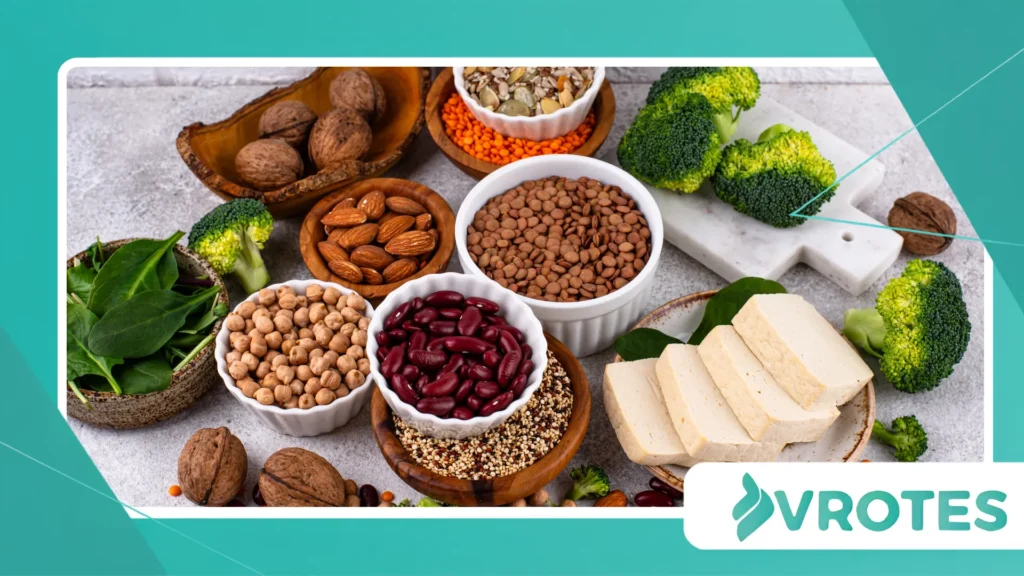
Mengapa Anda Harus Mendiversifikasi Sumber Protein Anda?
Banyak orang dewasa secara naluriah memilih dada ayam, daging sapi, atau kalkun ketika merencanakan makanan yang bertujuan untuk menjaga massa otot atau mengelola berat badan.
Hal ini menunjukkan bahwa mengganti lemak jenuh hewani dengan sumber protein nabati mendukung kesehatan kardiovaskular jangka panjang dan memperbaiki penanda metabolisme.
iklan
Mengonsumsi beragam makanan juga meningkatkan keanekaragaman mikrobioma, yang secara langsung memengaruhi pencernaan, ketahanan imun, dan tingkat energi secara keseluruhan.
Apa Saja Pilihan Protein Tanpa Daging Terbaik yang Rendah Lemak?
Mengubah pola makan bukan berarti harus memilih lauk pauk rendah protein. Banyak bahan non-daging yang kaya nutrisi per porsi, sekaligus menjaga kandungan kalori dan lemak secara keseluruhan tetap rendah.
Memperluas sumber nutrisi Anda akan memperkenalkan serat makanan, fitonutrien penting, dan berbagai mikronutrien yang tidak dimiliki oleh produk hewani. Penelitian yang disoroti oleh Institut Kesehatan Nasional
Sumber Protein Rendah Lemak Non-Daging Terbaik
| Sumber Protein | Rata-rata Protein (per 100g) | Mikronutrien Utama / Manfaat |
| Seitan | ~25g | Zat besi, kalsium, tekstur rendah lemak yang setara dengan daging. |
| Yogurt Yunani Rendah Lemak | ~10g | Probiotik, Kalsium, Vitamin B12 |
| Tahu Padat | ~17g | Isoflavon, Zat Besi, Kalsium |
| Kacang lentil (yang sudah dimasak) | ~9g | Folat, Serat, Kalium |
| Keju Cottage Rendah Lemak | ~11g | Protein kasein, Kalsium, Selenium |
| Edamame | ~11g | Vitamin K, Serat, Profil asam amino lengkap |
Bagaimana Cara Mempersiapkan Makanan Vegetarian Tinggi Protein untuk Jangka Panjang?
Persiapan menghasilkan konsistensi. Ketika Anda tidak memiliki strategi yang jelas, kebiasaan lama akan mengambil alih, seringkali mengarah kembali ke pilihan makanan olahan atau ketergantungan berlebihan pada daging.
1. Kuasai Adonan Dasar yang Dimasak dalam Jumlah Besar
Siapkan bahan makanan pokok serbaguna dalam jumlah besar di awal minggu. Lentil, quinoa, dan kacang hitam dapat disimpan dengan baik di lemari es hingga lima hari.
++ Makanan Pengontrol Candida yang Dapat Mengurangi Pertumbuhan Jamur Berlebihan
Anda bisa menambahkan bahan dasar ini ke dalam salad, mencampurnya ke dalam mangkuk biji-bijian, atau membungkusnya ke dalam tortilla sarapan tanpa harus memasak dari awal setiap kali makan.
2. Tingkatkan Kualitas Sarapan Anda
Sarapan sering kali didominasi oleh karbohidrat olahan seperti kue kering, sereal, atau roti panggang tawar.
Baca selengkapnya: Bagaimana Makanan Kaya Leusin Mendukung Penuaan Sehat pada Wanita
Ganti pilihan rendah protein dengan yogurt Yunani tawar tanpa pemanis dan tanpa lemak yang dikocok dengan satu sendok bubuk protein nabati, atau masak putih telur gurih yang dicampur dengan bayam dan kacang hitam.
3. Campurkan Protein ke dalam Saus dan Sup
Tahu sutra dan campuran keju cottage menciptakan tekstur yang kaya dan lembut tanpa lemak jenuh yang tinggi seperti krim tradisional.
Campurkan tahu sutra langsung ke dalam saus pasta, marinara, atau sup sayuran untuk meningkatkan kepadatan protein secara keseluruhan dengan mudah.
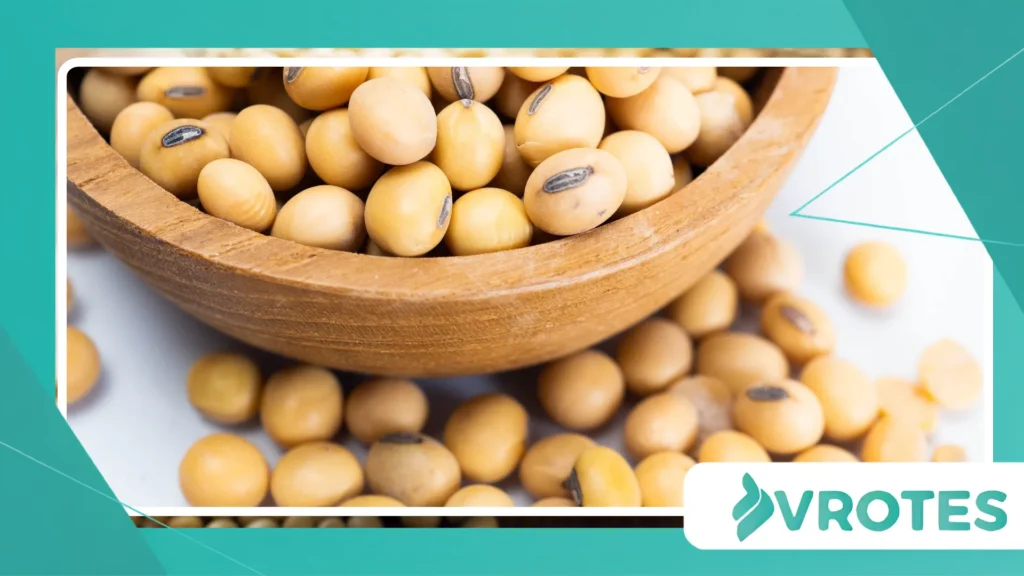
Protein Nabati Mana yang Menawarkan Profil Asam Amino Lengkap?
Mitos umum menyatakan bahwa protein nabati pada dasarnya lebih rendah kualitasnya karena banyak di antaranya kekurangan asam amino esensial tertentu.
Meskipun jaringan hewan mengandung kesembilan asam amino esensial, Anda dapat dengan mudah mencapai profil asam amino lengkap dengan mengonsumsi makanan yang bervariasi sepanjang hari.
++ Bagaimana Penyangga Emosional Melindungi dari Stres Sehari-hari
Beberapa makanan nabati secara alami mengandung kesembilan asam amino esensial:
- Produk kedelai: Tahu, tempe, edamame, dan susu kedelai.
- Butiran semu: Quinoa dan amaranth.
- Benih: Biji rami dan biji chia.
Memadukan sumber makanan yang saling melengkapi—seperti beras merah dengan kacang hitam, atau roti pita gandum utuh dengan hummus—memastikan tubuh Anda menerima setiap unsur pembangun yang dibutuhkan untuk perbaikan sel dan pertumbuhan otot.
Apa Saja Kesalahan Paling Umum Saat Beralih ke Protein Nabati Tanpa Lemak?
Ketergantungan yang berlebihan pada alternatif daging ultra-olahan adalah salah satu kesalahan paling sering yang dilakukan orang selama transisi ini.
Meskipun burger nabati yang dibeli di toko menawarkan kemudahan, burger tersebut sering kali mengandung kadar natrium yang tinggi, minyak jenuh, dan bahan tambahan buatan yang mengurangi manfaat kesehatan dari menghindari daging.
Memprioritaskan pilihan makanan utuh atau yang diproses seminimal mungkin seperti lentil, buncis, tahu, dan edamame menghasilkan hasil kesehatan jangka panjang yang jauh lebih baik.
Kesalahan umum lainnya adalah gagal menyesuaikan volume dan kepadatan makanan secara keseluruhan.
Protein nabati seperti kacang-kacangan mengandung banyak serat, sehingga sangat mengenyangkan, tetapi memiliki kepadatan protein per gram yang lebih rendah dibandingkan dengan dada ayam tanpa lemak.
Kombinasikan kacang-kacangan kaya serat dengan sumber terkonsentrasi seperti yogurt Yunani tanpa lemak, putih telur, atau bubuk protein nabati murni untuk mencapai tujuan kebugaran harian Anda dengan nyaman tanpa merasa terlalu kenyang.
Bagaimana Pengaruh Beralih ke Protein Non-Daging terhadap Pencernaan dan Kesehatan Usus?
Meningkatkan asupan protein nabati tanpa lemak secara dramatis meningkatkan serat makanan, yang secara langsung memberi makan bakteri baik dalam mikrobioma usus Anda.
Pergeseran ini mendukung pencernaan yang teratur, menurunkan peradangan sistemik, dan meningkatkan penyerapan nutrisi secara keseluruhan seiring waktu.
Namun, mengonsumsi serat dalam jumlah besar secara tiba-tiba dapat menyebabkan kembung atau perut bergas sementara. Melakukan transisi ini secara bertahap memungkinkan saluran pencernaan Anda beradaptasi dengan lancar.
Tingkatkan asupan kacang-kacangan dan biji-bijian secara bertahap selama dua hingga tiga minggu sambil tetap menjaga tubuh tetap terhidrasi dengan baik.
Mengonsumsi makanan fermentasi seperti tempeh atau yogurt Yunani yang kaya probiotik juga menyediakan kultur aktif hidup yang selanjutnya mengoptimalkan fungsi usus.
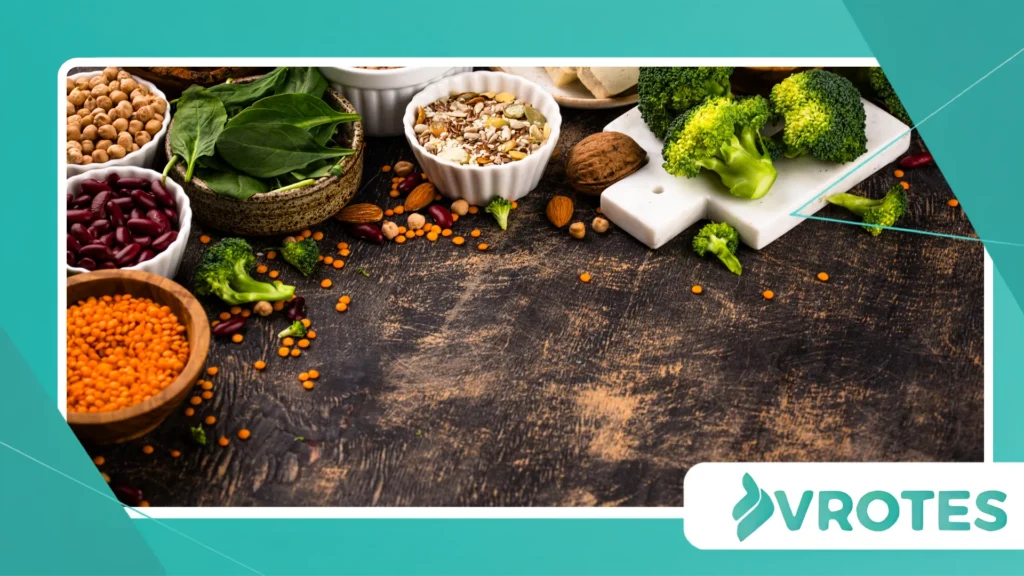
Bagaimana Cara Mengganti Daging dalam Resep Sehari-hari?
Mengubah hidangan keluarga klasik tidak memerlukan keahlian memasak yang rumit. Penggantian sederhana satu banding satu mempertahankan tekstur yang familiar sambil mengubah profil nutrisi secara keseluruhan.
Taco dan Fajitas: Ganti daging sapi giling dengan protein nabati bertekstur (TVP) atau lentil cokelat berbumbu.
Tumisan: Ganti potongan ayam dengan tahu atau tempe yang dipanggang hingga renyah.
Hidangan Pasta: Gantikan sosis daging babi giling dengan lentil hijau yang sudah dimasak atau tempe yang dihancurkan dan dicampur ke dalam saus marinara.
Cabai dan Sup: Gandakan jumlah kacang merah, kacang hitam, dan jamur potong dadu untuk mempertahankan tekstur yang kaya dan mengenyangkan.
Untuk panduan nutrisi terperinci mengenai kebutuhan protein harian berdasarkan tingkat aktivitas, lihat Pedoman Diet USDA untuk Warga Amerika, yang menguraikan asupan harian yang direkomendasikan berdasarkan berbagai pola diet.
Pertanyaan yang Sering Diajukan
Bisakah Anda membangun otot tanpa makan daging?
Ya. Sintesis protein otot bergantung pada asupan protein harian total yang memadai dan asam amino esensial yang cukup, terutama leusin.
Menggabungkan beragam sumber nabati, produk susu, atau telur menyediakan semua asam amino yang diperlukan untuk mendukung hipertrofi secara efektif bila dipadukan dengan latihan beban.
Apakah kedelai aman dikonsumsi setiap hari?
Konsumsi makanan berbahan dasar kedelai utuh seperti tahu, tempe, dan edamame dalam jumlah sedang setiap hari aman dan bermanfaat bagi kebanyakan orang.
Makanan-makanan ini menawarkan protein lengkap berkualitas tinggi beserta lemak sehat untuk jantung, serat, dan mineral penting.
Apa sumber protein non-daging yang paling mudah ditambahkan ke dalam rutinitas yang sibuk?
Kacang kalengan, yogurt Yunani, dan keju cottage rendah lemak tidak memerlukan waktu memasak sama sekali.
Membuka kaleng buncis untuk dibilas dan dimasukkan ke dalam salad hanya membutuhkan waktu kurang dari dua menit, sekaligus langsung menambahkan sekitar 12 hingga 15 gram protein.
++ Sumber Protein Terbaik untuk Vegan dan Vegetarian
++ 3 cara mudah untuk menambahkan protein ke dalam diet nabati Anda