
Mengapa Bau-Bau Aneh Dapat Terjadi Selama Perimenopause
iklan
Mengalami Bau-bauan Hantu Masa transisi menuju perimenopause seringkali membuat wanita merasa benar-benar bingung dan sangat membutuhkan jawaban yang dapat diandalkan tentang perubahan tubuh mereka yang terjadi dengan cepat.
Memahami gejala sensorik yang tak terduga ini membutuhkan pengamatan yang cermat tentang bagaimana fluktuasi kadar hormon yang cepat secara langsung memengaruhi sistem saraf Anda yang halus dan jaringan hidung yang sensitif.
Penelitian klinis modern kini mengungkapkan hubungan yang sangat menarik antara penurunan kadar estrogen dan perubahan persepsi penciuman yang mendalam selama masa transisi pertengahan usia yang sulit diprediksi ini.
Panduan komprehensif kami mengeksplorasi mekanisme biologis spesifik di balik bau-bauan imajiner ini, memberikan wawasan medis yang dapat ditindaklanjuti untuk berhasil mengatasi gangguan sensorik harian yang penuh tekanan tersebut.
Untuk menavigasi panduan bermanfaat ini, Anda perlu meninjau ringkasan detail kami di bawah ini dengan cepat, sehingga pembaca yang ingin tahu dapat langsung menuju ke topik medis spesifik mana pun yang dirasa paling relevan secara pribadi saat ini.
iklan
- Apa Itu Bau-Bau Hantu Selama Perimenopause?
- Bagaimana Penurunan Estrogen Mempengaruhi Sistem Penciuman Anda?
- Kapan Anda Harus Memeriksakan Diri ke Dokter Jika Terjadi Perubahan pada Penciuman?
- Mengapa Bau-Bau Ini Biasanya Tercium Tidak Menyenangkan?
- Strategi apa saja yang membantu mengelola phantosmia secara efektif?
- Bagaimana Pola Makan dan Hidrasi Dapat Mempengaruhi Kesehatan Penciuman?
- Pertanyaan yang Sering Diajukan
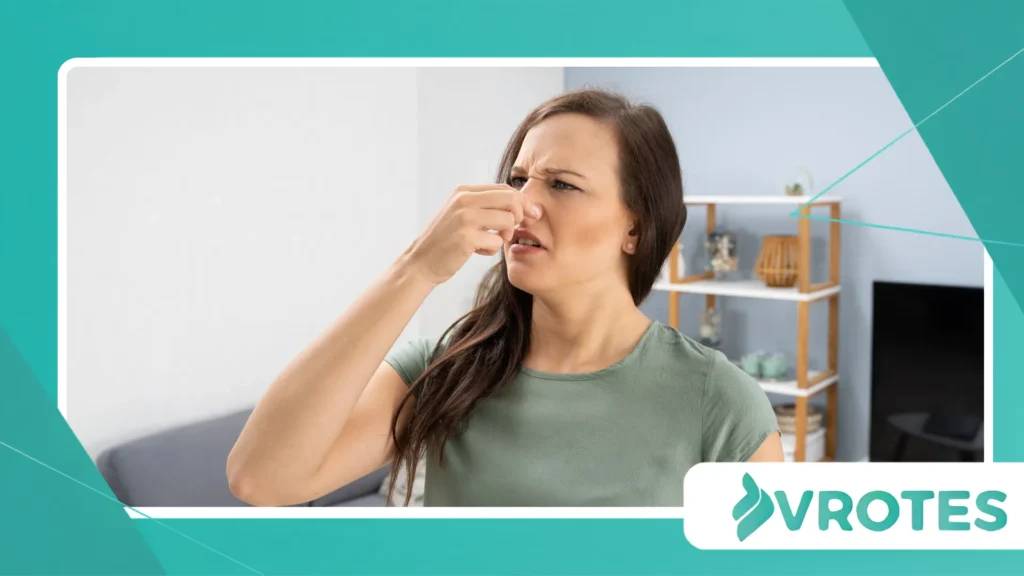
Apa Itu Bau-Bau Hantu Selama Perimenopause?
Para profesional medis secara klinis menyebut persepsi spesifik terhadap bau-bauan tertentu yang sama sekali tidak ada di lingkungan fisik Anda saat ini sebagai suatu kondisi yang disebut phantosmia.
Banyak wanita yang memasuki usia akhir tiga puluhan atau empat puluhan terkadang tiba-tiba mendeteksi aroma aneh seperti karet terbakar, asap rokok lama, atau bahan kimia menyengat tanpa penjelasan logis apa pun.
Mendeteksi aroma aneh ini seringkali memicu kecemasan pribadi yang hebat, menyebabkan banyak individu yang sehat secara diam-diam mempertanyakan kesehatan kognitif dan stabilitas mental mereka secara keseluruhan.
Pasien tidak perlu khawatir karena halusinasi penciuman yang terisolasi sering kali merupakan gangguan neurologis yang sama sekali tidak berbahaya, meskipun sangat menjengkelkan, dan terkait langsung dengan perubahan alami sistem endokrin.
Selama episode-episode ini, otak Anda salah menafsirkan sinyal listrik acak dari rongga hidung sebagai pemicu lingkungan yang nyata, menciptakan ilusi sensorik yang sangat jelas dan meyakinkan.
Bagaimana Penurunan Estrogen Mempengaruhi Sistem Penciuman Anda?
Estrogen yang beredar secara alami memainkan peran pengaturan yang sangat penting dalam menjaga kesehatan, kelembapan, dan fungsi jangka panjang selaput lendir yang terletak di seluruh tubuh Anda.
Setiap kali produksi hormon ovarium menjadi semakin tidak stabil, saluran hidung Anda yang sensitif sering kali mulai mengalami kekeringan internal yang tidak biasa dan peningkatan peradangan jaringan seluler secara signifikan.
Perubahan struktural mikroskopis tersebut berdampak negatif pada reseptor penciuman yang sangat sensitif, yang terutama bertanggung jawab untuk menangkap secara akurat dan mengirimkan molekul aroma kompleks secara efisien langsung ke neuron sensorik.
Jaringan hidung yang mengalami dehidrasi kronis dapat dengan mudah mengirimkan sinyal sensorik yang salah arah di sepanjang saraf kranial yang penting, yang pada akhirnya mengakibatkan serangan mendadak dan sangat tidak terduga. Bau-bauan Hantu.
Selain itu, fluktuasi hormon yang cepat secara langsung mengubah kadar neurotransmiter vital jauh di dalam otak, secara fundamental memodifikasi cara data sensorik yang masuk diproses dan pada akhirnya dipersepsikan secara mental.
Individu yang tertarik dapat mengeksplorasi lebih lanjut bagaimana transisi hormonal yang kompleks memengaruhi fungsi neurologis dengan meninjau literatur klinis terperinci yang disediakan melalui Panduan komprehensif tentang gejala menopause dari Endocrine Society..
Melindungi lapisan dalam hidung Anda secara proaktif melalui hidrasi harian yang tepat tiba-tiba menjadi kebiasaan perawatan diri yang penting untuk meminimalkan gangguan sensorik yang sangat mengganggu dan membingungkan ini.
Kapan Anda Harus Memeriksakan Diri ke Dokter Jika Terjadi Perubahan pada Penciuman?
Meskipun fluktuasi hormonal alami menyebabkan perubahan sensorik yang tak terhitung jumlahnya, segera menyingkirkan kemungkinan kondisi medis lain yang mendasarinya tetap merupakan langkah penting untuk keselamatan pribadi.
Menjadwalkan evaluasi klinis komprehensif secepatnya sangat diperlukan jika gejala tidak biasa Anda terus berlanjut setiap hari atau semakin memburuk selama beberapa minggu berturut-turut.
Para ahli neurologi terkemuka sangat menyarankan untuk segera mencari perawatan medis darurat jika halusinasi penciuman yang menetap tiba-tiba disertai dengan sakit kepala hebat, perubahan penglihatan yang tidak terduga, atau kesulitan berbicara fisik yang nyata.
Dokter umum berpengalaman biasanya memulai diagnosis formal mereka dengan memeriksa secara cermat saluran hidung bagian dalam Anda untuk mencari infeksi sinus kronis tersembunyi atau polip hidung yang berpotensi menyumbat.
Kadang-kadang, alergi musiman yang sebelumnya tidak terdeteksi memicu peradangan jaringan lokal yang signifikan, meniru dengan sempurna gejala neurologis yang sangat mengganggu yang biasanya terkait dengan transisi endokrin wanita standar.
Mencatat gejala harian secara detail dan tekun sangat membantu dokter perawatan primer Anda dalam mengidentifikasi pola klinis yang jelas yang secara langsung menghubungkan episode bau tertentu dengan ketidakteraturan menstruasi yang berkelanjutan.
++ Menciptakan Kamar Tidur yang Sejuk dan Nyaman dengan Anggaran Terbatas
Meninjau data klinis terkini memberikan perspektif yang sangat baik mengenai seberapa sering wanita paruh baya melaporkan mengalami berbagai perubahan fisiologis yang tidak biasa selama perjalanan transisi menopause mereka yang seringkali tidak dapat diprediksi.

Perkiraan Prevalensi Gejala Sensorik Atipikal Selama Perimenopause (Data 2026)
| Kategori Gejala | Manifestasi Spesifik | Perkiraan Prevalensi pada Perimenopause |
| Vasomotor | Sensasi Panas dan Keringat Malam | 75% – 80% |
| Psikologis | Kecemasan & Perubahan Suasana Hati | 40% – 50% |
| Sensorik (Penciuman) | Phantosmia (Bau Khayalan) | 5% – 10% |
| Sensorik (Pendengaran) | Tinnitus (Telinga Berdenging) | 10% – 15% |
Mengapa Bau-Bau Ini Biasanya Tercium Tidak Menyenangkan?
Sebagian besar pasien yang mengalami aroma imajiner biasanya menggambarkan bau lingkungan yang sangat menyengat daripada aroma lingkungan yang menenangkan seperti bunga musim semi yang mekar atau aroma kue yang baru dipanggang.
Biologi evolusi klasik menunjukkan bahwa sistem penciuman kita yang sangat canggih pada awalnya berkembang terutama sebagai mekanisme peringatan penting untuk bertahan hidup yang dirancang khusus untuk mendeteksi bahaya lingkungan yang tersembunyi dengan cepat.
Oleh karena itu, setiap kali jalur neurologis penting mengalami gangguan secara acak, otak manusia yang cemas secara alami cenderung menafsirkan sinyal-sinyal yang sama sekali ambigu ini sebagai ancaman kimia atau biologis langsung.
Mengalami secara konsisten Bau-bauan Hantu Menyerupai asap beracun, makanan busuk, atau bahan kimia logam yang keras hanyalah mencerminkan sistem saraf Anda yang secara biologis memprioritaskan kelangsungan hidup dasar manusia di atas kenyamanan.
Kecemasan mendalam yang disebabkan oleh fluktuasi hormon estrogen yang terus-menerus dapat dengan mudah memperkuat persepsi biologis negatif ini, membuat bau kimia imajiner terasa sangat menyengat dan tak terhindarkan.
Baca selengkapnya: Bagaimana Sensasi Sengatan Listrik Berkaitan dengan Perubahan Menopause
Menyadari secara sadar keunikan evolusioner yang menarik ini biasanya sangat membantu dalam secara aktif mengurangi kepanikan psikologis yang hebat yang sering dikaitkan dengan tiba-tiba mencium sesuatu yang sangat salah di dekatnya.
Strategi apa saja yang membantu mengelola phantosmia secara efektif?
Menerapkan penyesuaian gaya hidup harian yang terarah secara sengaja seringkali memberikan kelegaan pribadi yang substansial bagi banyak wanita yang berjuang dengan halusinasi sensorik yang terus-menerus selama fase transisi hormonal mereka yang unik dan penuh tantangan.
Penggunaan rutin semprotan hidung saline steril berkualitas tinggi secara andal menjaga lapisan mukosa bagian dalam yang sensitif tetap lembap dan jauh lebih tahan terhadap iritasi seluler yang tidak terduga.
Pelatihan penciuman terstruktur secara lembut melibatkan penciuman sadar terhadap minyak esensial yang sangat kuat dan sangat familiar seperti kayu putih mentah atau lemon segar untuk mengkalibrasi ulang jalur saraf yang kacau dengan aman sepenuhnya.
Teknik manajemen stres harian yang telah terbukti, termasuk meditasi pernapasan penuh kesadaran atau yoga malam yang lembut, secara signifikan menurunkan kadar kortisol dalam darah, dan secara aktif mengurangi hipersensitivitas neurologis secara keseluruhan di seluruh tubuh.
Beberapa praktisi perawatan kesehatan integratif terkemuka sangat merekomendasikan mengonsumsi suplemen asam lemak omega-3 berkualitas tinggi tertentu karena manfaat anti-inflamasinya yang sangat ampuh dalam mendukung kesehatan otak secara keseluruhan yang optimal.
++ Menggabungkan Protein dan Serat untuk Mengurangi Kebiasaan Ngemil di Malam Hari
Mendiskusikan secara terbuka pilihan terapi penggantian hormon modern dengan dokter kandungan bersertifikasi yang berpengalaman dapat memberikan jalur medis lain yang layak untuk menstabilkan fluktuasi sistem endokrin yang tidak menentu secara efektif.
Bagaimana Pola Makan dan Hidrasi Dapat Mempengaruhi Kesehatan Penciuman?
Pilihan nutrisi harian yang strategis tak dapat dipungkiri memainkan peran mendasar yang sangat penting dalam mendukung fungsi neurologis yang tepat dan menjaga kesehatan selaput lendir internal selama usia paruh baya.
Mengonsumsi air bersih yang disaring dalam jumlah cukup setiap hari memastikan jaringan internal Anda tetap terhidrasi dengan baik, secara aktif mencegah kekeringan mikroskopis parah yang memicu gangguan fungsi.
Membatasi secara ketat makanan olahan buatan dan gula makanan olahan berlebihan secara aktif mengurangi peradangan sistemik dalam tubuh, berpotensi mengurangi frekuensi gangguan sensorik aneh yang mengganggu setiap hari.
Dengan sengaja memasukkan sayuran berwarna-warni yang kaya antioksidan ke dalam diet Anda, Anda mendapatkan perlindungan seluler yang sangat penting, dan secara luar biasa mendukung jaringan saraf kompleks dan rapuh yang secara langsung bertanggung jawab atas identifikasi aroma sehari-hari yang sangat akurat.
Berhasil mengelola Bau-bauan Hantu Pada dasarnya, hal ini membutuhkan pandangan holistik terhadap tubuh Anda yang berubah dengan cepat, dengan menyadari bahwa penyesuaian pola makan yang sangat sederhana seringkali menghasilkan manfaat terapeutik jangka panjang yang sangat ampuh.

Merangkul Kesejahteraan Holistik Selama Masa Transisi Paruh Baya Anda
Mengalami gejala fisiologis yang sangat tidak biasa secara tiba-tiba, seperti halusinasi penciuman harian yang tak terduga, tentu saja menciptakan momen kecemasan pribadi yang mendalam bagi banyak wanita yang memasuki usia empat puluhan yang rentan.
Memperoleh pemahaman ilmiah yang sangat jelas tentang bagaimana penurunan estrogen sistemik memengaruhi fungsi saraf sensorik akan langsung menghilangkan misteri psikologis yang menakutkan seputar kondisi aneh ini.
Selalu ingat untuk segera berkonsultasi dengan tenaga kesehatan lokal yang sangat terpercaya setiap kali gejala fisik baru tiba-tiba muncul, dengan memprioritaskan keselamatan pribadi dan ketenangan mental jangka panjang Anda.
Untuk mengakses wawasan tambahan yang sepenuhnya andal dan komprehensif tentang cara berhasil mengelola perubahan kesehatan di usia paruh baya yang membuat frustrasi, mohon pertimbangkan untuk menjelajahi Pedoman ahli dari North American Menopause Society tentang pengelolaan gejala..
Pertanyaan yang Sering Diajukan
Apakah bau-bauan yang tidak tercium merupakan gejala permanen penuaan?
Untungnya, gangguan sensorik yang sangat menjengkelkan ini hampir jarang menjadi kondisi fisiologis permanen, biasanya menghilang sepenuhnya dengan sendirinya setelah kadar hormon internal Anda akhirnya stabil pasca-menopause.
Aroma spesifik apa yang biasanya dialami wanita saat berhalusinasi?
Sebagian besar pasien klinis kontemporer umumnya melaporkan sering mendeteksi aroma lingkungan yang sangat tidak menyenangkan dan sangat menyengat, seperti bau karet kendaraan yang terbakar, asap rokok basi, atau asap kimia logam yang pekat.
Bisakah stres berat secara langsung menyebabkan episode phantosmia?
Stres psikologis kronis yang tidak dikelola dengan baik secara dramatis meningkatkan peradangan sistemik tersembunyi dan sensitivitas neurologis secara keseluruhan, yang benar-benar dapat memicu atau memperburuk secara nyata episode halusinasi penciuman ringan yang sudah ada sebelumnya.
Haruskah saya mencoba dekongestan hidung yang dijual bebas untuk meredakan gejala?
Obat dekongestan kimia standar yang dijual bebas seringkali memperburuk kekeringan mukosa hidung yang mendasarinya, sehingga spesialis THT terkemuka biasanya merekomendasikan untuk hampir selalu menggunakan semprotan pelembap saline steril yang sangat lembut dan bebas pengawet.
++ Apakah Anda Mencium Bau Itu? Bau-Bau Misterius di Masa Menopause