
Menopause and Calf Strength: The Key to Circulation Support

The often-overlooked connection between Menopause and Calf Strength is a critical piece in the puzzle of healthy aging.
Anúncios
As women navigate the transition of menopause, subtle yet profound physiological shifts occur.
Hormonal fluctuations, primarily the decline in estrogen, affect musculoskeletal health across the entire body.
While attention often focuses on bone density and core strength, neglecting the lower extremities is a mistake.
The calves, those hardworking muscles in the back of the lower leg, are more than just aesthetic components; they are indispensable for stability, posture, and circulatory function.
Anúncios
A decline in their strength can significantly impact daily life and future mobility.
What is the Link Between Hormonal Shifts and Muscle Atrophy in the Calves?
The perimenopausal and postmenopausal phases bring a natural decline in muscle mass, known as sarcopenia.
Estrogen plays a crucial, protective role in maintaining muscle integrity and synthesis. Reduced estrogen accelerates muscle protein breakdown and hinders regeneration.
This systemic effect does not spare the calves. Consequently, this leads to a reduction in the fast-twitch muscle fibers vital for explosive movements.
This loss compromises reaction time and the ability to prevent a fall.
The calves’ soleus muscle, important for sustained standing, also suffers a measurable reduction in strength and endurance.
How Does Decreased Calf Strength Affect Daily Mobility and Balance Post-Menopause?
Imagine your body as a magnificent, sophisticated building. The foundation is critical for the structural integrity.
Your calves are the literal foundation for stable, efficient movement. Weakened calf muscles compromise balance and gait.
Every step requires a powerful push-off from the calves, propelling the body forward. When this power diminishes, a woman unconsciously adopts a shuffling gait.
This change reduces stride length and increases the risk of tripping over minor obstacles.
Consider the simple act of climbing stairs or stepping off a curb—these become tasks requiring disproportionate effort.
This functional decline often initiates a vicious cycle of reduced activity.
Can Focusing on Calf Strength Be a Marker for Overall Musculoskeletal Health During Menopause?
Absolutely. The state of the calf muscles can offer an excellent, accessible snapshot of systemic muscle health.
They are highly active in daily life, providing constant feedback on neuromuscular function.
Targeting this muscle group through specialized exercises often yields noticeable improvements quickly.
Read more: How Yoga Can Help Regulate Temperature Fluctuations
This success fosters a sense of agency and encourages adherence to a broader fitness regime.
This holistic approach means addressing strength throughout the entire kinetic chain.
A strong lower leg ensures better force transmission to the knees and hips. It creates a robust foundation for all other forms of exercise.
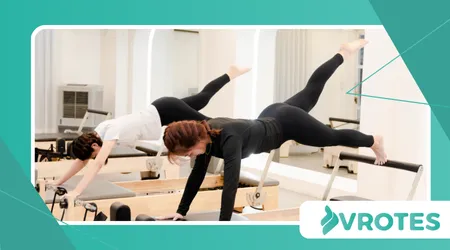
What Specific Exercises Effectively Target Calf Strength for Women Over 50?
While the classic calf raise is fundamental, we must diversify the training stimulus to be truly effective.
The traditional standing calf raise targets the gastrocnemius, the large, superficial calf muscle. Crucially, the seated calf raise specifically isolates the deeper soleus muscle.
The soleus is paramount for endurance and posture. Varying foot positions in standing raises (toes in, out, and straight) ensures comprehensive development.
Check this out: Low-Impact Cardio Options for Hot Flash Management
A 2023 study published in the Journal of Women & Aging found that postmenopausal women who engaged in a three-month progressive resistance training protocol showed an average increase in calf muscle cross-sectional area of 5.4%.
Furthermore, incorporating single-leg balance work is key to translating strength into functional stability.
This trains the smaller, stabilizing muscles in the foot and ankle. For example, performing a single-leg heel raise challenges balance and power simultaneously.
Integrating plyometric-style movements, like low-impact ankle hops, also helps maintain the elasticity of the Achilles tendon.
Why is Calf Power Critical for Circulation and Venous Return in Later Life?
This is where the calf muscles demonstrate their vital, non-locomotive function—the “muscle pump.”
As you contract your calf muscles, they squeeze the deep veins in the lower leg. This action propels deoxygenated blood back toward the heart, working against gravity.
See how interesting: How Declining Progesterone Affects Sleep Quality
Weak calf muscles translate directly into an inefficient pump mechanism. This can contribute to conditions like edema and chronic venous insufficiency.
Maintaining strong calf muscles is an active form of circulatory self-care. It’s an easy, accessible way to support cardiovascular health from the ground up.
How Can Women Overcome the Psychological Barriers to Prioritizing Lower Body Strength Training?
The psychological aspect of fitness during and after menopause cannot be overstated.
Many women prioritize cardio or abdominal work over what they perceive as “heavy” weight training.
Shifting the narrative from “bulking up” to “preserving independence” is essential.
When a woman realizes that the strength of her lower legs directly influences whether she can pick up a grandchild or travel confidently, the motivation changes.
It becomes a non-negotiable component of her quality of life.
Think of your calves not as simple legs, but as the engine of a Formula 1 race car.
A powerful, finely tuned engine (strong calves) provides the critical traction and acceleration needed to navigate life’s unexpected corners (uneven surfaces, quick stops).
A neglected engine (weak calves) struggles, leading to slower reactions and a higher risk of a breakdown (fall).
Is Training for Menopause and Calf Strength a Lifelong Endeavor?
Yes, and the beautiful aspect is that these muscles are incredibly responsive to training, even in later life.
Consistency, not intensity, is the ultimate goal. Even short, targeted sessions several times a week can maintain and build functional strength.
The commitment to maintaining Menopause and Calf Strength is an investment that pays dividends daily, ensuring robustness.
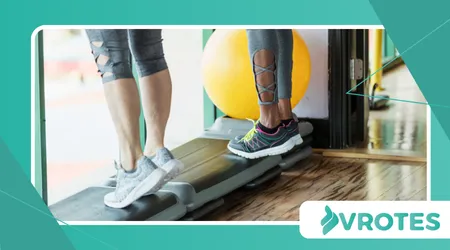
Functional Calf Strength Progression
| Phase | Goal | Example Exercise | Reps/Sets |
| Foundational | Basic Strength & Range of Motion | Seated Calf Raise (Controlled) | 3 sets of 15 reps |
| Progression | Functional Strength & Stability | Single-Leg Standing Calf Raise (Assisted) | 3 sets of 10-12 reps per leg |
| Integration | Power & Balance | Single-Leg Heel Drops (off a step) | 3 sets of 8 reps per leg |
Menopause and Calf Strength: What is the Bottom Line?
The reality is that age-related changes are inevitable, but decline is not. Prioritizing Menopause and Calf Strength is a proactive step toward maintaining autonomy.
A simple, daily practice of heel raises, done while waiting for coffee to brew or brushing teeth, accumulates significant benefit over time.
Why wait for a fall to recognize the vital role these muscles play? Building strength now safeguards your future independence and vitality.
For any woman navigating this life stage, optimizing Menopause and Calf Strength should move from an option to a priority.
Frequently Asked Questions
What is the best way to start training my calves after menopause?
Begin with gentle wall stretches to improve flexibility, followed by seated calf raises with minimal resistance.
Focus on a full range of motion and controlled movements before progressing to standing exercises.
How often should I train my calf muscles?
Aim for 2 to 3 non-consecutive days per week. The calf muscles can tolerate higher frequency, but ensure you allow 48 hours for recovery between heavy sessions.
Does walking count as calf training?
Walking is excellent for endurance but generally does not build significant strength unless you incorporate steep inclines or resistance.
Targeted strength exercises are necessary for muscle hypertrophy.
How quickly can I see results in calf strength?
While functional improvements in balance and endurance can be felt within 4-6 weeks, measurable strength gains typically take 8-12 weeks of consistent, progressive training.
++ The surprising link between calf muscles and dementia
++ Menopause, leg pain and muscle tension: 8 tips for relief