
Menopause and Restless Leg Syndrome

Menopause and Restless Leg Syndrome (RLS) represent a complex intersection of hormonal shifts and neurological responses that significantly impact sleep quality for millions of women globally.
Anúncios
Understanding this connection is essential for managing the transition through perimenopause and beyond, as fluctuating estrogen levels often trigger or worsen sensory symptoms in the lower limbs.
Summary of Contents
- The Hormonal Link: How estrogen affects dopamine and nerve signaling.
- Symptom Identification: Recognizing the “creepy-crawly” sensations during the night.
- Root Causes: Investigating iron deficiency, magnesium gaps, and vascular health.
- Practical Solutions: Lifestyle adjustments, medical interventions, and targeted supplementation.
- Data Analysis: A comparative look at RLS prevalence across different life stages.
What is the connection between Menopause and Restless Leg Syndrome?
Science suggests that Menopause and Restless Leg Syndrome are linked through the neuroprotective qualities of estrogen, which modulates dopamine receptors in the central nervous system.
When estrogen levels decline sharply during perimenopause, the brain’s dopamine signaling can become erratic, leading to the involuntary urges to move legs typical of RLS.
Furthermore, the vasomotor symptoms of menopause, such as hot flashes and night sweats, create a state of hyperarousal that lowers the threshold for RLS triggers.
Anúncios
Why does RLS worsen during the menopausal transition?
Research indicates that Menopause and Restless Leg Syndrome often collide due to declining ferritin levels, as heavy menstrual bleeding during perimenopause depletes essential iron stores.
Iron is a critical cofactor for dopamine production; without sufficient levels, the basal ganglia cannot effectively regulate muscle movements, resulting in uncomfortable nocturnal sensations.
Additionally, the drop in progesterone—a hormone with natural sedative and muscle-relaxing properties—leaves the nervous system more vulnerable to the excitatory signals that characterize RLS.
How does sleep deprivation exacerbate these symptoms?
The relationship between Menopause and Restless Leg Syndrome creates a cyclical pattern where poor sleep increases pain sensitivity and reduces the physiological ability to manage stress.
Chronic insomnia, a hallmark of the menopausal years, prevents the brain from entering deep REM cycles where muscle repair and neurotransmitter stabilization occur most efficiently.
Read more: Why Menopause Can Affect Your Teeth—and What to Do
When a woman is exhausted, her nervous system becomes “jittery,” making the unpleasant sensations of RLS feel significantly more intense and harder to ignore.

Which nutritional deficiencies impact Menopause and Restless Leg Syndrome?
Magnesium deficiency is incredibly common during the midlife transition and plays a pivotal role in how Menopause and Restless Leg Syndrome manifest in daily life.
This mineral acts as a natural calcium blocker, helping muscles relax after contraction; therefore, a lack of magnesium leads to the persistent “twitching” associated with RLS.
According to the National Institutes of Health (NIH), magnesium is vital for over 300 biochemical reactions, including those regulating nerve conduction and muscle function.
What are the most effective treatments for RLS in 2025?
Managing Menopause and Restless Leg Syndrome requires a multi-faceted approach that addresses both the hormonal environment and the specific neurological triggers of limb movement.
Physicians often recommend Hormone Replacement Therapy (HRT) to stabilize estrogen, which can indirectly improve RLS symptoms by enhancing overall sleep architecture and dopamine regulation.
Read here: Menopause and Vision Changes: What to Expect
Non-pharmacological interventions, such as pneumatic compression sleeves, weighted blankets, and moderate evening exercise, provide significant relief for many women seeking to avoid traditional dopamine agonists.
Comparative Data: RLS Prevalence and Factors
| Life Stage | RLS Prevalence (%) | Primary Biological Trigger | Common Co-factor |
| Pre-menopause | 5% – 10% | Genetic predisposition | Iron deficiency (Anemia) |
| Perimenopause | 15% – 22% | Fluctuating Estrogen | Heavy Menstrual Cycles |
| Post-menopause | 25% – 30% | Low Dopamine Activity | Chronic Inflammation |
| General Population | 7% – 10% | Neurological factors | Sedentary lifestyle |
How can lifestyle changes provide immediate relief? Menopause and Restless Leg Syndrome
Establishing a rigorous “sleep hygiene” protocol is the first line of defense against the disruptive nature of Menopause and Restless Leg Syndrome for most women.
Avoiding caffeine, alcohol, and nicotine in the late afternoon is crucial, as these substances are known triggers that irritate the peripheral nerves and worsen leg restlessness.
++ How Texture in Food Impacts Satiety Signals
Yoga and stretching specifically targeting the calves and hamstrings before bed can help “reset” the sensory feedback loops that cause the urge to move during rest.
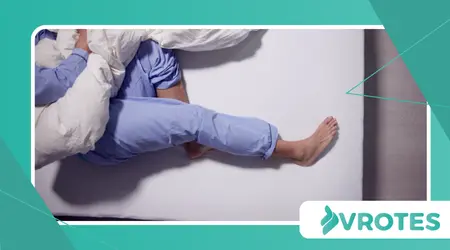
When should you consult a specialist about leg discomfort?
If the symptoms of Menopause and Restless Leg Syndrome prevent you from falling asleep more than three nights a week, seeking professional medical advice is imperative.
A sleep study or blood panel can rule out underlying conditions like peripheral neuropathy, kidney dysfunction, or severe iron deficiency anemia that mimic RLS symptoms.
Early intervention prevents the development of secondary depression and anxiety, which frequently arise when chronic sleep deprivation goes untreated for extended periods during menopause.
Menopause and Restless Leg Syndrome
The intersection of Menopause and Restless Leg Syndrome is a significant health challenge that demands a proactive, informed approach to restore quality of life and restorative sleep.
By addressing hormonal imbalances, correcting nutritional gaps, and implementing strategic lifestyle shifts, women can successfully navigate this transition and quiet the “restless” signals of their nervous system.
For more comprehensive guidance on navigating hormonal health and neurological wellness, visit the North American Menopause Society (NAMS) for evidence-based resources and provider directories.
Frequently Asked Questions
Can Hormone Replacement Therapy (HRT) cure RLS?
While HRT is not a specific cure for RLS, it often reduces symptoms by stabilizing the hormonal fluctuations that interfere with dopamine signaling and sleep quality.
Is RLS a permanent condition after menopause?
Not necessarily; many women find that once their hormones stabilize in post-menopause and nutritional deficiencies are corrected, the frequency and intensity of RLS decrease significantly.
Does exercise help or hurt Restless Leg Syndrome?
Moderate exercise, such as walking or swimming, is highly beneficial, but extreme, high-intensity workouts late in the evening may actually trigger an RLS episode.
Are there specific foods to avoid for RLS?
High-sugar foods and processed carbohydrates can increase inflammation and lead to blood sugar spikes that disrupt sleep and aggravate the nervous system’s sensitivity.
Can stress trigger menopausal RLS?
Yes, high cortisol levels can exacerbate neurological symptoms, making it essential to incorporate stress-reduction techniques like meditation or deep breathing into your nightly routine.