
Menopaus dan Sindrom Kaki Gelisah

iklan
Menopaus dan Sindrom Kaki Gelisah (RLS) mewakili persilangan kompleks perubahan hormon dan tindak balas neurologi yang memberi kesan ketara kepada kualiti tidur bagi berjuta-juta wanita di seluruh dunia.
Memahami hubungan ini adalah penting untuk menguruskan peralihan melalui perimenopaus dan seterusnya, kerana tahap estrogen yang berubah-ubah sering mencetuskan atau memburukkan lagi gejala deria pada bahagian bawah badan.
Ringkasan Kandungan
- Pautan Hormon: Bagaimana estrogen mempengaruhi dopamin dan isyarat saraf.
- Pengenalpastian Simptom: Mengenali sensasi "merangkak menyeramkan" pada waktu malam.
- Punca-punca Utama: Menyiasat kekurangan zat besi, jurang magnesium, dan kesihatan vaskular.
- Penyelesaian Praktikal: Pelarasan gaya hidup, intervensi perubatan dan suplemen yang disasarkan.
- Analisis Data: Tinjauan perbandingan prevalens RLS merentasi peringkat kehidupan yang berbeza.
Apakah hubungan antara Menopaus dan Sindrom Kaki Resah?
Sains mencadangkan bahawa Menopaus dan Sindrom Kaki Gelisah dikaitkan melalui kualiti neuroprotektif estrogen, yang memodulasi reseptor dopamin dalam sistem saraf pusat.
Apabila tahap estrogen menurun mendadak semasa perimenopause, isyarat dopamin otak boleh menjadi tidak menentu, yang membawa kepada keinginan sukarela untuk menggerakkan kaki yang tipikal bagi RLS.
Tambahan pula, simptom vasomotor menopaus, seperti rasa panas dan berpeluh malam, mewujudkan keadaan hiperarousal yang menurunkan ambang pencetus RLS.
iklan
Mengapakah RLS bertambah buruk semasa peralihan menopaus?
Kajian menunjukkan bahawa Menopaus dan Sindrom Kaki Gelisah sering bertembung akibat penurunan tahap feritin, kerana pendarahan haid yang banyak semasa perimenopaus menghabiskan simpanan zat besi penting.
Zat besi merupakan kofaktor penting untuk penghasilan dopamin; tanpa tahap yang mencukupi, ganglia basal tidak dapat mengawal pergerakan otot dengan berkesan, mengakibatkan sensasi pada waktu malam yang tidak selesa.
Selain itu, penurunan progesteron—hormon dengan sifat sedatif semula jadi dan pengenduran otot—menjadikan sistem saraf lebih terdedah kepada isyarat pengujaan yang mencirikan RLS.
Bagaimanakah kekurangan tidur memburukkan lagi gejala-gejala ini?
Hubungan antara Menopaus dan Sindrom Kaki Gelisah mewujudkan corak kitaran di mana tidur yang kurang baik meningkatkan sensitiviti kesakitan dan mengurangkan keupayaan fisiologi untuk menguruskan tekanan.
Insomnia kronik, ciri utama tahun-tahun menopaus, menghalang otak daripada memasuki kitaran REM yang mendalam di mana pembaikan otot dan penstabilan neurotransmiter berlaku dengan paling cekap.
Baca lebih lanjut: Mengapa Menopaus Boleh Mempengaruhi Gigi Anda—dan Apa yang Perlu Dilakukan
Apabila seorang wanita keletihan, sistem sarafnya menjadi "gelisah", menjadikan sensasi RLS yang tidak menyenangkan terasa jauh lebih kuat dan lebih sukar untuk diabaikan.
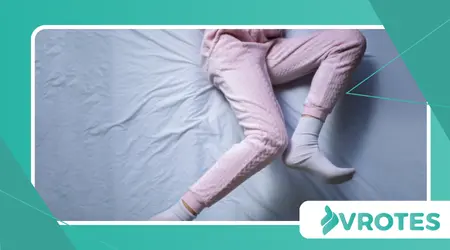
Kekurangan nutrisi yang manakah memberi kesan kepada Menopaus dan Sindrom Kaki Resah?
Kekurangan magnesium adalah sangat biasa semasa peralihan pertengahan umur dan memainkan peranan penting dalam bagaimana Menopaus dan Sindrom Kaki Gelisah nyata dalam kehidupan seharian.
Mineral ini bertindak sebagai penyekat kalsium semula jadi, membantu otot berehat selepas pengecutan; oleh itu, kekurangan magnesium menyebabkan "kedutan" berterusan yang berkaitan dengan RLS.
Menurut Institut Kesihatan Kebangsaan (NIH), magnesium adalah penting untuk lebih 300 tindak balas biokimia, termasuk tindak balas yang mengawal selia pengaliran saraf dan fungsi otot.
Apakah rawatan paling berkesan untuk RLS pada tahun 2025?
Mengurus Menopaus dan Sindrom Kaki Gelisah memerlukan pendekatan pelbagai aspek yang menangani kedua-dua persekitaran hormon dan pencetus neurologi khusus pergerakan anggota badan.
Doktor sering mengesyorkan Terapi Penggantian Hormon (HRT) untuk menstabilkan estrogen, yang secara tidak langsung boleh memperbaiki simptom RLS dengan meningkatkan keseluruhan seni bina tidur dan pengawalaturan dopamin.
Baca di sini: Menopaus dan Perubahan Penglihatan: Apa yang Diharapkan
Intervensi bukan farmakologi, seperti sarung mampatan pneumatik, selimut berwajaran dan senaman petang yang sederhana, memberikan kelegaan yang ketara bagi ramai wanita yang ingin mengelakkan agonis dopamin tradisional.
Data Perbandingan: Prevalens dan Faktor RLS
| Peringkat Kehidupan | Kelaziman RLS (%) | Pencetus Biologi Utama | Faktor Bersama Sepunya |
| Pra-menopaus | 5% – 10% | Kecenderungan genetik | Kekurangan zat besi (Anemia) |
| Perimenopaus | 15% – 22% | Estrogen yang Berfluktuasi | Kitaran Haid yang Berat |
| Pasca-menopaus | 25% – 30% | Aktiviti Dopamin Rendah | Keradangan Kronik |
| Populasi Umum | 7% – 10% | Faktor neurologi | Gaya hidup tidak aktif |
Bagaimanakah perubahan gaya hidup dapat memberikan kelegaan segera? Menopaus dan Sindrom Kaki Gelisah
Mewujudkan protokol "kebersihan tidur" yang ketat adalah barisan pertahanan pertama terhadap sifat mengganggu Menopaus dan Sindrom Kaki Gelisah bagi kebanyakan wanita.
Mengelakkan kafein, alkohol dan nikotin pada lewat petang adalah penting, kerana bahan-bahan ini diketahui sebagai pencetus yang merengsakan saraf periferi dan memburukkan lagi kegelisahan kaki.
++ Bagaimana Tekstur dalam Makanan Mempengaruhi Isyarat Rasa Kenyang
Yoga dan regangan yang khusus menyasarkan betis dan hamstring sebelum tidur boleh membantu "menetapkan semula" gelung maklum balas deria yang menyebabkan keinginan untuk bergerak semasa rehat.
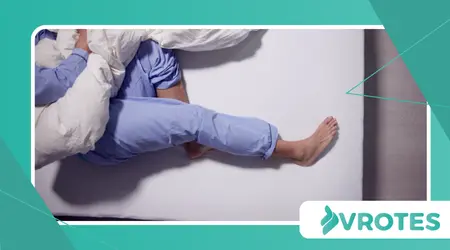
Bilakah anda perlu berunding dengan pakar tentang ketidakselesaan kaki?
Jika gejala-gejala Menopaus dan Sindrom Kaki Gelisah Untuk mengelakkan anda daripada tertidur lebih daripada tiga malam seminggu, mendapatkan nasihat perubatan profesional adalah penting.
Kajian tidur atau panel darah boleh menolak keadaan asas seperti neuropati periferal, disfungsi buah pinggang, atau anemia kekurangan zat besi yang teruk yang menyerupai gejala RLS.
Intervensi awal mencegah perkembangan kemurungan dan keresahan sekunder, yang kerap timbul apabila kekurangan tidur kronik tidak dirawat untuk tempoh yang lama semasa menopaus.
Menopaus dan Sindrom Kaki Gelisah
Persimpangan Menopaus dan Sindrom Kaki Gelisah merupakan cabaran kesihatan yang ketara yang memerlukan pendekatan proaktif dan bermaklumat untuk memulihkan kualiti hidup dan tidur yang nyenyak.
Dengan menangani ketidakseimbangan hormon, membetulkan jurang pemakanan dan melaksanakan perubahan gaya hidup strategik, wanita boleh berjaya mengharungi peralihan ini dan menenangkan isyarat "resah" sistem saraf mereka.
Untuk panduan yang lebih komprehensif tentang menavigasi kesihatan hormon dan kesejahteraan neurologi, lawati Persatuan Menopaus Amerika Utara (NAMS) untuk sumber berasaskan bukti dan direktori penyedia.
Soalan Lazim
Bolehkah Terapi Penggantian Hormon (HRT) menyembuhkan RLS?
Walaupun HRT bukanlah penawar khusus untuk RLS, ia sering mengurangkan gejala dengan menstabilkan turun naik hormon yang mengganggu isyarat dopamin dan kualiti tidur.
Adakah RLS merupakan keadaan kekal selepas menopaus?
Tidak semestinya; ramai wanita mendapati bahawa sebaik sahaja hormon mereka stabil selepas menopaus dan kekurangan nutrisi diperbetulkan, kekerapan dan intensiti RLS berkurangan dengan ketara.
Adakah senaman membantu atau memudaratkan Sindrom Kaki Resah?
Senaman sederhana, seperti berjalan kaki atau berenang, sangat bermanfaat, tetapi senaman berintensiti tinggi yang ekstrem pada lewat petang sebenarnya boleh mencetuskan episod RLS.
Adakah terdapat makanan khusus yang perlu dielakkan untuk RLS?
Makanan tinggi gula dan karbohidrat yang diproses boleh meningkatkan keradangan dan menyebabkan lonjakan gula dalam darah yang mengganggu tidur dan memburukkan lagi sensitiviti sistem saraf.
Bolehkah tekanan mencetuskan RLS menopaus?
Ya, tahap kortisol yang tinggi boleh memburukkan lagi gejala neurologi, menjadikannya penting untuk memasukkan teknik pengurangan tekanan seperti meditasi atau pernafasan dalam ke dalam rutin malam anda.