
Mengapa Latihan Berasaskan Hormon Penting dalam Menopaus
iklan
Menavigasi kecergasan pertengahan umur boleh terasa seperti menyelesaikan teka-teki dengan kepingan yang bergerak.
Ramai wanita menyedari bahawa rejimen senaman yang tepat yang memberikan otot tanpa lemak dan tenaga tanpa had pada usia dua puluhan mereka tiba-tiba menyebabkan sakit sendi, pertambahan berat badan yang degil dan keletihan yang berterusan.
Latihan yang peka terhadap hormon menyelesaikan masalah ini dengan menyelaraskan pergerakan fizikal anda dengan profil neuroendokrin perimenopaus dan menopaus yang berbeza.
Daripada melawan badan anda dengan sesi intensiti tinggi yang tidak berkesudahan, pendekatan pergerakan yang disasarkan ini berfungsi seiring dengan fisiologi peralihan anda.
Memahami perubahan biologi ini membantu anda membuat pelarasan yang tepat untuk memelihara tisu tanpa lemak, menyokong kesihatan rangka dan mengekalkan fungsi metabolik yang optimum.
iklan
Kesimpulan Utama
- Perubahan Biologi: Penurunan estrogen secara langsung memberi kesan kepada sintesis protein otot, ketumpatan mineral tulang dan kecekapan metabolik semasa menopaus.
- Penyelesaiannya: Latihan yang peka terhadap hormon mengalihkan tumpuan daripada kardio volum tinggi kepada latihan rintangan berat strategik dan pemulihan dinamik yang disasarkan.
- Pengurusan Kortisol: Latihan berlebihan meningkatkan kortisol, yang menggalakkan penyimpanan lemak viseral abdomen dan kehilangan otot semasa peralihan pertengahan umur.
- Pelarasan yang Boleh Dilaksanakan: Perubahan mudah dalam beban, tempoh pemulihan dan masa pemakanan mengoptimumkan komposisi badan dan tahap tenaga secara mendadak.

Apakah Latihan Berasaskan Hormon dalam Menopaus?
Latihan yang menyedari hormon ialah rangka kerja kekuatan dan pengkondisian yang tepat dan berasaskan bukti yang direka untuk menampung hormon pembiakan yang berubah-ubah dan menurun.
Semasa perimenopause dan menopaus, penghasilan estrogen dan progesteron dalam ovari menurun dengan ketara.
Perubahan sistemik ini mengubah cara otot anda membina, bagaimana badan anda membakar bahan api, dan seberapa cekap anda pulih daripada tekanan fizikal.
Protokol senaman standard selalunya mengandaikan garis dasar hormon yang stabil.
Sebaliknya, pendekatan yang peka terhadap hormon mengutamakan modaliti pergerakan tertentu—seperti latihan rintangan berat, beban berlebihan progresif dan pliometrik halaju tinggi—untuk mengimbangi isyarat anabolik hormon yang hilang.
Dengan melaraskan ketegangan mekanikal, isipadu latihan dan tempoh pemulihan, kaedah latihan ini melindungi tisu tanpa lemak yang penting.
Daripada berusaha untuk mencapai perbelanjaan kalori maksimum melalui keletihan semata-mata, matlamatnya beralih ke arah merangsang penyesuaian selular, mengurangkan keradangan sistemik dan menyokong mobiliti berfungsi jangka panjang.
Bagaimanakah Kehilangan Estrogen Memberi Kesan Kepada Otot dan Metabolisme?
Estrogen berfungsi sebagai hormon anabolik utama dalam badan wanita, memainkan peranan penting dalam fungsi sel satelit otot dan sintesis kolagen.
Apabila tahap estrogen dalam darah menurun, wanita mengalami penurunan semula jadi dalam kualiti otot dan penghasilan daya, satu proses yang dikenali sebagai penurunan jisim otot.
Kecekapan metabolik berubah serentak. Tanpa tahap estrogen yang optimum, sel-sel otot menjadi kurang responsif terhadap insulin, yang mempengaruhi keberkesanan badan anda menyimpan dan menggunakan glukosa yang beredar.
Kajian yang diterbitkan oleh Institut Kesihatan Kebangsaan, menunjukkan bahawa persekitaran estrogen yang rendah menggalakkan pengumpulan adipositi viseral sambil mempercepatkan kehilangan ketumpatan mineral tulang.
Apabila rejimen latihan gagal mengambil kira perubahan biokimia khusus ini, tekanan sistemik meningkat, selalunya menyebabkan peningkatan penyimpanan lemak perut dan keletihan kronik.
Mengapa Kardio Tradisional Kurang Berkesan Semasa Pertengahan Umur?
Selama beberapa dekad, nasihat kecergasan standard menetapkan sesi kardio yang panjang dan stabil untuk pengurusan berat badan.
Walau bagaimanapun, semasa perimenopause dan menopaus, strategi ini sering menjadi bumerang disebabkan oleh tahap kortisol asas yang tinggi dalam peredaran darah.
Sesi keadaan stabil aerobik yang berpanjangan mengekalkan kepekatan kortisol yang tinggi tanpa menghasilkan ketegangan mekanikal yang mencukupi untuk merangsang sintesis protein otot.
++ Mengapa Latihan Penyegerakan Kitaran Berkembang untuk Menopaus
Kortisol yang tinggi digabungkan dengan estrogen yang rendah memberi isyarat kepada badan untuk memecahkan tisu otot tanpa lemak untuk bahan bakar, seterusnya menurunkan kadar metabolisme rehat anda.
Kardio Isipadu Tinggi + Estrogen Rendah = Kortisol Tinggi + Kehilangan Otot, Ketegangan Kekuatan Berat + Rehat yang Mencukupi = Isyarat Anabolik + Pengekalan Otot
Menggantikan senaman keadaan stabil yang berlebihan dengan kerja kekuatan berat yang strategik memberikan rangsangan neuromuskular yang kuat yang diperlukan untuk mengekalkan tisu tanpa lemak.
Tisu otot kekal sebagai organ metabolik anda yang paling kuat, dan merangsangnya melalui rintangan progresif kekal tidak boleh dirundingkan semasa peringkat kehidupan ini.
Bagaimanakah Anda Menstrukturkan Rutin Senaman yang Menyedari Hormon?
Mereka bentuk program yang berkesan memerlukan peralihan fokus daripada pembakaran kalori generik kepada rangsangan neuromuskular yang disasarkan.
++ Gabungan Minda-Badan: Kombo Yoga & Kekuatan untuk Pertengahan Umur
Pecahan berikut membandingkan tabiat senaman standard dengan pendekatan yang peka terhadap hormon yang direka khusus untuk menopaus:
| Komponen Kecergasan | Pendekatan Senaman Standard | Pendekatan Latihan Berasaskan Hormon | Faedah Biologi Utama |
| Fokus Kekuatan Utama | Ulangan tinggi dengan pemberat ringan (15–20 ulangan) | Ulangan rendah dengan pemberat berat (3–8 ulangan dengan usaha tinggi) | Merangsang ketumpatan tulang dan merekrut gentian otot yang cepat bergerak |
| Kerja Kardiovaskular | Keadaan stabil intensiti sederhana (joging 45–60 minit) | Latihan Selang Pecut (SIT) atau HIIT pendek (10–20 minit) | Meningkatkan kepekaan insulin tanpa peningkatan kortisol secara kronik |
| Selang Pemulihan | Rehat minimum antara set (30 saat) | Pemulihan penuh antara set berat (2–3 minit) | Menambah semula simpanan ATP-CP dan mengurangkan tindak balas tekanan latihan |
| Pliometrik & Kuasa | Ditinggalkan sepenuhnya kerana takut cedera | Kerja kuasa terkawal dan volum rendah (contohnya, squats lompat, slam bola perubatan) | Meningkatkan kekakuan tendon dan pemacu neuromuskular |
| Kekerapan | 6–7 hari seminggu dengan intensiti rendah | 3–4 hari seminggu dengan fokus yang tinggi dan pemulihan yang disengajakan | Mencegah keradangan sistemik kronik dan keletihan sistem saraf pusat |
Apakah Modaliti Pergerakan Terbaik untuk Wanita Menopaus?
Melaksanakan prinsip-prinsip kesedaran hormon melibatkan keutamaan empat tonggak pergerakan asas:
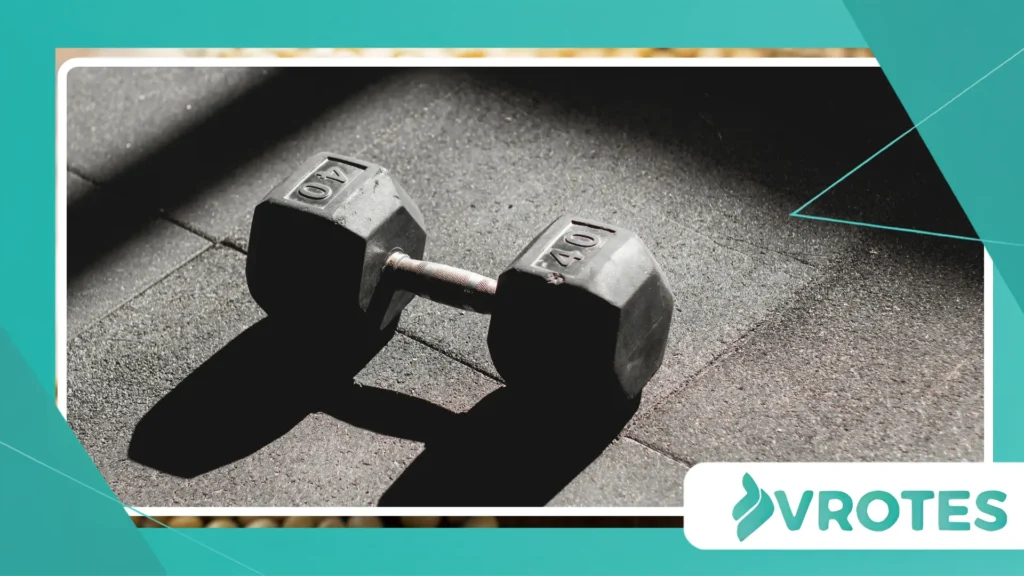
Latihan Rintangan Berat (HRT): Angkat beban yang mencabar otot sasaran anda dalam julat pengulangan 3 hingga 8.
Beban mekanikal ini mencetuskan sintesis protein otot dan memberi isyarat kepada osteoblas untuk membentuk tisu tulang baharu.
Latihan Selang Pecut (SIT): Lakukan senaman pendek dengan usaha maksimum yang berlangsung selama 15 hingga 30 saat, diikuti dengan rehat sepenuhnya. SIT meningkatkan kecergasan kardiovaskular dan kepekaan insulin dengan ketara dalam masa yang singkat.
Pliometrik Isipadu Rendah: Perkenalkan latihan lompatan atau terjunan terkawal untuk mengekalkan kuasa letupan dan integriti struktur sendi.
Baca lebih lanjut: Bagaimana Sarapan Savory Menyokong Kawalan Gula Darah yang Lebih Baik
Peraturan Penurunan Aktif: Luangkan masa untuk senaman pernafasan, berjalan, dan pergerakan. Menenangkan sistem saraf simpatetik dapat menurunkan tahap kortisol asas dan mempercepatkan pembaikan tisu.
Bagaimanakah Pemulihan dan Pemakanan Mempengaruhi Prestasi?
Latihan memberikan rangsangan, tetapi penyesuaian tisu berlaku secara eksklusif semasa pemulihan.
Mengurangkan tahap estrogen memanjangkan tempoh pemulihan yang diperlukan antara sesi latihan berat, menjadikan rehat yang disengajakan sama pentingnya dengan senaman itu sendiri.
Pemakanan yang tepat memainkan peranan penting dalam proses ini.
Pengambilan protein berkualiti tinggi yang mengandungi asid amino penting (khususnya leusina) dalam tempoh 30 hingga 60 minit selepas senaman memaksimumkan sintesis protein otot apabila isyarat hormon dikurangkan.
Panduan klinikal semasa yang diketengahkan oleh Klinik Mayomenekankan bahawa pengubahsuaian gaya hidup yang komprehensif—termasuk pengurusan tekanan, pemakanan yang disasarkan dan tidur yang mencukupi—adalah penting untuk menguruskan perubahan fisiologi menopaus dengan berkesan.
Mengurangkan tenaga atau tidur akan menjejaskan usaha latihan anda dan memburukkan lagi tekanan sistemik.
Bagaimanakah Anda Boleh Beralih kepada Rutin Berasaskan Hormon Hari Ini?
Peralihan ke arah rangka kerja yang mementingkan hormon memerlukan perubahan pemikiran. Anda tidak bermula semula; anda sedang menaik taraf protokol anda agar sepadan dengan biologi semasa anda.
Kurangkan Isipadu Kardio Kronik: Hadkan sesi kardio keadaan stabil pada 30 minit, atau tukarkannya dengan sesi selang masa yang pendek dan memerlukan usaha yang tinggi dua kali seminggu.
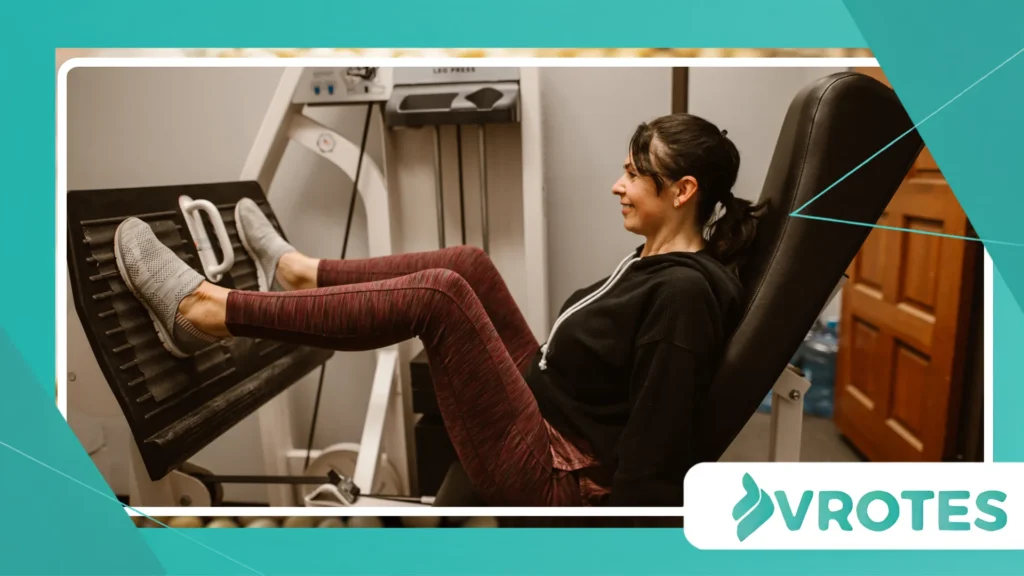
Utamakan Beban Progresif: Peralihan daripada beban yang lebih ringan dengan ulangan yang tinggi kepada beban yang lebih berat dengan tempoh rehat berstruktur. Tumpukan pada pergerakan kompaun seperti squats, deadlifts, overhead presses dan rows.
Isyarat Pemulihan Jejaki: Pantau kebolehubahan kadar denyutan jantung (HRV), kualiti tidur dan tahap tenaga harian. Laraskan intensiti senaman ke bawah apabila penanda pemulihan menurun.
Bahan Api Secara Agresif Selepas Latihan: Utamakan 30 hingga 40 gram protein berkualiti tinggi sejurus selepas sesi kekuatan untuk memulakan pembaikan otot.
Soalan Lazim
Bolehkah pemula memulakan latihan rintangan berat semasa perimenopause?
Ya, sudah tentu. Pemula harus bermula dengan menguasai mekanik berat badan asas sebelum menambah beban luaran secara progresif.
Bekerja dengan jurulatih kekuatan yang diperakui memastikan teknik yang betul, mencegah kecederaan sambil memberikan rangsangan mekanikal yang diperlukan untuk menyokong kepadatan tulang dan pemeliharaan otot.
Berapa hari seminggu anda perlu melakukan latihan berkaitan hormon?
Rutin yang seimbang biasanya merangkumi latihan kekuatan khusus selama 3 hingga 4 hari, ditambah dengan 1 hingga 2 sesi selang masa pendek dan pergerakan intensiti rendah harian yang mencukupi seperti berjalan kaki.
Pastikan anda menjadualkan sekurang-kurangnya 2 hari rehat penuh atau pemulihan aktif setiap minggu untuk menyokong pembaikan selular.
Adakah mengangkat berat akan menyebabkan pertambahan berat badan atau bentuk badan yang besar semasa menopaus?
Latihan rintangan berat membina tisu otot yang padat dan tanpa lemak dan bukannya pukal.
Oleh kerana kehilangan estrogen secara semula jadi mempercepatkan kehilangan otot, latihan kekuatan berat mencegah degradasi otot, meningkatkan kadar metabolisme rehat anda dan membantu mengekalkan komposisi badan yang ramping semasa pertengahan umur.
++ Mengapa Senaman Penting Semasa Menopaus
++ Mengapa Latihan Rintangan Penting untuk Umur Panjang Wanita Semasa Menopaus