
Resipi Mudah untuk Meningkatkan Pengambilan Serat untuk Kesihatan Penghadaman
iklan
Jika anda mahu to increase fiber intake for digestive health, incorporating high-fiber, whole-food recipes into your weekly routine is one of the most effective strategies available.
Fiber feeds your beneficial gut bacteria, regulates bowel movements, supports heart health, and helps stabilize blood sugar levels throughout the day.
Getting enough daily fiber shouldn’t feel like a chore or require eating bland bran cereal every morning.
Most adults only consume about 15 grams of fiber daily—far below the recommended 25 to 38 grams needed for optimal gut performance, smooth digestion, and sustained energy.
Simple meal adjustments can bridge this gap while keeping your meals delicious, satisfying, and quick to prepare.
iklan
Kesimpulan Utama
- The Fiber Gap: Why most Americans fall short of daily fiber goals and how simple recipes fix it.
- Soluble vs. Insoluble: How both types of fiber support your digestive ecosystem differently.
- High-Fiber Recipes: Quick breakfast, lunch, dinner, and snack ideas packed with natural dietary fiber.
- Hydration Rules: Crucial tips to prevent bloating or discomfort when raising your daily fiber intake.
Why Is Fiber Essential for Digestive Health?
Fiber acts as the primary fuel source for your digestive tract. Unlike carbohydrates, proteins, and fats, dietary fiber passes through your stomach and small intestine largely undigested.
Once it reaches your large intestine, it goes to work supporting gut motility, feeding probiotic microbes, and keeping your metabolic health on track.
Dietary fiber divides into two main categories, both vital for gut wellness:
Soluble Fiber: Dissolves in water to form a gel-like substance. It slows digestion, helping you feel full longer while lowering cholesterol and regulating blood glucose levels.
Insoluble Fiber: Attracts water into your stool, making it softer and easier to pass. It speeds up the transit of food and waste through your digestive tract to prevent constipation.
Nutrition research continues to emphasize the connection between fiber intake and chronic disease prevention.
Menurut Sekolah Kesihatan Awam Harvard TH Chan, diets rich in dietary fiber significantly reduce the risk of heart disease, type 2 diabetes, and diverticular disease.
What Are the Best High-Fiber Ingredients to Keep in Your Kitchen?
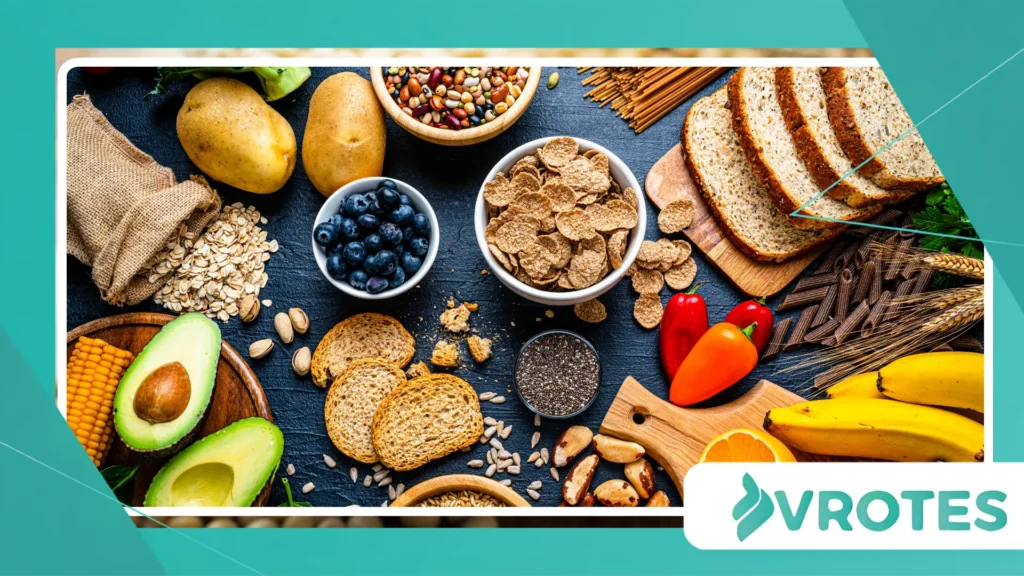
Stocking your pantry with versatile, high-fiber staples makes preparing gut-healthy meals effortless.
Having these nutrient-dense ingredients on hand ensures you can assemble a fiber-rich dish in under 15 minutes.
| Kategori Bahan | Top High-Fiber Choices | Average Fiber Content | Primary Digestive Benefit |
| Legumes & Pulses | Black beans, lentils, chickpeas, edamame | 7–9g per 1/2 cup (cooked) | Feeds beneficial gut microbes |
| Seeds & Nuts | Chia seeds, flaxseeds, almonds, pumpkin seeds | 5–10g per 2 tbsp | Promotes smooth bowel regularity |
| Bijirin Penuh | Rolled oats, quinoa, farro, bulgur | 4–6g per 1 cup (cooked) | Supports slow, steady digestion |
| Sayur-sayuran | Artichokes, Brussels sprouts, broccoli, green peas | 4–7g per 1 cup (cooked) | Adds bulk and essential antioxidants |
| Buah-buahan | Raspberries, blackberries, pears, apples with skin | 4–8g per 1 cup / medium fruit | Provides gentle soluble fiber |
Which Breakfast Recipes Offer the Highest Fiber Boost?
Starting your morning with a fiber-rich breakfast sets a stable baseline for your digestive system and prevents mid-morning energy crashes.
1. Overnight Berry Chia Pudding (approx. 11g Fiber)
Chia seeds rank among the most concentrated sources of soluble fiber on the planet. When soaked overnight, they absorb liquid and create a soothing, pudding-like consistency that aids gut motility.
Bahan-bahan: 3 tbsp chia seeds, 1 cup unsweetened almond milk, 1/2 cup fresh raspberries, 1 tbsp pumpkin seeds, 1/2 tsp vanilla extract.
++ Bagaimana Makanan Kaya Mineral Menyokong Fungsi Selular
Arahan: Whisk chia seeds, milk, and vanilla in a glass jar. Let sit for 10 minutes, stir again to break up clumps, and refrigerate overnight. Top with fresh raspberries and pumpkin seeds right before serving.
2. Savory Oat Bowl with Avocado and Poached Egg (approx. 8g Fiber)
Oats contain beta-glucan, a powerful soluble fiber proven to support healthy cholesterol levels and nourish probiotic bacteria.
Bahan-bahan: 1/2 cup rolled oats cooked in 1 cup low-sodium vegetable broth, 1 cup fresh baby spinach, 1 pasture-raised egg (poached), 1/4 avocado (sliced), sea salt and red pepper flakes.
Arahan: Cook rolled oats in vegetable broth over medium heat until tender.
Baca lebih lanjut: Bagaimana Sarapan Savory Menyokong Kawalan Gula Darah yang Lebih Baik
Fold in fresh spinach during the final minute until wilted. Transfer to a bowl, top with sliced avocado and a poached egg, and season with sea salt and red pepper flakes.
How Can You Prepare Quick, Fiber-Packed Lunches?
Midday meals should support steady energy without causing sluggishness. Combining legumes, dark leafy greens, and whole grains delivers a balanced mix of soluble and insoluble fiber.
3. Mediterranean Chickpea and Cucumber Salad (approx. 10g Fiber)
Chickpeas provide robust insoluble fiber that supports digestive regularity, while fresh cucumbers and herbs keep this dish light and crisp.
Bahan-bahan: 1 can (15 oz) low-sodium chickpeas (rinsed and drained), 1 diced English cucumber, 1 cup halved cherry tomatoes, 1/4 cup diced red onion, 1/4 cup crumbled feta cheese, and a lemon-olive oil dressing.
++ Bagaimana Ramalan Emosi Mempengaruhi Kesejahteraan Mental
Arahan: Combine chickpeas, cucumber, tomatoes, red onion, and feta in a large bowl.
Whisk extra virgin olive oil, fresh lemon juice, minced garlic, oregano, salt, and pepper in a small container. Pour dressing over the salad and toss gently to coat.

4. Warm Quinoa and Roasted Sweet Potato Bowl (approx. 9g Fiber)
Quinoa stands out as a complete plant protein that doubles as an excellent source of dietary fiber. Pairing it with roasted sweet potatoes adds prebiotic starches that nourish your microbiome.
Bahan-bahan: 1 cup cooked quinoa, 1 medium sweet potato (cubed and roasted), 2 cups raw kale (massaged with olive oil), 2 tbsp toasted sunflower seeds, and tahini dressing.
Arahan: Roast sweet potato cubes at 400°F (200°C) for 25 minutes until tender. Layer massaged kale, warm quinoa, and roasted sweet potato in a bowl. Sprinkle with sunflower seeds and drizzle with tahini dressing.
What Simple Dinner Recipes Best Support Gut Health?
Evening meals should focus on easy-to-digest nutrients that allow your gastrointestinal tract to rest and repair overnight.
5. Lentil and Veggie Coconut Curry (approx. 12g Fiber)
Lentils are digestive powerhouses loaded with folate, iron, and rich dietary fiber. Cooking them into a warm curry makes them easy to break down and absorb.
Bahan-bahan: 1 cup dry brown or green lentils (rinsed), 1 can (14 oz) light coconut milk, 2 cups low-sodium vegetable broth, 1 cup broccoli florets, 1 diced carrot, 1 tbsp yellow curry powder, 1 tsp grated ginger.
Arahan: Saute diced carrot and ginger in olive oil for 3 minutes. Add curry powder, lentils, coconut milk, and vegetable broth.
Bring to a boil, then simmer covered for 20 minutes. Stir in broccoli florets and cook for an additional 7–10 minutes until lentils are soft.
6. Sheet Pan Black Bean and Veggie Fajitas (approx. 11g Fiber)
Sheet pan meals minimize kitchen cleanup while delivering maximum flavor. Black beans contain slow-digesting carbohydrates and rich fiber that keep nighttime blood sugar stable.
Bahan-bahan: 1 can (15 oz) low-sodium black beans (rinsed), 2 bell peppers (sliced), 1 medium red onion (sliced), 1 tbsp avocado oil, 1 tsp cumin, 1 tsp smoked paprika, whole wheat tortillas.
Arahan: Toss sliced bell peppers and red onion with avocado oil, cumin, and paprika on a baking sheet. Roast at 420°F (215°C) for 18 minutes.
Add rinsed black beans to the pan and roast for 5 more minutes to warm through. Serve inside warm whole wheat tortillas with fresh cilantro and lime.
Which High-Fiber Snacks Can You Make in Minutes?
Snacking offers a strategic opportunity to hit your daily fiber intake targets without overeating during main meals.
Roasted Chili Lime Edamame (approx. 8g Fiber per cup): Young soybeans offer a crunchy, high-protein, high-fiber alternative to processed chips.
Toss 1.5 cups of thawed edamame with 1 tsp olive oil, chili powder, sea salt, and lime juice. Spread on a baking pan and roast at 400°F (200°C) for 15 minutes until crispy.
Apple Slices with Crunchy Flax-Almond Butter (approx. 6g Fiber): Leaving the skin on your apple preserves its natural insoluble fiber content, while ground flaxseed adds a boost of prebiotic mucilage.
Slice one medium apple and dip in a mixture of 2 tbsp natural almond butter and 1 tbsp ground flaxseed meal.
How Should You Gradually Increase Your Daily Fiber Intake?
While increasing fiber intake brings tremendous health rewards, doing so too quickly can trigger temporary bloating, gas, or abdominal cramps.
Following a sensible approach keeps your digestive tract comfortable during the transition.
First, implement a step-by-step increase by adding 3 to 5 grams of fiber every 3 days. Avoid doubling your daily fiber goal overnight, as your digestive enzymes and gut bacteria need time to adapt.
Second, hydrate frequently by drinking 8 to 10 glasses of water daily. Soluble fiber requires water to form a gel and pass smoothly through the digestive tract.
Garis panduan klinikal daripada Institut Kesihatan Kebangsaan (NIH) highlight that increasing dietary fiber must always go hand in hand with increased water consumption to prevent constipation.
Finally, diversify your sources dan keep moving. Rotate between seeds, beans, whole grains, fruits, and leafy greens to nourish different strains of gut bacteria.
Combine this with daily physical activity, such as a 20-minute walk, which naturally stimulates intestinal contractions and maintains smooth digestion.
Soalan Lazim
Can eating too much fiber harm your digestion?
Consuming excessive amounts of fiber (over 70 grams daily) without sufficient fluid intake can cause abdominal pain, bloating, gas, and intestinal blockages.
In rare cases, extremely high fiber intake can interfere with the absorption of essential minerals like zinc, iron, and calcium.
How quickly will fiber improve digestive health?
Most people notice improvements in bowel regularity within 24 to 72 hours of increasing their fiber and fluid intake.
Long-term benefits, such as a healthier gut microbiome balance and improved cholesterol markers, generally take 3 to 6 weeks of consistent dietary changes.
Are fiber supplements as effective as fiber-rich foods?
Fiber supplements like psyllium husk can help relieve constipation, but they lack the vitamins, minerals, antioxidants, and diverse nutrient profiles found in whole foods.
Whole food sources provide a blend of soluble and insoluble fiber that offers broader health benefits.
Is cooking vegetables better for fiber absorption than eating them raw?
Cooking breaks down tough plant cell walls, making vegetables easier to digest and reducing immediate gas or bloating.
While light cooking slightly alters the texture of fiber, it does not lessen the total amount of fiber present in the vegetable.