
Practicing Shamanic Drumming to Release Menopause Tension
advertisement
Practicing shamanic drumming offers an evidence-based rhythm protocol that releases deep physiological tension, lowers cortisol levels, and grounds the emotional volatility associated with midlife hormonal changes.
Menopause introduces profound neurological, hormonal, and emotional shifts that often manifest as physical tension and visceral stress.
While conventional hormone replacement therapies and lifestyle adjustments offer support, many women seek somatic, mind-body interventions to address the nervous system dysregulation accompanying this life transition.
Key Takeaways
- Nervous System Reset: Shamanic drumming utilizes auditory driving to induce theta brainwave states, calming overactive stress responses.
- Somatic Relief: Repetitive steady rhythms interrupt the cycle of somatic tension, easing muscle stiffness, anxiety, and sleep disturbances.
- Accessible Practice: You do not need musical expertise to practice active drumming or passive listening for therapeutic benefit.
- Integrative Approach: Rhythm therapy complements medical midlife care by offering immediate emotional regulation and stress release.
Why Does Menopause Cause Severe Physical and Emotional Tension?
Hormonal fluctuation during perimenopause and menopause directly impacts the central nervous system.
advertisement
As estrogen levels drop, the production of serotonin and GABA—neurotransmitters responsible for mood regulation and relaxation—declines alongside it.
Consequently, the sympathetic nervous system stays perpetually activated, leading to a state of chronic fight-or-flight response.
This ongoing neurological arousal manifests physically as shoulder tightness, tension headaches, shallow breathing, and erratic heart rates.
Emotionally, women experience sudden spikes of irritability, brain fog, and intense anxiety.
Addressing this tension requires interventions that bypass cognitive processing and directly soothe the autonomic nervous system.
How Does Practicing Shamanic Drumming Relieve Menopause Stress?
Shamanic drumming relies on auditory driving—a phenomenon where brainwaves entrain to a steady, repetitive rhythm.
Typically executed at a rhythm of roughly 3 to 4 beats per second (3–4 Hz), this cadence matches the natural frequency of human theta brainwaves.
When you engage in auditory entrainment, your nervous system shifts away from high-beta stress waves into deep theta states associated with meditation, rapid somatic recovery, and emotional processing.
Research from institutions like the National Center for Complementary and Integrative Health, highlights how non-pharmacological, mind-body practices modulate stress hormones and support overall autonomic balance.
| Brainwave State | Frequency Range | Physiological Impact |
| Beta (Stress State) | 13 – 30 Hz | High cortisol, muscle tension |
| Alpha (Relaxed State) | 8 – 12 Hz | Calm awareness, mild relaxation |
| Theta (Shamanic State) | 4 – 7 Hz | Somatic release, deep calm, GABA |
Beyond brainwave entrainment, rhythmic drumming provides a safe container for emotional expression.
++ How Acoustic Wellness Supports Holistic Health
Striking a drum releases physical energy trapped in tense muscle groups while triggering the release of endorphins and natural painkillers.

What Is the Step-by-Step Method for Practicing Shamanic Drumming at Home?
You do not need prior musical training or specialized equipment to build an effective daily rhythmic practice.
Consistently engaging with rhythmic patterns for just 15 to 20 minutes can completely reset your baseline nervous system arousal.
1. Select Your Instrument or Audio Source
A frame drum or hand-held synthetic skin drum works best due to its deep resonance.
++ How Carbon Dioxide Training Benefits Everyday Wellness
If owning a physical drum is impractical, high-fidelity uncompressed audio recordings of live shamanic drumming yield identical entrainment results.
2. Create a Grounded Environment
Find a quiet space free from digital distractions. Sit upright on a cushion or chair with your feet flat on the floor to maintain an open posture, allowing your diaphragm to expand naturally.
3. Establish the Fundamental Beat
Begin striking the drum at a steady rate of approximately 180 to 240 beats per minute (3 to 4 beats per second).
Keep the pulse continuous, monotone, and unwavering. Avoid changing tempos, as rhythmic stability drives brainwave entrainment.
4. Sync Breath with Sound
Focus your attention on the vibration of the drumhead. Inhale deeply through your nose for four counts, letting your abdomen expand, and exhale slowly through your mouth for six counts.
Allow the physical vibration to echo through your chest and shoulders.
Read here: Why Menopause Skin Crawling Sensations Occur
5. Transition to the Integration Phase
After 15 minutes of continuous playing, slow the tempo gradually over two minutes before coming to a complete stop.
Sit in total silence for three to five minutes, observing the physical sensations of warmth, muscle softening, and mental clarity.
Which Types of Drums Work Best for Menopausal Stress Release?
Choosing the right instrument enhances the tactile and acoustic feedback essential for deep somatic release.
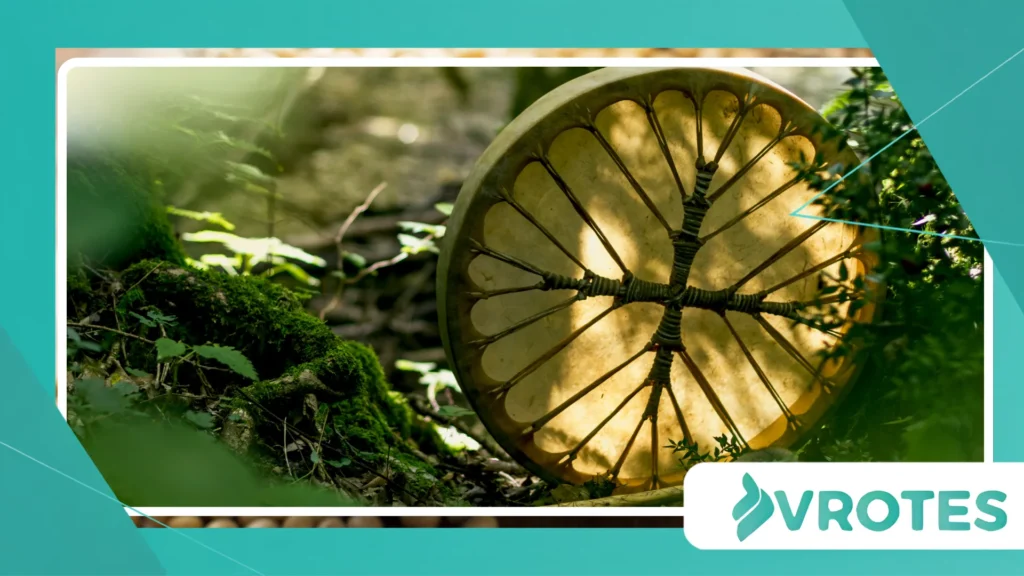
Frame drums remain the standard choice for rhythmic therapeutic work due to their lightweight design and low-frequency resonance.
Frame Drums (Native Style or Synthetic): Produce low, rich tones that vibrate deeply within the torso, helping dissolve abdominal and pelvic tension.
Djembe: Delivers sharp high tones and booming bass, ideal for discharging built-up frustration or sudden irritability.
Buffalo Drums: Feature large diameters that create sustained, deep acoustic waves perfect for passive listening during lie-down sessions.
What Are Common Myths About Shamanic Drumming?
Misconceptions often prevent women from exploring rhythmic therapy as a legitimate wellness tool. Clarifying these points ensures you approach the practice with confidence and clarity.
Myth 1: It Requires Musical Talent. Shamanic drumming centers entirely on consistency, intent, and repetition rather than musical performance or complex syncopation.
Myth 2: You Must Play an Actual Drum. Receptive listening—lying down while listening to continuous 4 Hz drumming tracks—induces identical theta entrainment in clinical settings.
Myth 3: It Is a Religious Ritual. Rhythmic entrainment operates on neurological and biological principles, making it universally accessible regardless of personal beliefs.
How Often Should You Practice for Optimal Relief?
Consistency yields far greater long-term physiological regulation than sporadic, lengthy sessions.
Incorporating a 15-minute session into your daily routine—preferably during late afternoon or early evening when cortisol naturally spikes—helps prevent night sweats and sleep disruption.
Clinical insights published through the National Institutes of Health, emphasize that regular somatic interventions help down-regulate sympathetic nervous system hyperactivity over time.
Combining drumming sessions with adequate hydration, magnesium supplementation, and moderate physical activity creates an ideal foundation for managing menopausal transitions smoothly.
Frequently Asked Questions
What if I experience dizziness during a session?
Dizziness usually signals rapid breathing or hyperventilation. Slow your respiratory pace, open your eyes, pause the drumming, and place your palms flat on the floor until grounded.
Can practicing shamanic drumming help with menopause insomnia?
Yes. Drumming before bed shifts your brain away from anxious beta waves into relaxing theta waves, paving the way for smooth transitions into deep delta sleep.
Is passive listening as effective as active playing?
Active playing offers tactile feedback and physical energy release, while passive listening requires less effort and works exceptionally well for acute fatigue or bedtime preparation.
How quickly will I notice a reduction in stress?
Most individuals notice an immediate drop in heart rate, muscle softening, and mental calm within 10 to 15 minutes of initiating a continuous 4 Hz rhythm.
++ When life strips you bare: 10 ways drumming can provide support for you through life transitions