
Lanches na Zona 2: Como otimizar sua saúde metabólica com sessões de exercícios de 10 minutos.
anúncio
O conceito de lanches da zona 2 Representa uma mudança fundamental na forma como abordamos a saúde metabólica, passando de sessões exaustivas de uma hora para microintervenções sustentáveis e de alto impacto.
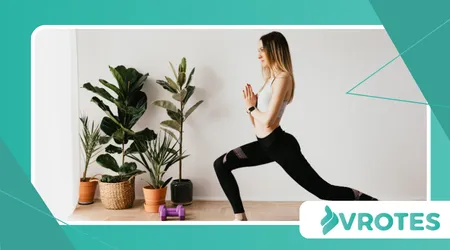
Resumo das principais conclusões
- Decifrando a fisiologia do trabalho aeróbico de baixa intensidade.
- A ciência por trás do "consumo de lanches durante o exercício" para o controle da glicose.
- Protocolos práticos de 10 minutos para o dia de trabalho moderno.
- Benefícios mitocondriais a longo prazo do movimento fragmentado.
- Dados comparativos sobre a eficiência metabólica.
O que é o Zone 2 Snacking e por que está em alta?
A ciência moderna do condicionamento físico superou a obsessão com o mero gasto calórico, voltando-se agora para a densidade mitocondrial. Este método específico combina exercícios de baixa intensidade e ritmo constante com o modelo de "lanches", cada vez mais popular.
Ao se envolver em lanches da zona 2, você busca um ponto ideal fisiológico onde o corpo depende da oxidação de gordura em vez de esgotar as reservas de glicogênio durante breves intervalos.
Essa estratégia combate o "problema do sedentarismo", que se tornou uma epidemia silenciosa. Ela garante que seu organismo não apenas entre em colapso durante o expediente, mas permaneça preparado para uma produção constante de energia.
Como 10 minutos de exercício físico impactam a saúde mitocondrial?
Breves períodos de movimento atuam como um mecanismo de sinalização vital para o PGC-1α, a proteína responsável pela biogênese mitocondrial. Essas sessões previnem a estagnação metabólica que inevitavelmente ocorre após horas de imobilidade física.
anúncio
Ao praticar esse método, você mantém um estado delicado em que a produção de lactato corresponde perfeitamente à sua eliminação. Essa eficiência fortalece o coração e melhora a sensibilidade à insulina sem o desgaste sistêmico de esforços de alta intensidade.
Neste caso, a consistência é sempre mais importante do que a intensidade. Sessões frequentes de 10 minutos ajudam a eliminar o excesso de glicose pós-prandial, atenuando os picos de insulina que causam inflamação crônica e disfunção metabólica a longo prazo.
Por que a flexibilidade metabólica é essencial para a longevidade?
A flexibilidade metabólica — a capacidade do corpo de alternar entre combustíveis sem esforço — é uma arte perdida para muitos. A maioria das pessoas continua a "queimar açúcar" devido ao estresse crônico ou à inatividade total, perdendo a capacidade de acessar as reservas de gordura.
Incorporar esses lanches ativos à sua rotina diária treina as células a priorizarem os ácidos graxos. Essa mudança é o antídoto para a "névoa mental" da tarde, que geralmente sinaliza uma queda de açúcar no sangue.
De acordo com pesquisas divulgadas pela Colégio Americano de Medicina Esportiva, Interromper o tempo sedentário reduz significativamente o risco de diabetes tipo 2 e diversas complicações cardiovasculares.
Quais atividades se qualificam como lanches eficazes da Zona 2?
A beleza deste protocolo reside na sua simplicidade. Você não precisa de uma matrícula na academia nem de uma troca de roupa para conseguir uma reinicialização metabólica perfeita de 10 minutos.
Caminhadas rápidas, ciclismo leve ou movimentos rítmicos com o próprio peso corporal são excelentes opções. O importante é encontrar um ritmo que permita manter uma conversa confortavelmente, sem ficar sem fôlego entre as frases.
++ Como o treinamento com o peso do corpo fortalece os músculos após os 50 anos
Pense nisso como uma "reinicialização funcional" para o seu organismo. Se você consegue cantarolar uma melodia, mas não consegue cantar um hino a plenos pulmões, provavelmente está na faixa ideal de frequência cardíaca aeróbica.

Benefícios comparativos: protocolos tradicionais versus protocolos de lanches
| Recurso | Sessão padrão (60 min) | Lanches em Movimento (6×10 min) |
| Regulação da glicose | Alto (Pós-exercício) | Superior (Estabilidade durante todo o dia) |
| Taxa de adesão | Moderado | Alto (Baixa barreira de entrada) |
| Oxidação de gordura | Sustentado | Pulsado (Ativação frequente) |
| Impacto do Cortisol | Baixo | Extremamente baixo |
| Objetivo principal | Base de resistência | Manutenção Metabólica |
Qual é o melhor momento para realizar esses combates?
Sincronizar seus movimentos com a alimentação oferece a vantagem fisiológica mais significativa. Uma caminhada de 10 minutos logo após comer permite que os músculos absorvam a glicose diretamente, reduzindo a sobrecarga no pâncreas.
Consumir esses lanches durante a queda de energia do meio da tarde proporciona um estímulo neurológico natural. Isso aumenta o fluxo sanguíneo para o córtex pré-frontal, o que geralmente contribui mais para a concentração do que outra xícara de café.
Leia mais: Por que os exercícios de caminhada ajudam no equilíbrio hormonal após os 45 anos?
Há algo perturbador em como temos ignorado o poder de uma caminhada após as refeições. Concentre esses esforços durante o dia para manter seu ritmo circadiano sincronizado e seus níveis de energia estáveis.
Quais são os resultados a longo prazo desta estratégia?
Ao longo de vários meses, esses pequenos investimentos se acumulam e resultam em uma transformação completa da saúde. É provável que você note uma frequência cardíaca em repouso mais baixa, um sono mais profundo e uma resiliência tranquila em sua energia diária.
Adotar esse hábito promove uma mentalidade em que o movimento é tratado como um nutriente vital, e não como uma obrigação. Essa mudança psicológica costuma servir como catalisador para mudanças de estilo de vida mais permanentes e sem esforço.
++ A química culinária por trás do sabor e da retenção de nutrientes.
Dados de estudos longitudinais sugerem que interromper o tempo sedentário é, na verdade, mais protetor para a longevidade do que um único treino matinal seguido de dez horas sentado.
Como calcular a sua faixa de temperatura ideal para a Zona 2?
Para maximizar a eficácia dos seus lanches, você precisa descobrir seu limite aeróbico. Embora a fórmula "180 menos a idade" seja um bom ponto de partida, os níveis de condicionamento físico individuais costumam variar.
A tecnologia vestível facilita o monitoramento dessas métricas. Monitore sua frequência cardíaca durante as sessões para garantir que você permaneça dentro da faixa de 60% a 70% do seu máximo.
Se você não possui um sensor, confie no "Teste da Fala". Se sua respiração ficar ofegante a ponto de você precisar interromper a fala, você entrou em um nível de intensidade mais alta.
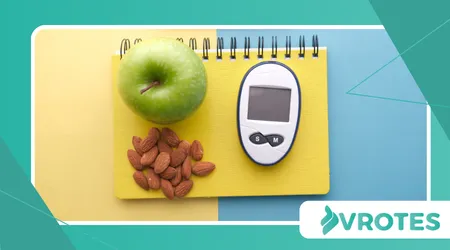
Pequenos passos rumo a grandes ganhos em saúde
Otimizar a saúde metabólica não exige uma mudança radical ou uma rotina exaustiva. Requer apenas a disciplina de se movimentar intencionalmente por dez minutos, algumas vezes ao longo de um dia agitado.
Ao adotar essa abordagem rítmica ao movimento, você estará protegendo suas mitocôndrias e construindo um futuro mais resiliente. Comece fazendo uma curta caminhada após a próxima refeição e observe a mudança em sua energia.
Para obter orientações mais detalhadas sobre como integrar a atividade física à sua rotina diária, visite o site. Recursos de exercícios da Clínica Mayo Para explorar estratégias de movimento e dicas de saúde com respaldo de especialistas.
Perguntas frequentes
Posso fazer isso mais de seis vezes por dia?
Sim, você pode realizar quantos treinos sua agenda permitir. No entanto, o objetivo principal é a consistência ao longo da semana, em vez de buscar um alto volume em um único dia.
Este método é melhor que o HIIT?
Eles servem a propósitos diferentes. Enquanto o HIIT desenvolve potência máxima e capacidade anaeróbica, este método foca na saúde mitocondrial e no metabolismo de gordura, sem o desgaste da recuperação exigido pelo treinamento de alta intensidade.
Preciso me aquecer antes de uma luta de 10 minutos?
Como a intensidade é propositalmente baixa, um aquecimento formal geralmente é desnecessário. Basta começar em um ritmo um pouco mais lento durante os primeiros dois minutos para permitir que seu fluxo sanguíneo se ajuste naturalmente.
Posso usar minhas roupas de trabalho durante esses lanches?
Com certeza. Como você não chega a transpirar o suficiente, pode realizar esses movimentos facilmente mesmo com roupa de escritório. Essa falta de atrito é justamente o que torna essa estratégia tão eficaz.
++ Os benefícios metabólicos do exercício lento e constante da Zona 2
++ Cardio na Zona 2: Mágica para Queimar Gordura ou Apenas uma Tendência Cíclica