
Como os alimentos saudáveis para o cérebro ajudam a memória à medida que envelhecemos.
anúncio
Incorporating targeted brain-healthy foods into your diet provides the essential nutrients needed to protect memory centers like the hippocampus over time.
Memory slips often start quietly. You walk into a room and forget why you entered, or a familiar name hovers just out of reach.
While occasional forgetfulness is a normal part of getting older, cognitive decline is not inevitable.
The daily food choices you make directly influence your brain’s structural integrity, inflammation levels, and neural communication networks.
Principais conclusões
- Nutritional Protection: Specific dietary patterns reduce neuroinflammation and oxidative stress, two primary drivers of age-related memory loss.
- Core Food Groups: Leafy greens, fatty fish, berries, nuts, and fermented foods provide the foundational building blocks for neurotransmitters and cellular repair.
- The Gut-Brain Axis: Microbiome health directly impacts cognitive function and mood regulation through the vagus nerve.
- Actionable Habits: Small, consistent changes to daily meals yield cumulative long-term benefits for brain resilience.
How Does Aging Affect the Human Brain?
Aging alters the brain on a cellular level. Over time, blood flow to the brain decreases, neurons shrink, and communication between cells slows down.
anúncio
Free radicals—unstable molecules generated by stress, poor diet, and environmental toxins—cause oxidative damage to brain cells.
At the same time, chronic low-grade inflammation damages neural pathways, making it harder to recall details or retain new information.
The hippocampus, a region vital for short-term memory and learning, remains particularly vulnerable to these processes.
Without intervention, these cellular changes gradually reduce cognitive reserve.
Nutrient-dense foods deliver antioxidants, healthy fats, and micronutrients that neutralize free radicals, suppress systemic inflammation, and promote neuroplasticity—the brain’s ability to adapt and form new neural connections.
What Are the Best Brain-Healthy Foods for Memory Retention?
Strategic dietary choices supply the brain with protective compounds that combat structural decay.
Focusing on nutrient density ensures your nervous system receives steady support throughout the day.
Dark Leafy Greens
Kale, spinach, swiss chard, and collard greens contain high concentrations of vitamin K, lutein, folate, and beta-carotene.
These plant compounds slow cognitive decline by preserving synaptic function. Consuming a daily serving of leafy greens helps shield delicate brain tissue from oxidative wear.
Fatty Fish and Marine Omega-3s
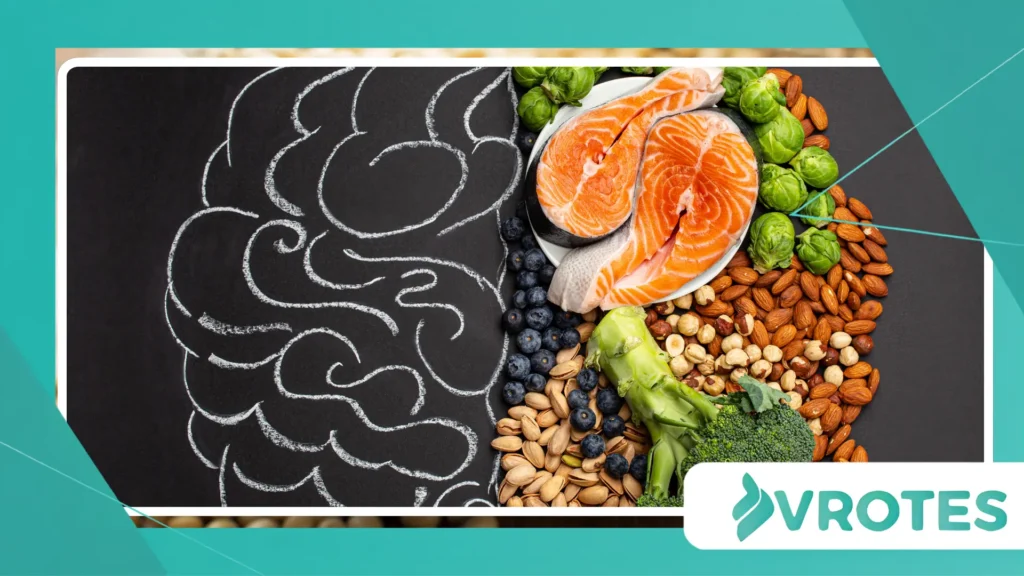
Wild salmon, sardines, mackerel, and herring serve as rich sources of docosahexaenoic acid (DHA) and eicosapentaenoic acid (EPA).
These omega-3 fatty acids form the structural foundation of neuronal cell membranes.
Higher omega-3 levels correlate with increased brain volume in the hippocampus and improved processing speed.
Dark Berries
Blueberries, blackberries, and strawberries packed with anthocyanins offer robust neuroprotective benefits.
These flavonoids cross the blood-brain barrier to accumulate in memory-related regions, strengthening cell-to-cell communication and mitigating inflammation.
++ Como os Bitters Digestivos Auxiliam na Digestão Saudável de Forma Natural
Regular consumption helps delay cognitive aging by up to two and a half years.
Nuts and Seeds
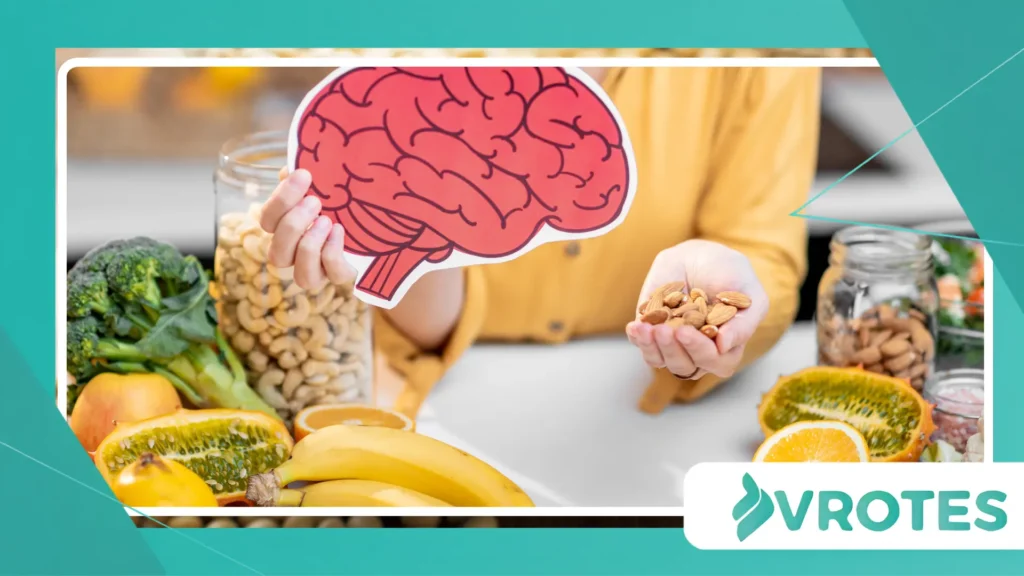
Walnuts, pumpkin seeds, and flaxseeds deliver alpha-linolenic acid (ALA), zinc, magnesium, and vitamin E. Vitamin E acts as a fat-soluble antioxidant that protects cell membranes from free radical attack.
Walnuts, in particular, resemble the human brain structurally and contain high concentrations of DHA-precursor fatty acids that support mental clarity.
Fermented Foods and Prebiotics
Yogurt, kefir, sauerkraut, and kimchi nurture the gut microbiome. A balanced microbiome produces essential short-chain fatty acids that regulate neuroinflammation and support neurotransmitter synthesis.
Emerging research from institutions like the Institutos Nacionais de Saúde highlights how gut-derived signals travel via the vagus nerve to directly influence memory formation and brain health.
Which Nutrients Actively Protect Your Neurons?
Understanding the precise functions of specific nutrients allows for better meal planning.
Leia mais: Combinar proteína e fibra para reduzir os lanches noturnos
The table below outlines key compounds found in brain-healthy foods, their biological mechanisms, and primary dietary sources.
| Nutriente | Primary Mechanism in the Brain | Top Food Sources |
| DHA & EPA (Omega-3s) | Maintains cell membrane fluidity and reduces neuroinflammation | Wild Salmon, Sardines, Anchovies |
| Antocianinas | Crosses blood-brain barrier to enhance neural signaling | Blueberries, Blackberries, Acai |
| Vitamin E | Prevents lipid peroxidation in neuronal cell membranes | Walnuts, Sunflower Seeds, Almonds |
| Lutein & Folate | Clears metabolic waste and prevents hippocampal atrophy | Spinach, Kale, Broccoli |
| Polyphenols | Improves cerebral blood flow and stimulates BDNF production | Dark Chocolate (70%+), Green Tea |
How Does the MIND Diet Optimize Cognitive Longevity?
The MIND diet combines principles from the Mediterranean and DASH diets, tailored specifically for neurological health.
Developed by researchers at Rush University, this eating pattern emphasizes plant-based foods while strictly limiting saturated fats and processed sugars.
Following the MIND diet protocol involves filling your plate with whole grains, vegetables, nuts, berries, beans, poultry, and olive oil.
Studies indicate that strict adherence to this framework lowers the risk of developing Alzheimer’s disease by up to 53%, while even moderate adherence reduces risk by roughly 35%.
Prioritizing extra virgin olive oil as your primary cooking fat provides oleocanthal, a natural compound that helps clear amyloid-beta plaques associated with memory loss.
Meanwhile, replacing refined carbohydrates with complex grains ensures a steady supply of glucose—the brain’s primary energy source—preventing sharp energy crashes that impair focus.
For detailed public health guidance on nutritional standards, review the latest updates published in the U.S. Dietary Guidelines for Americans.
Why Is the Gut-Brain Axis Critical for Memory?
Your gastrointestinal tract communicates continuously with your central nervous system.
Known as the gut-brain axis, this bi-directional pathway relies on millions of nerves, neurotransmitters, and immune signals.
Microbes in your digestive system produce roughly 90% of the body’s serotonin, along with significant amounts of gamma-aminobutyric acid (GABA) and dopamine.
Diets high in ultra-processed foods and refined sugars degrade the gut lining, causing low-grade systemic inflammation that leaks into the bloodstream.
++ Por que a hipervigilância esgota a energia emocional ao longo do tempo
This chronic inflammation breaches the blood-brain barrier, triggering microglial activation in the brain and disrupting memory consolidation.
Eating high-fiber brain-healthy foods feeds beneficial gut bacteria, prompting them to release short-chain fatty acids like butyrate.
Butyrate reinforces the integrity of both the gut barrier and the blood-brain barrier, maintaining optimal conditions for neural repair and long-term memory retention.
What Daily Habits Enhance the Benefits of Brain-Healthy Foods?
Diet provides the foundation, but lifestyle habits amplify how effectively your body absorbs and utilizes nutrients.
Combining target foods with key daily practices creates an environment where brain cells thrive.
Maintain Consistent Hydration: Dehydration lowers cognitive performance, reduces short-term memory efficiency, and impairs concentration. Aim for adequate daily water intake to keep cerebral circulation fluid.
Prioritize Deep Sleep: During slow-wave sleep, the glymphatic system clears metabolic waste products from brain tissue.
Nutrient rich diets support neurotransmitter balance needed for restorative sleep cycles.
Engage in Aerobic Exercise: Physical activity increases brain-derived neurotrophic factor (BDNF), a protein that encourages the growth of new neurons.
Exercise works synergistically with omega-3 fatty acids to enhance neuroplasticity.
Limit Saturated Fats and Added Sugars: Excess sugar intake causes insulin resistance in the brain, impairing memory processing centers.
Minimizing processed items protects fragile blood vessels in the brain from oxidative damage.
Practical Next Steps for Long-Term Memory Support
Protecting your cognitive health does not require an immediate, overwhelming lifestyle overhaul. Sustainable changes yield the best long-term results for your nervous system.
Start by adding one extra serving of dark leafy greens to your lunch every day. Swap processed afternoon snacks for a handful of raw walnuts or fresh blueberries.
Replace butter with extra virgin olive oil during dinner preparation, and aim to include wild fatty fish in your weekly meal schedule at least twice.
These small, deliberate adjustments build a powerful dietary buffer that keeps your mind sharp, clear, and resilient as the years progress.

Perguntas frequentes
Can eating brain-healthy foods reverse existing memory loss?
Nutrient-dense foods cannot fully reverse severe structural neurodegeneration caused by conditions like advanced dementia.
However, improving your diet significantly reduces ongoing neuroinflammation, protects remaining neurons, improves cerebral blood flow, and enhances cognitive function in individuals with mild memory concerns.
How quickly will I notice improvements in my memory after changing my diet?
Certain short-term benefits, such as stabilized energy levels and sharper immediate focus, often appear within two to three weeks of reducing processed sugars and increasing hydration.
Structural benefits—like improved hippocampal integrity and enhanced long-term memory recall—typically manifest after several months of consistent adherence to patterns like the MIND diet.
Are dietary supplements as effective as whole brain-healthy foods?
Whole foods remain superior to isolated supplements. Whole foods supply a synergistic matrix of vitamins, minerals, fiber, and phytochemicals that work together to maximize absorption and biological efficacy.
While targeted supplements like high-quality omega-3 oil can help bridge gaps, they should complement a nutrient-dense diet rather than replace it.