
Como a comunicação intestino-cérebro pode influenciar o bem-estar emocional
anúncio
Gut-brain communication may influence emotional wellbeing more than most people realize—just think about the “butterflies” you feel in your stomach before a big presentation or losing your appetite during a stressful week.
Those everyday sensations reflect a constant biological conversation running between your digestive tract and your central nervous system, offering a practical, science-backed lens for supporting both your mental outlook and your digestive health.
For decades, researchers treated emotional health and gastrointestinal function as separate worlds.
Today, findings from neuroscience, gastroenterology, and immunology reveal a two-way information network—known as the gut-brain axis—that helps shape mood, stress resilience, and cognitive clarity.
Principais conclusões
- Two-way signaling: Your brain and digestive tract send continuous messages back and forth through nerves, hormones, and immune pathways.
- A major chemical hub: Roughly 90% of the body’s serotonin—a key neurotransmitter involved in mood and digestion—is produced in the gastrointestinal tract.
- Microbes matter: Trillions of gut bacteria produce compounds like short-chain fatty acids that help regulate inflammation and neural signaling.
- Inflammation affects mood: Irritation in the gut lining can trigger immune signals that travel through the bloodstream and influence emotional balance.
- Daily habits support both systems: Fiber-rich foods, regular physical activity, quality sleep, and stress management reinforce a healthier gut-brain loop.
What Is the Gut-Brain Axis?
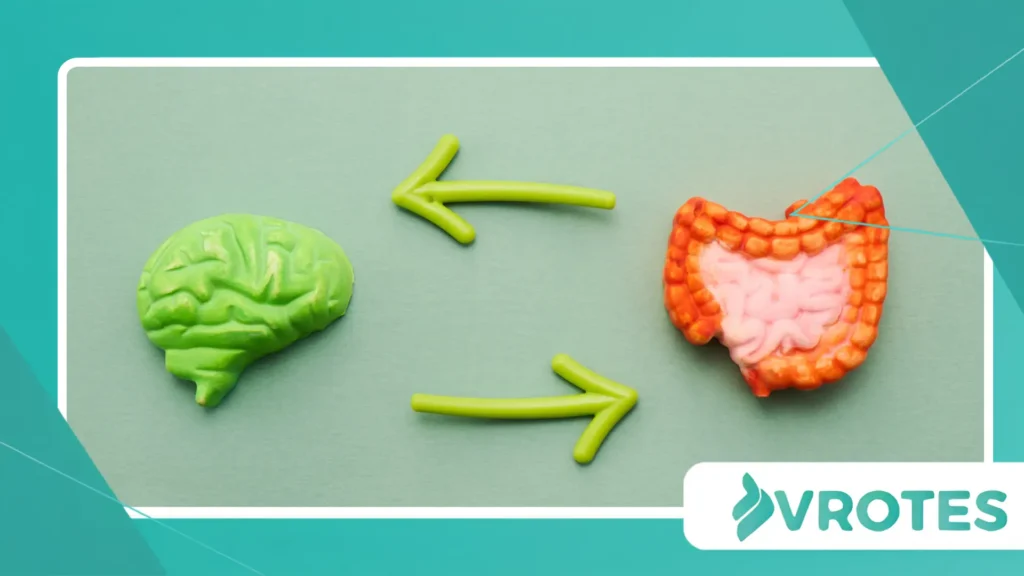
The gut-brain axis is the bidirectional communication network linking your central nervous system (your brain and spinal cord) with your enteric nervous system.
anúncio
Rather than acting as a one-way command center, the brain constantly listens to feedback coming up from the digestive tract.
Think of your digestive system as an active sensory organ. Just as your eyes and ears relay information about the outside world, your gut reports on nutrient intake, microbial activity, and local immune threats.
When this signaling runs smoothly, digestion feels effortless and stress responses settle efficiently.
When signaling gets disrupted—by chronic stress, illness, or dietary strain—both gastrointestinal comfort and emotional steadiness can suffer.
How Do the Gut and Brain Communicate?
Researchers have identified four primary channels through which the digestive system and the brain exchange information.
++ Como a saúde cerebral ao longo da vida muda em diferentes fases da vida
Each pathway operates at a different speed and plays a distinct role in emotional regulation.
| Communication Pathway | Mecanismo Primário | Potential Impact on Emotional Wellbeing |
| Nervo vago | Direct cranial nerve highway carrying rapid electrical signals between gut organs and the brainstem | Helps regulate the body’s stress response and promotes calm recovery after perceived threats |
| Neurotransmitters & Metabolites | Gut cells and microbes produce or modulate serotonin, GABA, dopamine precursors, and short-chain fatty acids | Supports mood stability, stress resilience, and healthy gut motility |
| Immune Signaling | Gut-associated immune cells release cytokines into the bloodstream when the intestinal lining is irritated | Chronic low-grade inflammation can alter brain signaling and contribute to low mood or irritability |
| Hormonal (HPA) Axis | Stress hormones such as cortisol alter gut permeability, motility, and microbial balance | Creates a feedback loop where psychological stress worsens digestive symptoms, which in turn heightens distress |
The Vagus Nerve: Your Body’s Information Superhighway
The vagus nerve is the longest cranial nerve in the body, running from the brainstem down through the chest and into the abdomen.
De acordo com Harvard Health Publishing, nerve connections like the vagus nerve act as a direct highway that sends and receives rapid messages between the brain and digestive organs.
Importantly, the vast majority of vagal nerve fibers carry signals from the gut to the brain rather than the other way around.
When beneficial gut microbes break down dietary fiber, they generate compounds that stimulate vagal nerve endings, sending calming feedback up to brain regions involved in emotional regulation.
Neurotransmitters and the Gut Microbiome
Your digestive tract houses trillions of bacteria, fungi, and other microorganisms collectively known as the gut microbiome.
Far from passive passengers, these microbes help synthesize vitamins and influence key chemical messengers.
Research indexed by the Centro Nacional de Informação sobre Biotecnologia (NCBI) notes that approximately 90% of the body’s serotonin is synthesized in the gastrointestinal tract.
While gut-derived serotonin does not cross the blood-brain barrier directly, it activates vagal nerve fibers and regulates intestinal movement, indirectly shaping central nervous system activity.
Specific beneficial bacteria, such as Lactobacillus e Bifidobactéria strains, also influence how the body processes tryptophan—an essential amino acid needed to build serotonin.
Gut Inflammation and Immune Messengers
Roughly 70% to 80% of the body’s immune cells reside in or around gut tissue, serving as a frontline defense against pathogens in food and water.
When the intestinal lining becomes irritated—whether from infection, chronic psychological stress, excess alcohol, or a diet heavy in ultra-processed foods—immune cells release inflammatory molecules into the bloodstream.
These chemical distress calls can cross or signal across the blood-brain barrier, temporarily shifting brain chemistry toward fatigue, sluggishness, and heightened irritability.
Leia mais: Como o efeito bumerangue emocional afeta os relacionamentos familiares
Scientists often compare this response to “sickness behavior”—the natural drop in energy and mood you feel when fighting off a cold.

What Does Current Science Actually Show—and Where Are the Limits?
Interest in the microbiome-gut-brain connection has exploded over the past decade, spawning everything from targeted probiotic supplements to specialized “mood diets.”
Keeping a grounded perspective helps separate promising science from marketing hype.
What evidence supports: Strong observational and preclinical evidence links diverse, fiber-rich dietary patterns with lower rates of depressive symptoms and better stress tolerance.
Clinical studies also show that psychological therapies—such as cognitive behavioral therapy and gut-directed hypnotherapy—can significantly ease functional digestive conditions like irritable bowel syndrome (IBS).
What remains uncertain: Scientists are still mapping exactly which individual bacterial strains produce reliable mental health benefits in humans.
A probiotic strain that reduces anxiety-like behavior in animal studies does not automatically translate into a standalone treatment for human anxiety or depression.
Because individual microbiomes vary as uniquely as fingerprints, no single supplement works universally.
++ Por que a medicina do estilo de vida está transformando a saúde preventiva?
Researchers view gut-focused habits as a valuable complement to—not a replacement for—established mental health care.
Practical Ways to Support Your Gut-Brain Connection
You do not need expensive tests or restrictive cleanses to nurture healthier communication between your digestive tract and your brain.
Consistent, everyday lifestyle habits strengthen both ends of the axis simultaneously.
Prioritize diverse plant fibers. Beneficial gut bacteria thrive on prebiotic fibers found in oats, beans, lentils, berries, leafy greens, garlic, and whole grains.
Aiming for a wide variety of plant foods each week encourages microbial diversity and steady short-chain fatty acids production.
Include fermented foods gradually. Plain yogurt with live active cultures, kefir, sauerkraut, kimchi, and miso introduce beneficial microorganisms naturally.
Start with small servings to let your digestive system adjust comfortably.Move your body regularly.
Moderate aerobic exercise—such as brisk walking, cycling, or swimming—supports healthy gut motility, lowers systemic inflammation, and promotes beneficial microbial balance.
Protect your sleep schedule. Sleep disruption elevates stress hormones and increases low-grade inflammation throughout the body.
Maintaining consistent bed and wake times helps stabilize both circadian rhythms and digestive function.
Practice daily nervous system downshifting. Slow diaphragmatic breathing, mindfulness meditation, or gentle yoga stimulates vagal tone and signals safety to the enteric nervous system, especially before or after meals.
Moderate alcohol and ultra-processed foods. Frequent intake of heavy alcohol, excess added sugars, and emulsifiers can irritate the intestinal barrier and crowd out helpful microbes.
When Should You Talk to a Healthcare Professional?
While lifestyle adjustments support general wellness, persistent physical or emotional symptoms deserve individualized medical evaluation.
Consult a primary care physician, gastroenterologist, or licensed mental health professional if you experience:
- Ongoing abdominal pain, bloating, unexplained weight loss, or significant changes in bowel habits
- Persistent sadness, anxiety, loss of interest in daily activities, or sleep disruption lasting more than two weeks
- Digestive side effects after starting new medications, such as antibiotics or acid-reducing drugs
A qualified provider can rule out underlying conditions like celiac disease, inflammatory bowel disease, or thyroid imbalances, and help build a coordinated care plan tailored to your health history.

Conclusão
The emerging science behind how gut-brain communication may influence emotional wellbeing underscores a simple truth: mental health does not exist in isolation from the rest of the body.
Through the vagus nerve, gut-derived neurotransmitters, and immune signaling, your digestive system continually shapes how you respond to everyday stress.
As a practical next step, choose one manageable habit this week—such as adding a fiber-rich vegetable to lunch or taking five slow breaths before eating—and observe how your energy, digestion, and mood respond over time.
Perguntas frequentes
Can improving gut health cure anxiety or depression?
No. While nurturing your gut microbiome can support overall mood stability and complement clinical care, dietary and lifestyle changes are not a standalone cure for diagnosed mental health conditions.
Always work with a licensed healthcare or mental health provider for persistent anxiety or depression.
How quickly can dietary changes affect the gut microbiome?
Research indicates that shifts in gut bacterial activity can begin within days of changing what you eat, though building lasting microbial diversity typically takes weeks to months of consistent habits.
Gradual changes in fiber intake also help prevent temporary gas or bloating.
Should I take a daily probiotic for emotional wellbeing?
Not necessarily. Most healthy adults can support their microbiome effectively through whole, fiber-rich, and fermented foods.
Because probiotic benefits depend on specific strains and individual health needs, speak with a doctor or registered dietitian before starting a targeted supplement.
Why does stress cause stomach pain or digestive upset?
When your brain perceives stress, it activates the fight-or-flight response, temporarily diverting blood flow away from digestion, altering gut muscle contractions, and increasing sensitivity in intestinal nerves.
Over time, chronic stress can also disrupt the balance of protective gut bacteria.
++ We Are What We Eat: How The Gut-Brain Connection Affects Mental Health