
How Corrective Exercise Fits Into Midlife Fitness Programs
anúncio
Incorporando corrective exercise into midlife fitness programs offers a strategic, science-backed way to restore joint mobility, rebuild functional strength, and maintain long-term physical independence without risking injury.
By the time most adults reach their 40s and 50s, years of desk work, old sports injuries, and subtle muscle imbalances begin to surface as joint stiffness or chronic aches.
Aging changes how the body responds to training, recovery, and daily physical stress.
Midlife workouts should prioritize movement quality just as much as calorie burn or muscle hypertrophy.
Corrective exercise bridges the gap between rehabilitation and traditional strength training, helping adults over 40 move efficiently and stay pain-free.
anúncio
Principais conclusões
- Address the Root Cause: Corrective exercise identifies and fixes underlying movement dysfunctions rather than just masking joint pain.
- Optimize Recovery: Aging connective tissues require targeted mobility and stability work to handle heavier strength loads safely.
- Seamless Integration: You do not need to replace your entire routine; small modifications during warm-ups yield significant long-term results.
- Longevity Focus: Restoring optimal biomechanics preserves cartilage, reduces spinal compression, and improves daily functional energy.
What Is Corrective Exercise and Why Does It Matter After Age 40?
Corrective exercise is a systematic approach to identifying and addressing biomechanical compensations, muscle imbalances, and postural alignment issues.
Unlike high-intensity interval training or general hypertrophy programs, this discipline uses targeted movement assessments, self-myofascial release, dynamic stretching, and neuromuscular activation exercises to optimize how your body moves.
Hormonal shifts, decreased collagen synthesis, and decades of cumulative mechanical stress naturally alter tissue tolerance during midlife.
According to health and aging data from the Centros de Controle e Prevenção de Doenças, chronic joint conditions and functional limitations increase significantly among middle-aged adults, making movement efficiency critical for maintaining independence.
Ignoring minor biomechanical faults at this stage accelerates joint wear and tear.
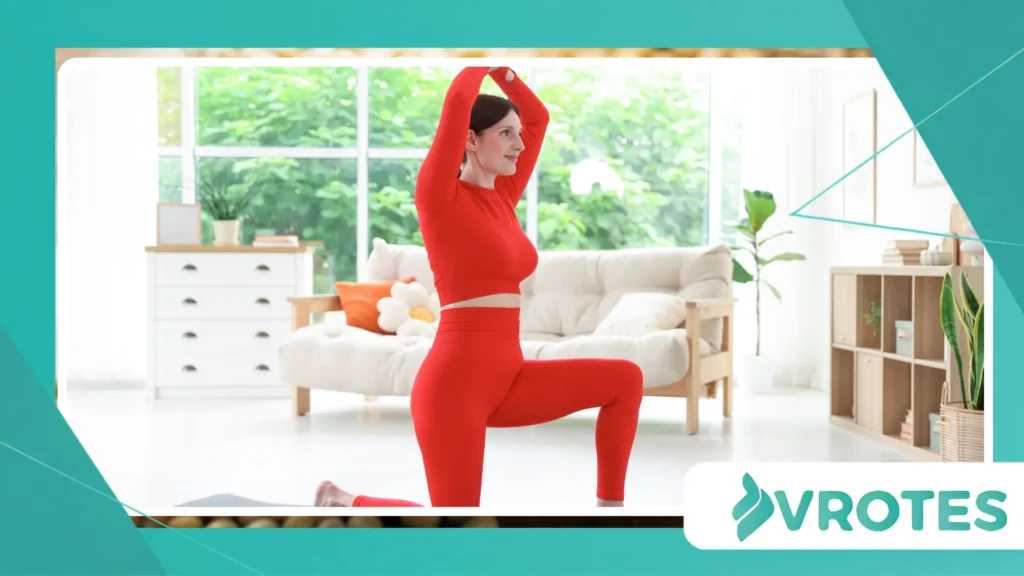
When a kinetic chain link fails—such as tight hip flexors pulling the pelvis forward into an anterior pelvic tilt—the lumbar spine compensates, leading to lower back strain during basic movements like deadlifts or running.
Corrective protocols restore balance across muscle groups, allowing adults to train harder and recover faster.
How Does Biomechanical Wear Change the Midlife Body?
Tendons and ligaments lose elasticity over time, while articular cartilage thins under repeated stress.
Sitting for extended periods at a computer creates predictable posture patterns: forward head posture, rounded shoulders, inhibited gluteal muscles, and shortened hip flexors.
Loading these structural imbalances with heavy weights or high-impact cardio magnifies strain on soft tissues.
Instead of building strength, unaddressed compensations lead to tendonitis, bursitis, and spinal disc irritation.
Corrective exercise neutralizes these destructive patterns by retraining neuromuscular firing sequences.
++ Como os esportes recreativos podem manter as mulheres ativas após a menopausa
Teaching glutes to engage properly before lifting heavy objects off the floor immediately relieves stress from the lower back and hamstrings.
How Do You Integrate Corrective Movement Into an Existing Workout?
Successful midlife program design does not require abandoning traditional strength training or cardiovascular conditioning.
Incorporating targeted corrective strategies into existing workflows enhances performance without extending session times unnecessarily.
1. The Inhibitory Phase (Release)
Tight, overactive muscles suppress their opposing muscle groups through a process called reciprocal inhibition. Foam rolling or targeted pressure releases hypertonic muscle tissue, restoring baseline mobility.
- Target Areas: Calves, thoracic spine, lats, and hip flexors.
- Execution: Hold steady pressure on tender spots for 30 to 60 seconds before exercise.
2. The Lengthening Phase (Stretch)
Restoring mechanical length to shortened connective tissue increases joint range of motion. Dynamic and static stretches performed after inhibitory work prepare joints for loading.
- Target Areas: Hamstrings, pectorals, and ankle dorsiflexors.
- Execution: Perform controlled 20-second holds or slow dynamic passes through pain-free ranges.
Leia mais: Plano Diário Equilibrado: Refeições para Estabilizar a Energia e o Humor
3. The Activation Phase (Isolate)
Underactive or weak muscles require targeted stimulation to re-establish proper communication with the central nervous system.
- Target Areas: Gluteus medius, lower traps, deep neck flexors, and rotator cuff stabilizers.
- Execution: Complete 10 to 15 deliberate repetitions focusing on the mind-muscle connection.
4. The Integration Phase (Synthesize)
Multi-joint functional movements teach the body to coordinate newly activated muscles into real-world activity patterns.
- Target Areas: Goblet squats, single-leg hinges, wall slides, and farmer carries.
- Execution: Move with strict tempo control, prioritizing posture over heavy load.
What Are the Most Common Midlife Movement Dysfunctions?
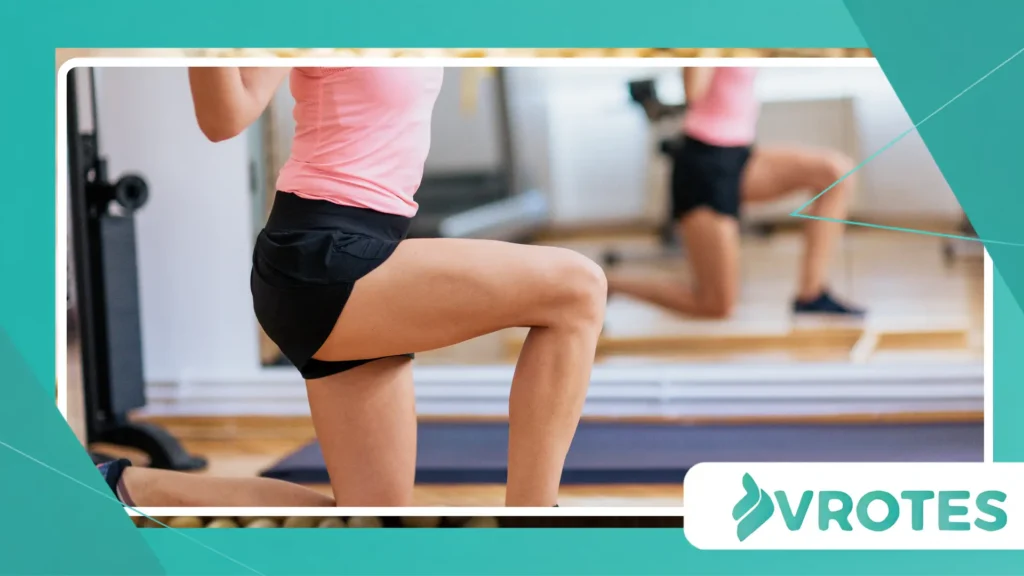
Middle-aged exercisers frequently present specific compensation patterns caused by lifestyle habits and training history. Identifying these dysfunctions allows for precise, effective programming.
| Movement Dysfunction | Underlying Cause | Primary Corrective Focus | Key Exercise Example |
| Upper Crossed Syndrome | Extended computer work, rounded shoulders, weak mid-back | Lengthen chest; activate lower traps and rhomboids | Scapular Wall Slides |
| Lower Crossed Syndrome | Excessive sitting, tight hip flexors, weak glutes | Stretch hip flexors; activate gluteus maximus | Single-Leg Glute Bridges |
| Ankle Immobility | Past sprains, stiff calf complex, stiff Achilles tendon | Mobilize ankle joint; stretch gastrocnemius | Banded Ankle Dorsiflexion |
| Lumbar Instability | Weak deep core, dominant lumbar erectors | Enhance intra-abdominal pressure and core bracing | Dead Bugs & Bird-Dogs |
Why Is Joint Mobility Essential for Strength Building After 40?
Lifting weights remains one of the most effective tools to combat age-related sarcopenia and bone density loss. Pushing heavy loads through restricted joints, however, creates structural micro-trauma.
Full joint articulation distributes physical stress evenly across cartilage surfaces.
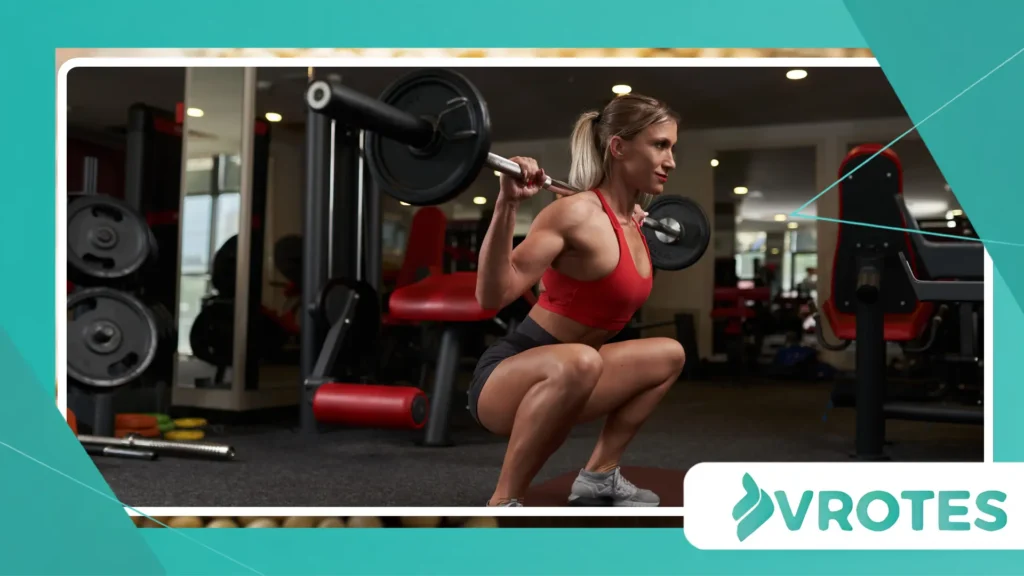
Achieving complete extension at the hips during a squat allows the glutes to absorb forces that would otherwise strain the lumbar spine.
Pesquisas publicadas pela Institutos Nacionais de Saúde confirms that preserving functional mobility directly improves balance, reduces fall risks, and maintains muscular engagement in older adults.
Corrective protocols expand pain-free movement windows, allowing individuals to train safely at higher intensities.
Which Corrective Exercises Benefit Midlife Lifters Most?
Integrating specific high-yield exercises into daily routines addresses common movement restrictions effectively.
++ Como os alimentos que favorecem a produção de GLP-1 auxiliam na regulação do apetite
Thoracic Spine Extension and Rotation
Thoracic spine stiffness restricts overhead arm movement, forcing the lumbar spine to arch excessively during shoulder presses.
Start in a quadruped position on hands and knees, place one hand behind your head, rotate your elbow downward toward your opposite wrist, and then reverse direction toward the ceiling.
Perform 2 sets of 8 to 10 repetitions per side before upper-body workouts.
Banded Monster Walks
Inhibited gluteus medius muscles contribute to knee valgus (inward collapse) during squats and walking.
Place a resistance band around your ankles or just above your knees, maintain a shallow squat position, and take deliberate side steps while keeping tension on the band. Complete 2 to 3 sets of 12 to 15 steps in each direction.
The Dead Bug Core Activation
Traditional sit-ups flex the lumbar spine unnecessarily. The dead bug teaches deep core stability while moving limbs independently.
Lie on your back with arms reaching toward the ceiling and knees bent at 90 degrees.
Press your lower back firmly into the floor while extending the opposing arm and leg outward slowly. Complete 3 sets of 6 to 8 slow, controlled repetitions per side.
How Does Corrective Work Accelerate Recovery and Reduce Aches?
Pain alters central nervous system motor control. When a joint hurts, the brain changes muscle activation patterns to shield the injured area, creating secondary compensations elsewhere in the body.
Corrective exercise breaks this pain-compensation cycle. Delivering precise movement signals to underperforming muscles reduces unnecessary muscle guarding around stressed joints.
Lowering systemic inflammation through efficient biomechanics improves sleep quality and reduces recovery times between workouts.
Consistent execution transforms how the body handles daily physical stress.
Perguntas frequentes
Can corrective exercise replace traditional cardio and strength training?
No. Corrective exercise complements traditional fitness routines rather than replacing them.
Think of it as structural maintenance that enables you to perform cardio and strength workouts safely at higher capacities.
How often should middle-aged adults perform corrective exercises?
Daily practice yields the best results. Spending 10 to 15 minutes as part of a daily morning routine or pre-workout warm-up provides sufficient stimulus to retrain the neuromuscular system without causing fatigue.
How long does it take to see results from corrective exercise?
Neuromuscular improvements often occur within two to three weeks, leading to better movement feel and reduced joint stiffness.
Structural adaptations in soft tissues and lasting posture changes typically take eight to twelve weeks of consistent application.
Do I need specialized equipment to do corrective exercises?
Most corrective routines require minimal gear. Resistance bands, foam rollers, massage balls, and open floor space are usually enough to complete a comprehensive home or gym protocol.
Integrating corrective exercise into a midlife fitness program protects joints, optimizes muscle activation, and prolongs training capability.
Dedicating time to fixing subtle compensations ensures that staying active over 40 remains safe, effective, and pain-free.
++ Why You Need to Add Strength Training to Your Midlife Exercise Routine
++ Corrective Exercises: Restoring Balance and Preventing Injury