
Entendendo os antinutrientes e quando eles são importantes
Understanding Anti-Nutrients is essential for anyone navigating the complex world of modern nutrition, as these naturally occurring compounds influence how our bodies absorb vital minerals and vitamins daily.
anúncio
Resumo
- The Plant’s Strategy: Why nature builds “defense chemicals.”
- Common Suspects: A deep dive into lectins, oxalates, and phytates.
- Clinical Nuance: Identifying the specific moments when reduction is non-negotiable.
- Culinary Alchemy: How traditional cooking methods unlock hidden nutrition.
- The Data: Real-world concentrations in your favorite healthy foods.
- Final Thoughts: Moving beyond the fear-mongering toward informed balance.
What Are Anti-Nutrients and Why Do Plants Have Them?
Plants aren’t passive bystanders in the food chain; they are biological survivors. Without the ability to run or fight, they’ve spent millions of years perfecting chemical arsenals to discourage overconsumption.
These compounds—often labeled “anti-nutrients”—are essentially the plant’s security system, designed to make seeds and leaves less palatable or even indigestible to predators.
While the label sounds menacing, it’s a bit of a misnomer. These substances are biological tools, not toxins designed to harm humans.
In the gut, they can certainly latch onto minerals like calcium or iron, creating a “lock and key” effect that prevents absorption.
anúncio
Yet, modern research from the Escola de Saúde Pública Harvard TH Chan reveals a fascinating irony: many of these “defensive” compounds function as potent antioxidants once they enter our system.
How Do Different Anti-Nutrients Affect Your Body?
Phytates, found in the hulls of whole grains, act like mineral magnets. During digestion, they bind to zinc and iron, forming insoluble complexes that the small intestine simply can’t process. It’s not that the nutrients aren’t there; it’s that they’ve been chemically “caged.”
Oxalates present a different challenge. Abundant in leafy giants like spinach, these molecules can crystallize when they meet calcium.
For most, this is a non-event, but for those with a genetic predisposition, these crystals are the primary architects of painful kidney stones.
There is something unsettling about how a “superfood” salad can become a liability under the right biological conditions.
Lectins have recently become the villains of popular diet books. These sticky proteins have a peculiar affinity for the gut lining.
If consumed in excess from poorly prepared sources, they can interfere with cellular communication, leading to that all-too-familiar digestive heaviness that people often misattribute to simple bloating.
When Does This Actually Matter for Your Health?
For the person eating a varied, colorful diet, the presence of these compounds is usually a statistical footnote.
The human body is remarkably resilient, capable of filtering and processing a vast array of plant chemicals without skipping a beat. The alarmism found in many wellness circles often misses this point of basic human physiology.
However, clinical context changes the narrative entirely. If you are struggling with iron-deficiency anemia, the phytates in your morning oatmeal aren’t just “compounds”—they are active barriers to your recovery.
In this specific scenario, timing and food pairing become medical necessities rather than dietary preferences.
++ Jejum intermitente para mulheres versus homens: principais diferenças
Similarly, those managing chronic kidney disease must view oxalates through a therapeutic lens. Here, the nuance of nutrition becomes clear: a food isn’t “good” or “bad” in a vacuum; its value is dictated by the internal environment of the person eating it.
Which Foods Contain the Highest Concentrations?
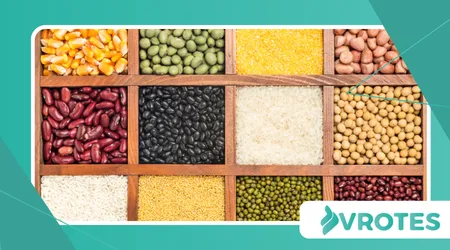
Legumes are perhaps the most misunderstood category in this conversation. Beans and lentils are packed with lectins, yet they remain the backbone of the world’s longest-living populations.
This suggests that the “problem” isn’t the presence of the compound, but how we respect the ingredient during preparation.
Nuts and seeds offer a similar paradox. We prize them for their healthy fats, yet they carry significant phytate loads.
Leia mais: Por que o tamanho das porções varia ao redor do mundo?
Almonds, while nutrient-dense, require a bit of mindful handling if you’re relying on them as a primary mineral source. It’s about recognizing that every plant comes with its own “user manual.”
Nutrient and Anti-Nutrient Density Table (Per 100g)
| Fonte de alimento | Primary Anti-Nutrient | Potential Mineral Impact | Common Mitigation Method |
| Espinafre | Oxalates | Cálcio | Boiling / Steaming |
| Whole Wheat | Phytates | Iron, Zinc | Fermentation (Sourdough) |
| Kidney Beans | Lectins | General Digestion | Pressure Cooking |
| Soybeans | Protease Inhibitors | Proteína | Fermentation (Tempeh) |
| Amêndoas | Phytic Acid | Magnésio | Soaking / Roasting |
Why Cooking and Preparation Methods Change Everything: Understanding Anti-Nutrients
Ancient culinary traditions were practicing advanced chemistry long before we had labs. Our ancestors didn’t need to know the molecular weight of phytic acid to realize that soaking grains made them more sustaining.
They used fermentation, sprouting, and prolonged heat to “pre-digest” their food, effectively disarming the plant’s defenses.
Soaking dried beans for twelve hours is a lost art that deserves a comeback. This simple ritual leaches out the majority of lectins, transforming a potentially irritating legume into a gentle, protein-rich meal. It’s a small investment of time that pays massive dividends in digestive comfort.
When it comes to high-oxalate greens, heat is the ultimate neutralizer. Boiling spinach can slash its oxalate content by up to 80 percent, provided you don’t use the cooking water for a sauce afterward.
++ Tônicos fermentados tradicionais para a saúde intestinal
It’s a vivid example of how a simple kitchen technique can fundamentally alter the nutritional profile of a meal.
How to Balance a High-Plant Diet Without Deficiencies
Diversity acts as a natural hedge against any single anti-nutrient. By rotating your staples—shifting from wheat to rice, or spinach to kale—you prevent any one compound from overwhelming your system. It’s the dietary equivalent of not putting all your eggs in one basket.
The “Vitamin C hack” is another brilliant piece of biological synergy. Adding a squeeze of lemon to your iron-rich greens can largely negate the inhibitory effects of phytates.
The acid changes the mineral’s structure, making it much harder for the anti-nutrient to grab hold.
Be wary of the “tea and coffee window” as well. The tannins that provide that pleasant bitterness are also quite effective at blocking iron absorption.
Simply moving your caffeine fix to an hour away from your main meals can significantly improve your mineral status over time.
For deeper insights into clinical mineral absorption, visit the National Institutes of Health (NIH) Office of Dietary Supplements for evidence-based Fact Sheets on individual nutrients.
The Verdict: Strategic Consumption over Avoidance
Stripping anti-nutrients from your diet would mean losing the very fibers and phytochemicals that ward off chronic disease.
These compounds are often found in the most nutrient-dense foods we have. The goal isn’t to purge them, but to manage them with a bit of culinary intelligence.
Rather than fearing the bean or the leaf, we should focus on the process. Soak, sprout, ferment, and cook. These habits allow us to enjoy the vast benefits of a plant-forward life while ensuring our bodies actually receive the fuel we think we’re giving them.
The most effective approach to health is rarely found in elimination, but in the nuance of preparation. Respect the plant’s defense mechanisms, and your body will have a much easier time reaping the rewards of its nutrients.
Reframing the Conversation
Ultimately, the presence of these substances reminds us that nutrition is an interactive process. We are not just “eating” calories; we are engaging with a complex biological system.
Moving past the simplistic labels of “good” and “bad” allows for a much more sophisticated relationship with our food.
By applying traditional wisdom to modern nutritional science, we can build a diet that is both resilient and deeply nourishing, supporting long-term vitality without the need for restrictive fads.
For those looking to explore the biochemical interactions of plant proteins further, the Linus Pauling Institute at Oregon State University offers comprehensive micronutrient research and safety guidelines.
FAQ: Perguntas Frequentes
1. Can these compounds be entirely eliminated?
Not entirely, but that isn’t the goal. Reducing them through proper cooking is enough to ensure they don’t interfere with your health, while still allowing you to benefit from the fiber they provide.
2. Who should be most concerned about lectins?
Most people handle them fine. However, those with specific autoimmune triggers or highly sensitive digestive tracts often find relief by being more meticulous with how they pressure-cook or ferment their legumes.
3. Does raw kale have the same oxalate risk as spinach?
Actually, kale is significantly lower in oxalates than spinach or chard. If you’re prone to kidney stones, kale is a much safer choice for your daily raw smoothie.
4. Is sourdough really better than standard bread?
Yes, from a mineral perspective. The long fermentation process allows wild yeast and bacteria to break down phytates that standard quick-rise commercial bread leaves behind.
5. How long should I soak nuts before eating them?
A window of 8 to 12 hours is generally the “sweet spot” for most nuts. This initiates the sprouting process, which begins to dismantle the phytic acid stored in the nut’s outer layer.
++ Are Anti-Nutrients Harmful?
++ Anti-Nutrients: understanding their role