
เหตุใดเราจึงประเมินคุณค่าทางโภชนาการในอวัยวะสัตว์ต่ำเกินไป
โฆษณา
เดอะ โภชนาการในอวัยวะสัตว์ มีปริมาณสารอาหารรองที่จำเป็นต่อร่างกายสูงอย่างเหลือเชื่อ ซึ่งเนื้อสัตว์ที่ผลิตในปัจจุบันไม่สามารถเทียบได้.
แม้จะมักถูกมองข้าม แต่แหล่งชีวภาพอันทรงพลังเหล่านี้ให้เรตินอล วิตามินบี 12 และโคเอนไซม์คิว10 ที่ร่างกายสามารถดูดซึมได้ในรูปแบบที่มีประสิทธิภาพสูงสุด.
การฟื้นฟูภูมิปัญญาดั้งเดิมนี้ไม่ใช่แค่กระแสการทำอาหาร แต่เป็นขั้นตอนสำคัญในการบรรลุสุขภาพเมตาบอลิซึมที่ดีที่สุดและความยืดหยุ่นของร่างกายในปัจจุบัน.
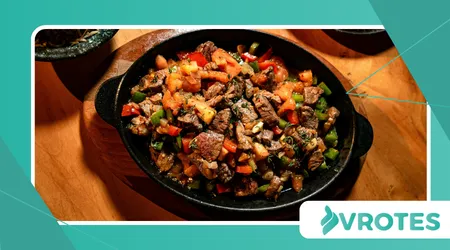
สรุปผลการสำรวจ
- ช่องว่างความหนาแน่นทางโภชนาการระหว่างเนื้อส่วนกล้ามเนื้อและเครื่องใน.
- บทบาททางชีวภาพของวิตามินเอ บี12 และโคเอนไซม์คิว10 ในอวัยวะต่างๆ.
- การแก้ไขความเข้าใจผิดทั่วไปเกี่ยวกับสารพิษและความปลอดภัยในปี 2026.
- การนำเครื่องในสัตว์มาประยุกต์ใช้ในชีวิตประจำวันเพื่อสุขภาพที่ดีอย่างเป็นรูปธรรม.
เหตุใดคุณค่าทางโภชนาการในเครื่องในสัตว์จึงเหนือกว่าเนื้อสัตว์ส่วนกล้ามเนื้อ?
ธรรมเนียมการทำอาหารแบบดั้งเดิมให้ความสำคัญกับเครื่องในสัตว์เป็นอย่างมาก เพราะบรรพบุรุษของเรารู้โดยสัญชาตญาณว่ามันมีคุณสมบัติในการบำรุงร่างกาย ซึ่งเป็นภูมิปัญญาที่วิทยาศาสตร์โภชนาการสมัยใหม่ได้ยืนยันด้วยข้อมูลทางชีวเคมีเชิงประจักษ์แล้ว.
แม้ว่าสเต็กริบอายจะมีโปรตีนสูง แต่ก็ขาดสารอาหารรองเฉพาะทางที่พบในตับ หัวใจ หรือไต ซึ่งทำหน้าที่เป็นแหล่งพลังงานสำคัญในร่างกายของสัตว์.
โฆษณา
ผลการศึกษาด้านเมตาบอลิซึมล่าสุดบ่งชี้ว่า โภชนาการในอวัยวะสัตว์ ประกอบด้วยสารประกอบเชิงซ้อนของเปปไทด์และเอนไซม์ที่มีฤทธิ์เสริมกัน ซึ่งแทบจะไม่มีอยู่ในเนื้อสัตว์ปีกหรือเนื้อวัวทั่วไป.
ความแตกต่างนี้ทำให้เกิด "จุดบอด" ทางโภชนาการสำหรับผู้ที่พึ่งพาเนื้อสัตว์เพียงอย่างเดียว ซึ่งอาจนำไปสู่ภาวะขาดวิตามินที่ละลายในไขมันบางชนิดในระดับที่ไม่แสดงอาการ.
สารอาหารเฉพาะใดบ้างที่ทำให้เครื่องในสัตว์เป็น “สุดยอดอาหาร”?
นักโภชนาการมักยกให้ตับเป็นวิตามินรวมจากธรรมชาติ เพราะมีวิตามินเอในรูปพร้อมใช้ (เรตินอล) ซึ่งร่างกายดูดซึมได้ดีกว่าแคโรทีนอยด์ที่พบในผักชนิดต่างๆ อย่างมาก.
นอกจากนี้ หัวใจยังเป็นแหล่งอาหารหลักของโคเอนไซม์คิว10 ซึ่งเป็นสารประกอบสำคัญต่อสุขภาพของไมโทคอนเดรียและการผลิตพลังงานในเซลล์อย่างสม่ำเสมอ.
นอกเหนือจากวิตามินพื้นฐานแล้ว... โภชนาการในอวัยวะสัตว์ ประกอบด้วยธาตุเหล็กฮีมและทองแดงในปริมาณสูง ซึ่งเป็นแร่ธาตุที่ทำงานร่วมกันเพื่อสนับสนุนการลำเลียงออกซิเจนในเลือดและการทำงานของระบบภูมิคุ้มกันให้มีสุขภาพดี.
ธาตุเหล่านี้ถูกผูกไว้ในรูปแบบอินทรีย์ที่ระบบย่อยอาหารของมนุษย์ดูดซึมได้มีประสิทธิภาพมากกว่าผลิตภัณฑ์เสริมอาหารแร่ธาตุสังเคราะห์ที่พบในร้านขายยามาก.
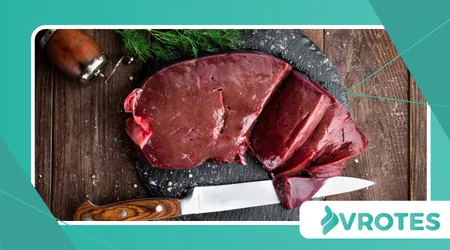
ข้อมูลโภชนาการ: เครื่องในเทียบกับเนื้อส่วนอื่นๆ (ต่อ 100 กรัม)
| สารอาหาร | ตับวัว | หัวใจวัว | เนื้อสันในวัว |
| วิตามินเอ (IU) | 16,898 | 0 | 0 |
| วิตามินบี 12 (ไมโครกรัม) | 59.3 | 8.5 | 1.5 |
| ธาตุเหล็ก (มิลลิกรัม) | 4.9 | 4.3 | 1.8 |
| โคเอนไซม์คิว10 (มิลลิกรัม) | 3.9 | 11.3 | 3.1 |
การดูดซึมสารอาหารจากเครื่องในสัตว์เมื่อเทียบกับแหล่งอาหารจากพืชเป็นอย่างไร?
ผู้บริโภคจำนวนมากเชื่อว่าผักโขมหรือแครอทสามารถตอบสนองความต้องการวิตามินเอของตนได้ แต่กระบวนการเปลี่ยนเบต้าแคโรทีนให้เป็นเรตินอลที่ออกฤทธิ์นั้นมีประสิทธิภาพต่ำมากในมนุษย์ส่วนใหญ่.
ในทางตรงกันข้าม โภชนาการในอวัยวะสัตว์ ส่งมอบสารอาหารในรูปแบบที่ออกฤทธิ์ได้ทันที โดยไม่ต้องผ่านกระบวนการเปลี่ยนแปลงทางเมตาบอลิซึมที่ซับซ้อน ซึ่งมักล้มเหลวเนื่องจากปัจจัยทางพันธุกรรม.
ตามข้อมูลของ โรงเรียนสาธารณสุขฮาร์วาร์ด ทีเอช ชาน, การทำงานร่วมกันของสารอาหารมีความสำคัญต่อสุขภาพที่ดีในระยะยาว และเครื่องในสัตว์ให้สารอาหารเหล่านี้ในอัตราส่วนที่สมบูรณ์แบบและสอดคล้องกับวิวัฒนาการ.
การดูดซึมที่ดีเยี่ยมนี้ทำให้ร่างกายสามารถนำแร่ธาตุที่รับประทานเข้าไปไปใช้ประโยชน์ได้อย่างแท้จริง แทนที่จะถูกขับออกทางไตและกลายเป็นของเสีย.
ความเสี่ยงที่แท้จริงของสารพิษในอวัยวะสัตว์มีอะไรบ้าง?
ความเข้าใจผิดที่แพร่หลายคือ ตับเป็นแหล่งสะสมสารพิษ ทำให้เป็นอันตรายหากนำไปบริโภค แต่ความเข้าใจผิดนี้สะท้อนให้เห็นถึงความเข้าใจที่ผิดอย่างพื้นฐานเกี่ยวกับวิธีการทำงานทางชีววิทยาของอวัยวะนี้.
ตับทำหน้าที่เป็นโรงงานแปรรูปทางเคมีที่ทำให้สารพิษเป็นกลางเพื่อขับออกไป ไม่ได้ทำหน้าที่เป็นแหล่งเก็บของเสียจากกระบวนการเผาผลาญหรือโลหะหนัก.
การเลือกแหล่งที่มาคุณภาพสูง เช่น วัวที่เลี้ยงด้วยหญ้าและขุนด้วยหญ้า จะช่วยให้มั่นใจได้ว่า... โภชนาการในอวัยวะสัตว์ ยังคงสะอาดและปราศจากฮอร์โมนเร่งการเจริญเติบโตสังเคราะห์หรือสารตกค้างจากยาปฏิชีวนะที่ใช้ในการป้องกันโรค.
++ บทบาทที่มองไม่เห็นของไอโอดีน นอกเหนือจากสุขภาพต่อมไทรอยด์
ในปี 2026 ใบรับรองการทำฟาร์มแบบฟื้นฟูจะช่วยให้ผู้บริโภคมีความโปร่งใสที่จำเป็นในการตรวจสอบว่าอวัยวะที่พวกเขาบริโภคนั้นมาจากสัตว์ที่เลี้ยงในทุ่งหญ้าธรรมชาติที่บริสุทธิ์.
เหตุใดอาหารสมัยใหม่จึงมองข้ามสารอาหารสำคัญเหล่านี้?
การเปลี่ยนแปลงทางวัฒนธรรมที่มุ่งเน้นการบริโภคเนื้อสัตว์ไร้กระดูกและไร้หนังแบบ "สะอาด" ส่งผลให้ความรู้ด้านการปรุงอาหารจากเครื่องในลดลง และทำให้เกิดช่องว่างด้านรสชาติสำหรับคนรุ่นใหม่.
ความนิยมในเนื้อสัตว์ที่มีกล้ามเนื้อสม่ำเสมอตามหลักสุนทรียศาสตร์นี้ ได้ทำให้โภชนาการของชาวตะวันตกขาดส่วนประกอบสำคัญที่เคยช่วยเสริมสร้างสุขภาพที่ดีของระบบต่อมไร้ท่อและระบบประสาทของมนุษย์มาโดยตลอด.
การทวงคืน โภชนาการในอวัยวะสัตว์ จำเป็นต้องเปลี่ยนมุมมอง โดยมองส่วนเหล่านี้ไม่ใช่เป็น "เศษเหลือ" แต่เป็นส่วนที่มีค่าที่สุดของสัตว์ในแง่ของการใช้งาน.
อ่านเพิ่มเติม: เคมีเชิงอาหารที่อยู่เบื้องหลังการรักษารสชาติและสารอาหาร
การผสมตับหรือหัวใจในปริมาณเล็กน้อยลงในเนื้อวัวบดเป็นกลยุทธ์ที่มีประสิทธิภาพในการกลบกลิ่นรสที่ไม่พึงประสงค์ ในขณะเดียวกันก็ให้ประโยชน์ต่อสุขภาพอย่างมากแก่ครอบครัว.
คุณจะนำอวัยวะต่างๆ เข้ามาเป็นส่วนหนึ่งของกิจวัตรประจำวันได้อย่างปลอดภัยได้อย่างไร? คุณค่าทางโภชนาการในอวัยวะสัตว์
สำหรับผู้เริ่มต้น วิธีการกินแบบ "ใช้ทุกส่วนของสัตว์" ไม่จำเป็นต้องกินเครื่องในดิบในปริมาณมาก แต่การรับประทานผลิตภัณฑ์เสริมอาหารจากเครื่องในแห้งหรือไส้กรอกบดจะเป็นทางเลือกที่เข้าถึงได้ง่ายกว่ามาก.
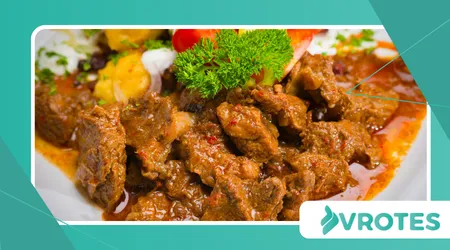
เริ่มต้นด้วยการแนะนำหัวใจวัว ซึ่งมีเนื้อสัมผัสและรสชาติคล้ายกับสเต็กมาก ทำให้เป็นตัวเลือกที่ยอดเยี่ยมสำหรับผู้ที่มีลิ้นรับรสไว.
ความสม่ำเสมอสำคัญกว่าปริมาณเมื่อเข้าถึงข้อมูล โภชนาการในอวัยวะสัตว์, เพราะแม้การรับประทานเพียงครั้งเดียวต่อสัปดาห์ก็สามารถช่วยเพิ่มปริมาณสารอาหารรองในร่างกายโดยรวมได้อย่างมีนัยสำคัญ โดยไม่ทำให้ร่างกายได้รับสารอาหารมากเกินไป.
++ เหตุใดเครื่องใช้ไม้และหม้อดินจึงส่งผลต่อพลังงานในอาหาร
การบริโภคอวัยวะบางส่วนมากเกินไป โดยเฉพาะตับ อาจทำให้ร่างกายได้รับวิตามินเอมากเกินไป ดังนั้นการบริโภคอย่างพอเหมาะจึงเป็นวิธีที่ดีที่สุดในการรักษาสมดุลการเผาผลาญในร่างกายให้เหมาะสม.
บทสรุป
หลักฐานมีมากมายเหลือเกิน: โภชนาการในอวัยวะสัตว์ มีปริมาณสารอาหารหนาแน่นในระดับที่ "ซูเปอร์ฟู้ด" สมัยใหม่หาได้ยาก และเป็นรากฐานสำคัญสำหรับร่างกายมนุษย์ที่แข็งแรงและมีประสิทธิภาพสูง.
ด้วยการเอาชนะอคติทางวัฒนธรรมและให้ความสำคัญกับความเป็นจริงทางชีววิทยา เราสามารถฟื้นฟูคุณค่าทางโภชนาการของอาหารที่เราบริโภคและสนับสนุนสุขภาพในระยะยาวผ่านแหล่งอาหารแบบดั้งเดิมจากธรรมชาติได้.
สำหรับข้อมูลเพิ่มเติมเกี่ยวกับผลกระทบต่อสิ่งแวดล้อมจากการใช้สัตว์ทั้งตัว โปรดศึกษาเพิ่มเติม พันธมิตรเกษตรกรรมฟื้นฟู เพื่อดูว่าการรับประทานอาหารแบบใช้ทุกส่วนของสัตว์ช่วยสนับสนุนความยั่งยืนของโลกได้อย่างไร.
คำถามที่พบบ่อย
การกินตับมากเกินไปจะทำให้เป็นอันตรายได้หรือไม่?
ใช่แล้ว เนื่องจากตับมีวิตามินเอและทองแดงสูงมาก การบริโภคในปริมาณมากทุกวันอาจทำให้เกิดพิษได้ ดังนั้นโดยทั่วไปจึงแนะนำให้บริโภคสองครั้งต่อสัปดาห์.
การปรุงอาหารทำลายสารอาหารในอวัยวะหรือไม่?
แม้ว่าวิตามินบีบางชนิดที่ไวต่อความร้อนอาจลดลงเล็กน้อย แต่แร่ธาตุและวิตามินที่ละลายในไขมันส่วนใหญ่ยังคงมีเสถียรภาพ ทำให้เครื่องในสัตว์ที่ปรุงสุกแล้วยังคงอุดมไปด้วยสารอาหารที่จำเป็นอย่างเหลือเชื่อ.
เนื้อหัวใจมีประโยชน์ต่อสุขภาพเท่ากับเนื้อตับหรือไม่?
หัวใจมีโคเอนไซม์คิว10 และกรดอะมิโนที่ช่วยสร้างคอลลาเจนในปริมาณสูงเป็นพิเศษ จึงดีต่อสุขภาพหัวใจและหลอดเลือด รวมถึงข้อต่อ ในขณะที่ตับเป็นแหล่งวิตามินที่ดีเยี่ยมสำหรับบำรุงร่างกายโดยรวม.
ผลิตภัณฑ์เสริมอาหารจากเครื่องในสัตว์มีประสิทธิภาพเทียบเท่าเนื้อสดหรือไม่?
ผลิตภัณฑ์เสริมอาหารเครื่องในคุณภาพสูงที่ผ่านกระบวนการแช่แข็งแบบแห้ง จะคงคุณค่าทางโภชนาการส่วนใหญ่ของเนื้อสดไว้ และเป็นทางเลือกที่สะดวกสำหรับผู้ที่ไม่สามารถทนต่อรสชาติหรือเนื้อสัมผัสของเนื้อสดได้.
ฉันจะหาเครื่องในคุณภาพสูงได้จากที่ไหน?
ตลาดเกษตรกรท้องถิ่นและร้านขายเนื้อเฉพาะทางที่เน้นปศุสัตว์ที่เลี้ยงในทุ่งหญ้าและกินหญ้าเป็นอาหารหลัก เป็นแหล่งที่ดีที่สุดในการรับประกันความบริสุทธิ์และคุณค่าทางโภชนาการของอวัยวะที่คุณซื้อ.
++ เครื่องในสัตว์มีประโยชน์ต่อสุขภาพหรือไม่?
++ เหตุใดเราจึงเลิกกินเครื่องในสัตว์ สิ่งที่เราพลาดไป และจะเริ่มต้นใหม่ได้อย่างไร