
Paano Nagsisilbing Emosyonal na Medisina ang Tradisyonal na Pagkukuwento
patalastas
Matagal bago pa man nailarawan ng modernong sikolohiya ang utak ng tao, gumamit na ang mga sinaunang kultura ng mga pasalitang salaysay upang pagalingin ang trauma ng komunidad.
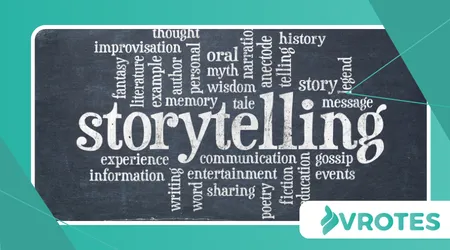
Sa kasalukuyan, kinukumpirma ng klinikal na pananaliksik na Ang tradisyonal na pagkukuwento ay nagsisilbing gamot sa emosyon sa pamamagitan ng pagpapababa ng cortisol at pagpapaunlad ng malalalim na koneksyon sa pagitan ng mga tao.
Talaan ng mga Nilalaman
- Ang Neurobiology ng Ibinahaging Salaysay
- Bakit Nagsisilbing Emosyonal na Gamot ang Tradisyonal na Pagkukuwento
- Paano Bumubuo ng mga Sikolohikal na Angkla ang mga Mitolohiyang Pangkultura
- Paghahambing ng Sinaunang Lore at Modernong Therapy
- Pagpapatupad ng Narrative Medicine sa Pang-araw-araw na Buhay
- Mga Madalas Itanong (FAQ)
Ano ang Neurobiology ng Ibinahaging Naratibo?
Kapag nakikinig tayo sa isang nakakahimok na tagapagsalita, ang ating mga brain wave ay nagsisimulang gayahin ang sa kanila. Tinatawag ng mga siyentipiko ang phenomenon na ito na neural coupling ng speaker-listener, isang proseso na pisikal na nagbubuklod sa mga indibidwal sa pamamagitan ng mga ibinahaging karanasan sa pandinig.
Ang malalim na cognitive synchronization na ito ay naglalabas ng oxytocin, ang hormone na responsable para sa empatiya at social bonding.
Ang mga komunidad na nagpapanatili ng mga tradisyong pasalita ay palaging nagpapakita ng mas mataas na antas ng pagkakaisa ng lipunan at kolektibong katatagan.
Ang mayayamang istruktura ng naratibo ay sabay na nagpapasigla sa amygdala at frontal cortex. Ang dalawahang pag-activate na ito ay nagbibigay-daan sa mga indibidwal na ligtas na iproseso ang kumplikadong emosyonal na trauma, isinasalin ang abstract na sakit sa nakabalangkas at mapapamahalaang mga konseptong berbal.
Bakit Nagsisilbing Emosyonal na Gamot ang Tradisyonal na Pagkukuwento
Sa ating mabilis na digital na mundo, ang pag-iisa ay naging isang modernong epidemya. Mabuti na lang, Ang tradisyonal na pagkukuwento ay nagsisilbing gamot sa emosyon sa pamamagitan ng muling pagtatatag ng mahahalagang espasyong pangkomunidad na kinakailangan para sa tunay na sikolohikal na pagpapanumbalik.
Ang mga pasalitang kasaysayan ay nagbibigay ng walang-kupas na balangkas para sa pag-unawa sa personal na pagdurusa. Sa pamamagitan ng pakikinig kung paano hinarap ng mga ninuno ang kalungkutan, digmaan, o kakulangan, naipapakita ng mga tagapakinig ang kanilang kasalukuyang mga pakikibaka sa loob ng isang mas malawak at mas makabuluhang makasaysayang pagpapatuloy.
"" Ang pagkukuwento ang pinakamatandang anyo ng edukasyon at pangangalagang sikolohikal na kilala ng sangkatauhan."Ang estruktural na pagpapatuloy na ito ang siyang nag-aangkla sa isipan ng tao sa mga panahon ng matinding emosyonal na pagbabago. Sa huli, ang pagbabahagi ng salita ay nagbabago sa pribado at naghihiwalay na sakit tungo sa ibinahaging at napatunayang mga karanasang pangkomunidad.
++ Bakit Nakakaapekto sa Enerhiya ng Pagkain ang mga Kagamitang Kahoy at mga Palayok na Luwad
Paano Bumubuo ng mga Sikolohikal na Angkla ang mga Mitolohiyang Pangkultura
Ang bawat sinaunang kultura ay gumagamit ng mga partikular na archetype upang gabayan ang mga indibidwal sa mga pangunahing transisyon sa buhay.
Ang mga paulit-ulit na uri ng karakter na ito—tulad ng manloloko, matalinong matanda, o nag-aatubiling bayani—ay nag-aalok ng malinaw na mga plano para sa pag-navigate sa mga krisis sa pagkakakilanlan, pagbabago sa karera, at matinding personal na kawalan.
Sa pamamagitan ng pagsasabuhay ng mga tipikal na paglalakbay, natututo tayong tingnan ang ating mga hamon bilang mga kinakailangang pagsubok. Binabago ng pagbabagong ito sa pananaw ang ating pangunahing pagproseso ng kognitibo, na binabago ang mga kahinaan tungo sa mga pagkakataon para sa malalim na espirituwal na paglago.
Ayon sa malawakang pananaliksik na inilathala ng Mga Pambansang Institusyon ng Kalusugan, ang pakikibahagi sa mga nakabalangkas na kasanayan sa pagsasalaysay ay makabuluhang nakakabawas sa mga pisyolohikal na marker ng talamak na stress at pagkabalisa.
Aling mga Elemento ang Nagpapataas ng Oral Lore kaysa sa Screen Time?
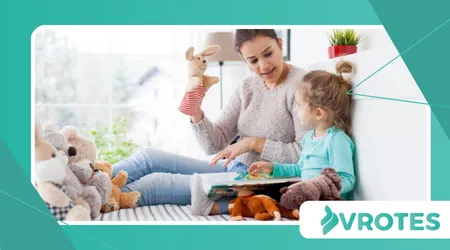
Kadalasang iniiwan ng digital media ang manonood na parang pasibo, pagod, at walang koneksyon sa emosyon. Sa kabaligtaran, ang pagbabahagi ng salita ay nangangailangan ng aktibong imahinasyon, na nangangailangan ng mga tagapakinig na sama-samang lumikha ng biswal na tanawin sa loob ng kanilang sariling isipan.
Ang aktibong pakikilahok na kognitibo ay nagtataguyod ng pagiging mapagmasid, na matatag na nagbabatayan sa indibidwal sa kasalukuyang sandali.
Magbasa pa: Ang Papel ng Hydrotherapy sa Pag-reset ng Nervous System
Lumilikha ito ng isang sagrado at mapagnilay-nilay na espasyo kung saan natural na nawawalan ng nakakagambalang kapangyarihan ang mga nababahalang kaisipan sa ating hindi malay.
| Bahagi ng Pagpapagaling | Tradisyon ng Pagkukuwento sa Pasalita | Modernong Digital Media |
| Estado ng Alon ng Utak | Alpha (Relaks, Maasikaso) | Mataas na Beta (Stress, Alerto) |
| Tugon ng Hormonal | Oxytocin at Dopamine Spike | Cortisol at Adrenaline |
| Epekto sa Kognitibo | Malalim na Pagsasama ng Istruktura | Pagkapira-piraso sa Antas ng Ibabaw |
| Resulta ng Lipunan | Koneksyon sa Pakikipag-ugnayan | Paghihiwalay at Paghahambing |
Paano Pinagagaling ng Narrative Medicine ang Collective Trauma?
Ang trauma sa pagitan ng mga henerasyon ay kadalasang nag-iiwan ng malalalim at di-masambit na mga peklat sa buong angkan ng pamilya.
Hindi direktang tinutugunan ng mga tradisyonal na kwento ang mga nakatagong sugat na ito, nilalampasan ang malay na sikolohikal na depensa na karaniwang humaharang sa tradisyonal na talk therapy.
Ang mga metapora ay nagpapahintulot sa mga sensitibong komunidad na talakayin ang masasakit na katotohanan sa kasaysayan nang hindi nagdudulot ng muling trauma.
Sa pamamagitan ng ligtas na simbolikong wika, maaaring hayagang kilalanin ng mga grupo ang mga makasaysayang kawalang-katarungan at simulan ang kolektibong proseso ng pagpapatawad.
++ Kagalingang Emosyonal at ang Nakatagong Halaga ng Pagbibigay-kasiyahan sa Tao
Kapag nagtitipon ang isang komunidad upang ipahayag ang kanilang katotohanan, ang kolektibong kapaligiran ay lubhang nagbabago. Tinitiyak ng sinasadyang pagsasagawang ito na ang karunungan ng mga ninuno ay umaabot sa malalalim na sulok ng emosyon ng tao.
Kailan Tayo Dapat Magsanay ng Narrative Medicine?
Ang pagsasama ng oral sharing sa iyong lingguhang gawain ay hindi nangangailangan ng propesyonal na pagsasanay sa teatro. Ang mga simpleng kasanayan, tulad ng pagbabahagi ng mga kasaysayan ng pamilya sa hapag-kainan, ay epektibong nagpapasimula ng mga malalim na benepisyong neurolohikal.
Ang takipsilim at mga oras ng gabi ay mainam sa kasaysayan para sa malalim na emosyonal na gawaing ito. Habang humihina ang panlabas na mundo, ang ating mga isipan ay nagiging natatanging tumatanggap sa metaporikal na karunungan at malalim na somatikong pagpapahinga.
Ang patuloy na dedikasyon sa gawaing ito ay nagtatatag ng pangmatagalang katatagan ng isip. Sa paglipas ng panahon, natutuklasan ng mga pamilya na ang mga sandaling ito ay nagpoprotekta sa mga nakababatang henerasyon mula sa modernong pagkabalisa.
Ano ang mga Pangmatagalang Benepisyo ng mga Kwento ng mga Ninuno?
Habang tumatanda ang mga indibidwal, ang pagpapanatili ng matibay na pagkakakilanlan ay nagiging lalong mahalaga. Ang mga alamat ng mga ninuno ay nagbibigay sa mga nakatatanda ng malalim na kahulugan ng layunin, na nagpapatunay sa kanilang mga karanasan sa buhay bilang mga tagapag-alaga ng kultura.
Para sa mga kabataan, ang mga kuwentong ito ay nagtuturo ng mahahalagang balangkas moral at emosyonal na bokabularyo. Ang mga batang lumalaking nakikinig sa mga salaysay ng pamilya ay nagpapakita ng mas mataas na pagpapahalaga sa sarili at mas malakas na kasanayan sa pagkontrol ng emosyon sa panahon ng krisis.
Sa pamamagitan ng pag-aayos ng agwat sa pagitan ng mga henerasyon, napapanatili ng kulturang pasalita ang kalusugang sikolohikal ng buong komunidad.
Tinitiyak nito na ang isip ng tao ay nananatiling konektado sa mga ugat nito sa bawat natatanging yugto ng pag-unlad ng tao.

Konklusyon
Ang pagbabalik sa mga tradisyong pasalita ay nag-aalok ng isang mabisang panlunas sa ating kasalukuyang hiwalay na pamumuhay at pinangungunahan ng screen.
Sa pamamagitan ng pagyakap sa mga ibinahaging naratibo, binubuksan natin ang isang nasubok na ng panahon at napatunayang biyolohikal na landas tungo sa holistic na kalusugang pangkaisipan at malalim na ugnayan ng komunidad.
Habang patuloy na pinapatunayan ng modernong agham ang mga sinaunang kasanayang ito, ang pagsasama ng sining ng pagsasalaysay sa pangunahing kagalingan ay nagiging mahalaga.
Galugarin ang mas maraming balangkas ng holistic health na nakabatay sa ebidensya sa pamamagitan ng pagbisita sa Klinika ng Mayo upang palalimin ang iyong paglalakbay sa kalusugan.
Mga Madalas Itanong
Ano ang pangunahing pagkakaiba ng pagbabasa ng libro at pasalitang pagkukuwento?
Ang pasalitang pagkukuwento ay lubos na nakasalalay sa pakikipag-ugnayan sa mata, pagbabago ng boses, at pisikal na presensya sa totoong oras. Ang mga natatanging salik na ito ay nagpapalitaw ng neural coupling ng nagsasalita at nakikinig, na lumilikha ng isang ibinahaging emosyonal na ugong na hindi kayang gayahin ng tahimik na pagbabasa.
Makikinabang ba ang mga introvert na indibidwal sa mga kasanayan sa pasalitang pagsasalaysay?
Oo naman. Ang mga introvert na indibidwal ay kadalasang nakakahanap ng malalim na kapanatagan sa pakikinig sa nakabalangkas at makabuluhang mga salaysay. Ang pagsasanay na ito ay nagbibigay-daan sa kanila na makaranas ng malalim na koneksyon sa lipunan at emosyonal na pagproseso nang walang presyon ng patuloy na pakikipag-ugnayan sa salita.
Paano kinukumpleto ng narrative medicine ang mga tradisyonal na modelo ng psychotherapy?
Pinahuhusay ng narrative medicine ang tradisyonal na therapy sa pamamagitan ng pagbibigay ng mga nagpapahayag at metaporikal na kagamitan upang maproseso ang mga kumplikadong trauma. Tinutulungan nito ang mga pasyente na maipahayag nang malinaw ang abstraktong emosyonal na sakit na kadalasang hindi kayang makuha nang wasto ng karaniwang klinikal na wika.
Bakit napakabisang tumutugon ng mga bata sa paulit-ulit na tradisyonal na mga kuwento?
Ang pag-uulit ay nagbibigay sa mga bata ng nakakaaliw na pakiramdam ng pagiging mahuhulaan at kaligtasan. Ang istrukturang seguridad na ito ay nagbibigay-daan sa kanila na galugarin ang mga kumplikadong emosyonal na tema, tulad ng takot o pagkawala, sa loob ng isang kontroladong kapaligiran.
Ilang beses sa isang linggo dapat magsanay ang isang pamilya sa pagkukuwento?
Ang pagsasanay sa pagbabahagi ng salita nang dalawa hanggang tatlong beses lamang sa isang linggo ay maaaring magdulot ng kapansin-pansing mga benepisyo sa emosyon. Ang pagiging pare-pareho ay mas mahalaga kaysa sa tagal, kaya naman ang maikli at makabuluhang mga sesyon sa oras ng pagtulog ay lubos na mabisa para sa pangmatagalang pagsasama.
++ Paano Nagsisilbing Emosyonal na Medisina ang Tradisyonal na Pagkukuwento